
Today in News History
On July 1, several notable moments in the history of News stand out. In 1770, Lexell's Comet is seen closer to the Earth than any other comet in recorded history, approaching to a distance of 0.0146 astronomical units (2,180,000 km; 1,360,000 mi). In 1819, Johann Georg Tralles discovers the Great Comet of 1819, (C/1819 N1). It is the first comet analyzed using polarimetry, by François Arago. In 1925, Erik Satie, French pianist and composer (born 1866) passed away. In 1931, Wiley Post and Harold Gatty become the first people to circumnavigate the globe in a single-engined monoplane aircraft. In 1942, Julia Higgins, English chemist and academic was born. In 1951, Terrence Mann, American actor, singer and dancer was born. In 1983, Buckminster Fuller, American architect, designed the Montreal Biosphère (born 1895) passed away. In 1995, Ian Parkin, English guitarist (Be-Bop Deluxe) (born 1950) passed away. In 1997, Space Shuttle program: Space Shuttle Columbia is launched on STS-94, a re-flight of the prematurely-ended STS-83 mission with the same crew. In 1999, Forrest Mars Sr., American businessman, creator of M&M's and the Mars chocolate bar (born 1904) passed away. Together, these milestones provide historical context for today's news news and ongoing narratives.
These 17 Stunning Photos of the Strawberry Moon Show Earth's Natural Satellite in All Its Glory
/https://tf-cmsv2-smithsonianmag-media.s3.amazonaws.com/filer_public/d4/03/d403b20b-2ec2-4e68-9faf-9272fc983b0d/gettyimages-2283948934.jpg)
The first full moon of the summer delivered dazzling visuals from across the globe. Its low position in the sky from the perspective of the Northern Hemisphere gave it a golden hue
Narrative Intelligence Brief
This article was published by Smithsonian Magazine, a source frequently categorized with a center bias based in United States of America. Our narrative intelligence engine continuously monitors coverage from this outlet to track framing, bias, and rhetorical patterns. Our initial algorithmic scan of this specific piece did not flag high-confidence rhetorical techniques, suggesting a generally straightforward reporting style or neutral framing. By understanding the editorial perspective of Smithsonian Magazine, readers can better contextualize the information presented and compare it across our broader media matrix to find the real narrative.
More from Smithsonian Magazine
June 30, 2026
See These Ancient Etruscan Frescoes That Italy Bought for Millions and Put on Public Display in Rome
June 30, 2026
Rembrandt Began a Biblical Painting. Another Artist Finished It 'Rather Crudely.' Now, Restorations Have Revealed the Long-Lost Original
June 30, 2026
Sold for Just £5,588, This Amber Pendant Turned Out to Be a Rare Tudor-Era Portrait of Elizabeth I. Now, It's Going on Auction for £100,000
June 30, 2026
As the Ocean Warms, a 'Cold Blob' in the Atlantic Has Puzzled Scientists. It Might Be a Warning Sign About a Key Current System
June 30, 2026
From a Sea Turtle Release to an Outhouse Race, These Ten Fourth of July Traditions Celebrate America Like No Other
Analysis Methodology
This narrative analysis was generated using the CoDataLab Global Intelligence Engine. Our proprietary AI scans thousands of cross-border sources to identify sentiment patterns, framing techniques, and potential media bias. While AI provides the data-driven foundation, our objective is to empower readers with additional context beyond the standard headline.The content displayed above is a structured summary designed for rapid information processing. For the full original report, please visit the source outlet.More Coverage
Discussion
"die"
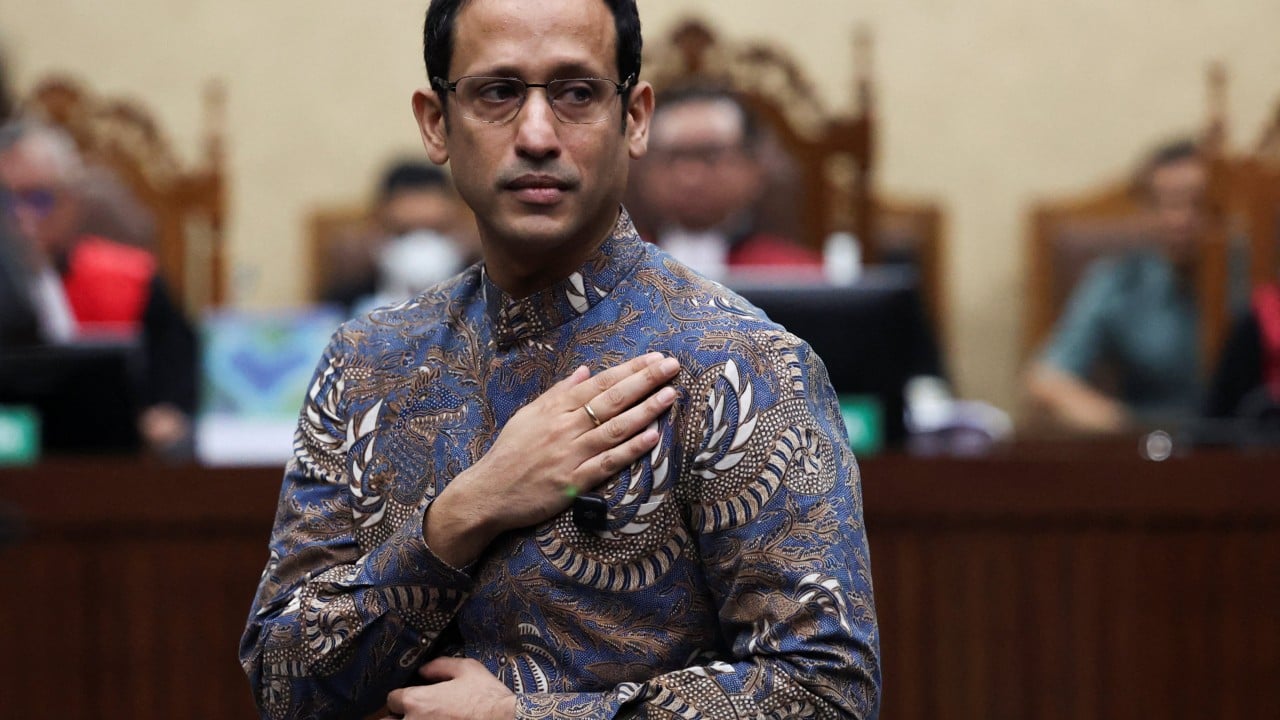
Does Gojek co-founder’s guilty verdict test Indonesia’s investor climate?
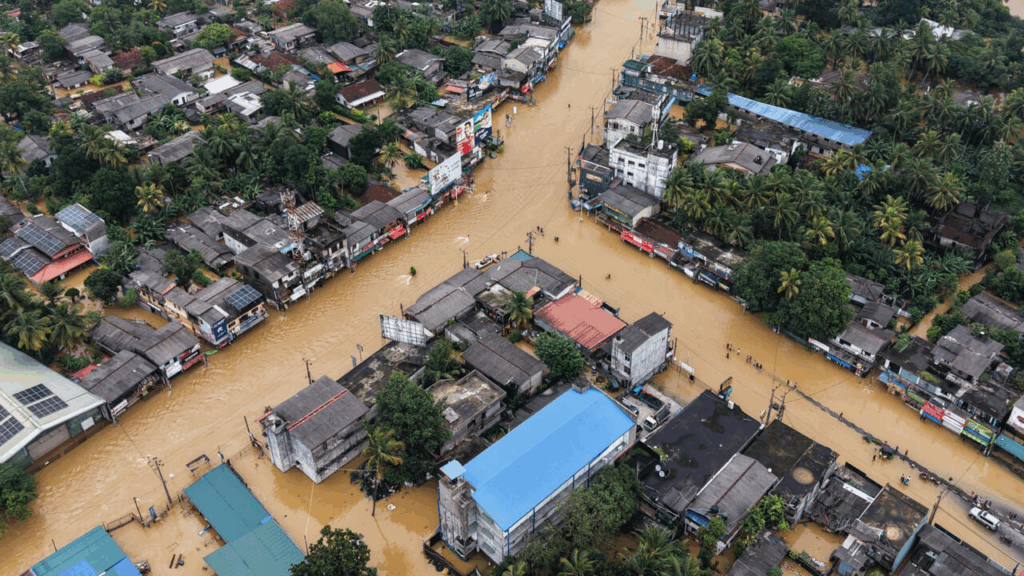
12 dead, nearly 500 flood victims rescued – GNFS
‘If I don’t get this, they’ll die’: Gidgegannup mum fears the worst for her twins over lack of NDIS support
