
Today in News History
On July 7, several notable moments in the history of News stand out. In 1911, The United States, UK, Japan, and Russia sign the North Pacific Fur Seal Convention of 1911 banning open-water seal hunting, the first international treaty to address wildlife preservation issues. In 1929, Hasan Abidi, Pakistani journalist and poet (died 2005) was born. In 1941, The US occupation of Iceland replaces the UK's occupation. In 1944, Glenys Kinnock, English educator and politician (died 2023) was born. In 1983, Cold War: Samantha Smith, a US schoolgirl, flies to the Soviet Union at the invitation of Secretary General Yuri Andropov. In 1991, Yugoslav Wars: The Brioni Agreement ends the ten-day independence war in Slovenia against the rest of the Socialist Federal Republic of Yugoslavia. In 2006, John Money, New Zealand-American psychologist and author (born 1921) passed away. In 2012, At least 172 people are killed in a flash flood in the Krasnodar Krai region of Russia. In 2017, The Treaty on the Prohibition of Nuclear Weapons was adopted with 122 countries voting in favour. In 2022, Boris Johnson announces his resignation as leader of the Conservative Party following days of pressure from the Members of Parliament (MPs) during the July 2022 United Kingdom government crisis. Together, these milestones provide historical context for today's news news and ongoing narratives.
The World Bank has ditched its climate targets
The rise and fall of the institution’s love for green growth
Narrative Intelligence Brief
This article was published by The Economist, a source frequently categorized with a center bias based in United Kingdom. Our narrative intelligence engine continuously monitors coverage from this outlet to track framing, bias, and rhetorical patterns. Our initial algorithmic scan of this specific piece did not flag high-confidence rhetorical techniques, suggesting a generally straightforward reporting style or neutral framing. By understanding the editorial perspective of The Economist, readers can better contextualize the information presented and compare it across our broader media matrix to find the real narrative.
More from The Economist
July 7, 2026
If the AI bubble bursts will it cause a recession? | The Economist
July 5, 2026
Women’s progress at work appears to be stalling
July 6, 2026
Has it got easier for short men to date? | The Economist
July 4, 2026
Why European oil companies are doing better than America's | The Economist
July 4, 2026
How powerful is America?
Analysis Methodology
This narrative analysis was generated using the CoDataLab Global Intelligence Engine. Our proprietary AI scans thousands of cross-border sources to identify sentiment patterns, framing techniques, and potential media bias. While AI provides the data-driven foundation, our objective is to empower readers with additional context beyond the standard headline.The content displayed above is a structured summary designed for rapid information processing. For the full original report, please visit the source outlet.More Coverage
Discussion
"nato summit"
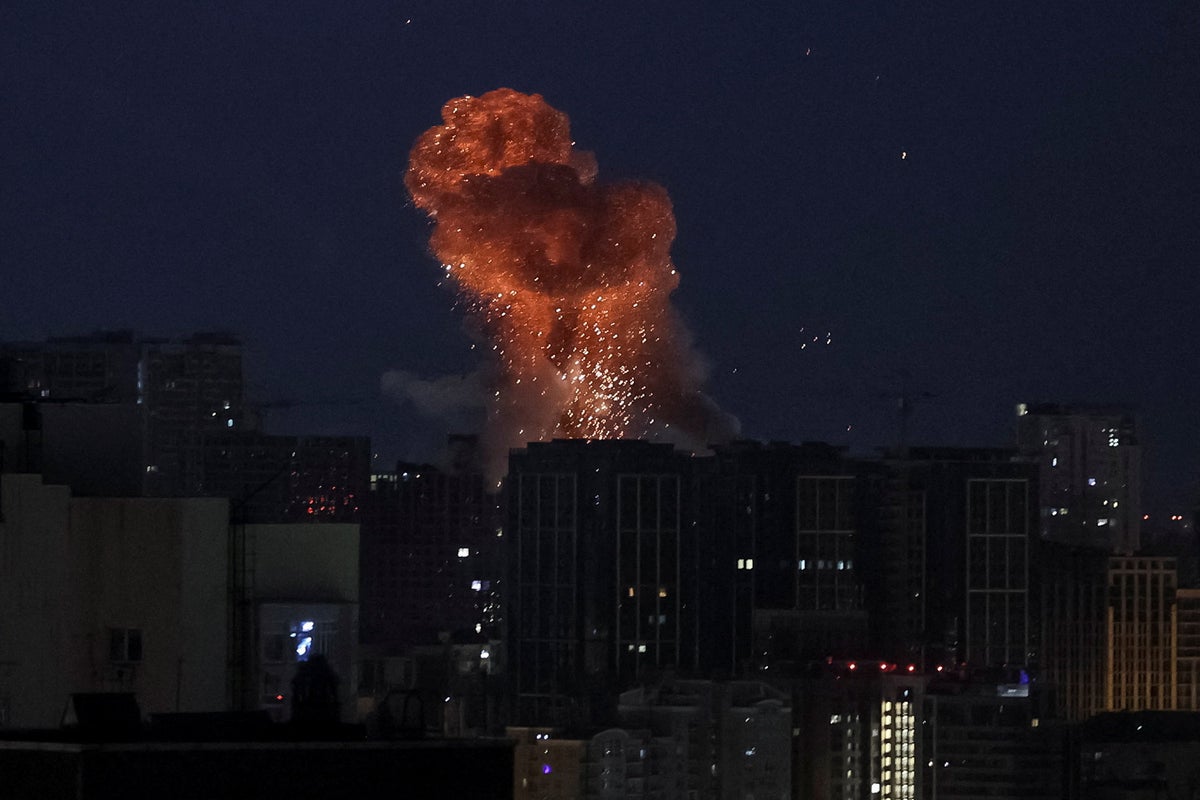
Ukraine-Russia war latest: Death toll in Kyiv rises to 26 as Zelensky laments ‘nonsensical’ lack of Patriot missiles
Lee proposes Korea-NATO defense partnership 2.0 for co-production
Türkiye at diplomatic forefront in Russia-Ukraine war
