Today in News History
On June 23, several notable moments in the history of News stand out. In 1965, Sylvia Mathews Burwell, American government and non-profit executive was born. In 1972, Watergate scandal: U.S. President Richard M. Nixon and White House Chief of Staff H. R. Haldeman are taped talking about illegally using the Central Intelligence Agency to obstruct the Federal Bureau of Investigation's investigation into the Watergate break-ins. In 1977, Shaun O'Hara, American football player and sportscaster was born. In 1980, Melissa Rauch, American actress was born. In 1997, Betty Shabazz, American educator and activist (born 1936) passed away. In 2005, Shana Alexander, American journalist and author (born 1926) passed away. In 2009, Jerri Nielsen, American physician and explorer (born 1952) passed away. In 2009, Ed McMahon, American game show host and announcer (born 1923) passed away. In 2012, Frank Chee Willeto, American soldier and politician, 4th Vice President of the Navajo Nation (born 1925) passed away. In 2015, Nirmala Joshi, Indian nun, lawyer, and social worker (born 1934) passed away. Together, these milestones provide historical context for today's news news and ongoing narratives.
'The View' Uses Late Host Barbara Walters to Fight Back Over FCC Threat
Narrative Analysis: Name Calling
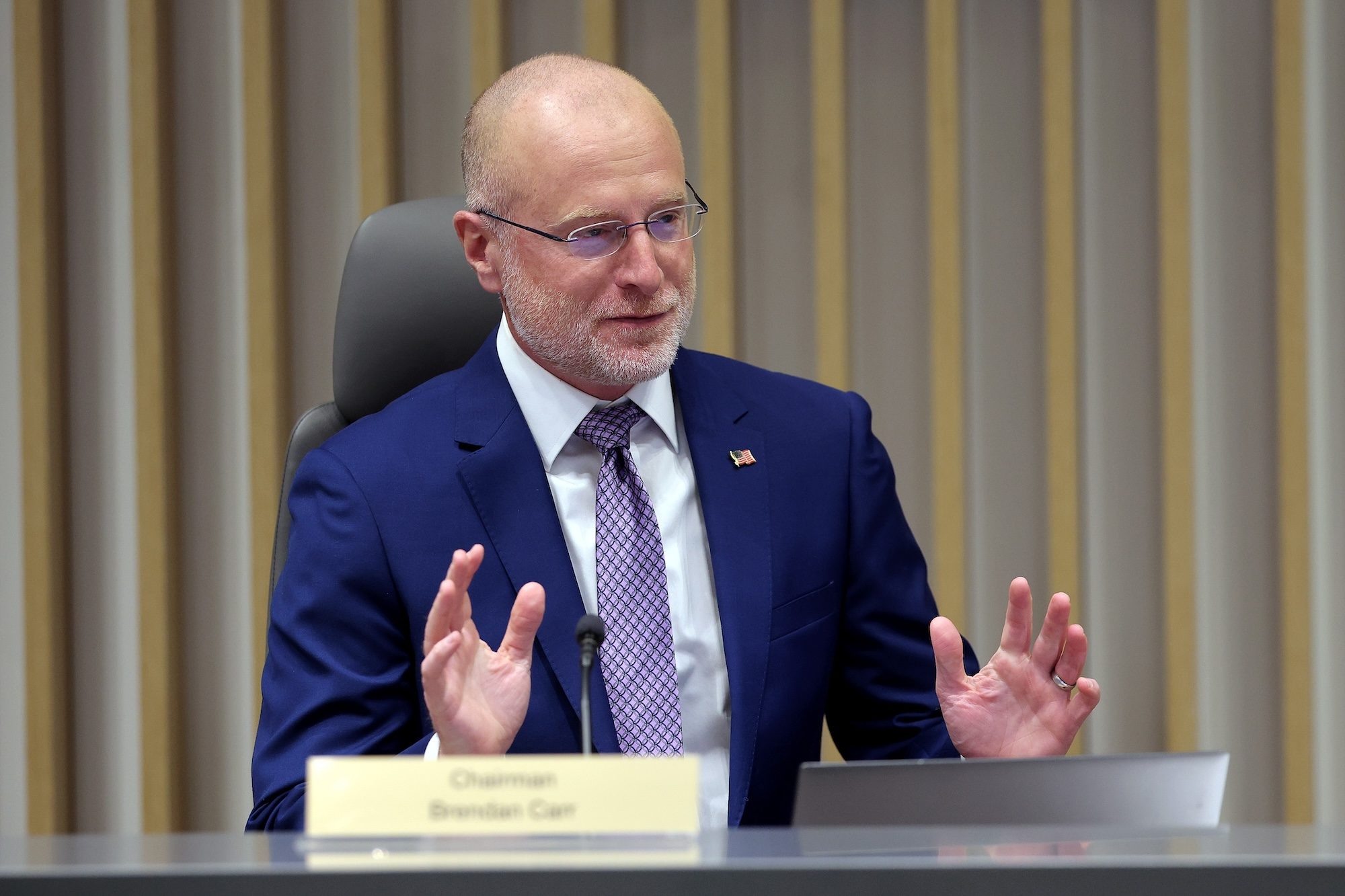
The View invoked its late creator and cohost Barbara Walters to fight back against threats from Federal Communications Commission (FCC) Chairman Brendan Carr. “I had this idea for a show,” Walters explains in archival footage used in an ad released by The View on Monday, June 22. “Different women, different points of view.” Classic footage []
Narrative Intelligence Brief
This article was published by Us Weekly, a source frequently categorized with a center bias based in United States of America. Our narrative intelligence engine continuously monitors coverage from this outlet to track framing, bias, and rhetorical patterns. In this specific piece, our systems detected the potential use of the "Name Calling" technique. This narrative approach is often used to shape reader perception by highlighting specific emotional or rhetorical angles. By understanding the editorial perspective of Us Weekly, readers can better contextualize the information presented and compare it across our broader media matrix to find the real narrative.
More from Us Weekly
June 23, 2026
RHOM’s Lisa Hochstein Breaks Silence as Spying Charge Is Dropped
June 23, 2026
Olivia Wilde's Retro Black Sneakers Go With Everything — The $27 Look
June 23, 2026
Love Island's Zach Makes Out With Alannah After Her Kiss With His Brother
June 23, 2026
Did the 'Love Island USA' Guys Have Sex With the Casa Amor Bombshells?
June 23, 2026
Rashida Jones' Wide-Leg Denim Is Easy To Replicate for $35
Reliability Insights
P
Technique: Name Calling
System analysis detected use of specific narrative techniques in this piece.Analysis Methodology
This narrative analysis was generated using the CoDataLab Global Intelligence Engine. Our proprietary AI scans thousands of cross-border sources to identify sentiment patterns, framing techniques, and potential media bias. While AI provides the data-driven foundation, our objective is to empower readers with additional context beyond the standard headline.The content displayed above is a structured summary designed for rapid information processing. For the full original report, please visit the source outlet.More Coverage
Discussion
"france"
🚨Trump RAGES after HUMILIATION by ITALIAN LEADER

Europe’s current heat wave is so bad the French are considering banning outdoor drinking and adopting AC ‘if necessary’

Report reveals what started Trump’s feud with Italian pal: ‘She doesn’t see this as petty’