Today in News History
On June 29, several notable moments in the history of News stand out. In 1807, Russo-Turkish War: Admiral Dmitry Senyavin destroys the Ottoman fleet in the Battle of Athos. In 1874, Greek politician Charilaos Trikoupis publishes a manifesto in the Athens daily Kairoi entitled "Who's to Blame?" leveling complaints against King George. Trikoupis is elected Prime Minister of Greece the next year. In 1915, The North Saskatchewan River flood of 1915 is the worst flood in Edmonton history. In 1950, Korean War: U.S. President Harry S. Truman authorizes a sea blockade of Korea. In 1972, The United States Supreme Court rules in the case Furman v. Georgia that arbitrary and inconsistent imposition of the death penalty violates the Eighth and Fourteenth Amendments and constitutes cruel and unusual punishment. In 1995, The Sampoong Department Store collapses in the Seocho District of Seoul, South Korea, killing 502 and injuring 937. In 2002, Naval clashes between South Korea and North Korea lead to the death of six South Korean sailors and sinking of a North Korean vessel. In 2006, Hamdan v. Rumsfeld: The U.S. Supreme Court rules that President George W. Bush's plan to try Guantanamo Bay detainees in military tribunals violates U.S. and international law. In 2014, The Islamic State of Iraq and the Levant self-declares its caliphate in Syria and northern Iraq. In 2015, Hisham Barakat, Egyptian lawyer and judge (born 1950) passed away. Together, these milestones provide historical context for today's news news and ongoing narratives.
The Supreme Court Contradicted Itself
Narrative Analysis: Name Calling
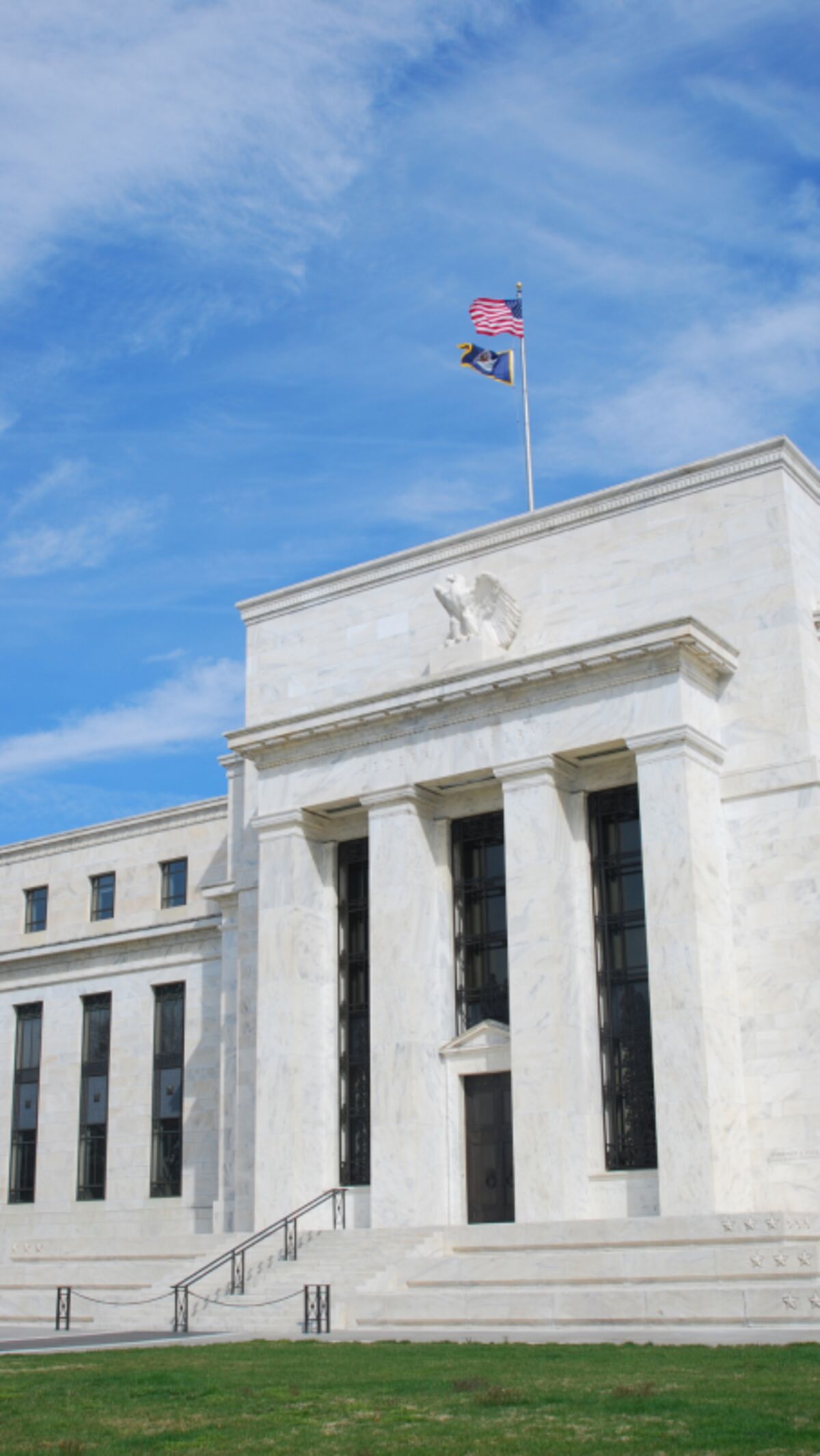
The Supreme Court has issued two opinions that affect the independence of the US Federal Reserve, creating an extremely high-risk strategy, explains Bloomberg Opinion columnist and Harvard Law professor Noah Feldman. (Source: Bloomberg)
Narrative Intelligence Brief
This article was published by Bloomberg, a source frequently categorized with a lean left bias based in United States of America. Our narrative intelligence engine continuously monitors coverage from this outlet to track framing, bias, and rhetorical patterns. In this specific piece, our systems detected the potential use of the "Name Calling" technique. This narrative approach is often used to shape reader perception by highlighting specific emotional or rhetorical angles. By understanding the editorial perspective of Bloomberg, readers can better contextualize the information presented and compare it across our broader media matrix to find the real narrative.
More from Bloomberg
June 29, 2026
Japan Stocks Set to Climb as Yen Hits 40-Year Low: Markets Wrap
June 29, 2026
Raizen Keeps Burning Cash, Sets Steeper Charge Amid Restructure
June 29, 2026
Forgent, Backer Offer Stock After Price Doubles Since IPO
June 29, 2026
Oil Holds Gain as Iran Seeks Hormuz Control Before Talks With US
June 29, 2026
CEO Behind Knicks Flyfish Club Afterparty on What’s Next
Reliability Insights
P
Technique: Name Calling
System analysis detected use of specific narrative techniques in this piece.Analysis Methodology
This narrative analysis was generated using the CoDataLab Global Intelligence Engine. Our proprietary AI scans thousands of cross-border sources to identify sentiment patterns, framing techniques, and potential media bias. While AI provides the data-driven foundation, our objective is to empower readers with additional context beyond the standard headline.The content displayed above is a structured summary designed for rapid information processing. For the full original report, please visit the source outlet.More Coverage
Discussion
"supreme court"
Samuel Alito’s outburst directed at Sonia Sotomayor is part of a troubling trend

The Supreme Court upholds Fed independence by saving Lisa Cook’s job—and also saves U.S. debt from a crisis

‘Irresponsible Escapade’: Alito Rips SCOTUS Majority in Ruling Involving Big Tech Data and a Bank Robbery