
Today in News History
On June 19, several notable moments in the history of News stand out. In 1864, Richard Heales, English-Australian politician, 4th Premier of Victoria (born 1822) passed away. In 1896, Rajani Palme Dutt, English journalist and politician (died 1974) was born. In 1930, Boris Parygin, Soviet philosopher, psychologist, and author (died 2012) was born. In 1954, Mike O'Brien, English lawyer and politician, Solicitor General for England and Wales was born. In 1960, Andrew Dilnot, English economist and academic was born. In 1970, Rahul Gandhi, Indian politician was born. In 1977, Ali Shariati, Iranian sociologist and philosopher (born 1933) passed away. In 1987, Basque separatist group ETA commits one of its most violent attacks, in which a bomb is set off in a supermarket, Hipercor, killing 21 and injuring 45. In 2001, Stanley Mosk, American lawyer, jurist, and politician (born 1912) passed away. In 2009, Mass riots involving over 10,000 people and 10,000 police officers break out in Shishou, China, over the dubious circumstances surrounding the death of a local chef. Together, these milestones provide historical context for today's news news and ongoing narratives.
The Strategy of Complete Quiet: Top Political Analyst Dissects the Prime Minister's Sudden Tactical Silence
Narrative Analysis: Name Calling
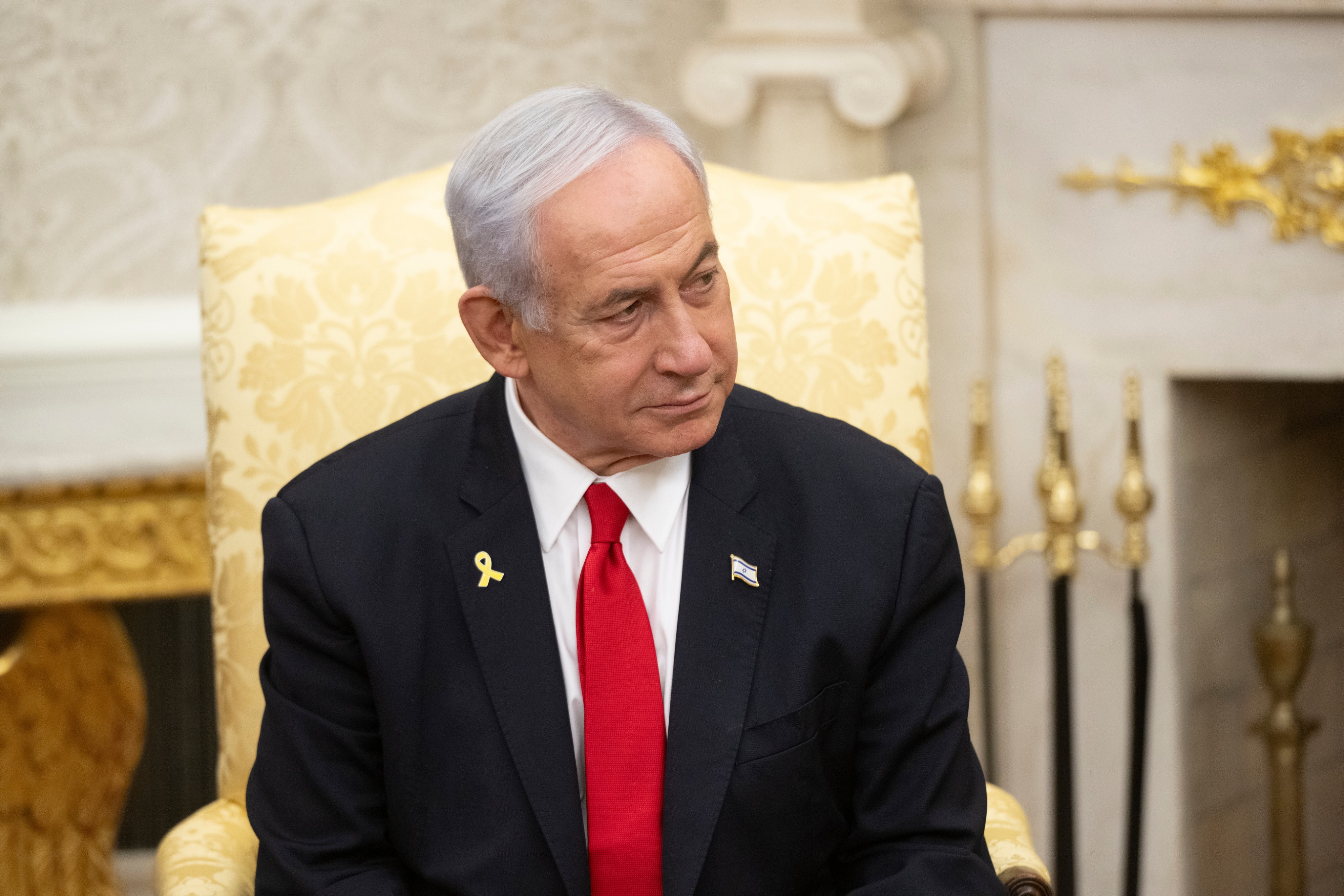
Prominent political commentator Amit Segal released a comprehensive analysis decoding Prime Minister Benjamin Netanyahu's uncharacteristic public silence regarding the recent US Iran nuclear accord, attributing the calculated restraint to shifting battlefield priorities and the necessity of managing long term relations with Washington.
Narrative Intelligence Brief
This article was published by JFeed, a source frequently categorized with a right bias based in Israel. Our narrative intelligence engine continuously monitors coverage from this outlet to track framing, bias, and rhetorical patterns. In this specific piece, our systems detected the potential use of the "Name Calling" technique. This narrative approach is often used to shape reader perception by highlighting specific emotional or rhetorical angles. By understanding the editorial perspective of JFeed, readers can better contextualize the information presented and compare it across our broader media matrix to find the real narrative.
More from JFeed
June 18, 2026
Rejecting the Sixty Day Freeze: Prime Minister Informs White House That Active Northern Operations Will Continue
June 18, 2026
Demanding an All Fronts Ceasefire: White House Applies Immense Friction to Regional Allies Over Strategic Accords
June 18, 2026
Tracking the Secret Uranium Stockpiles: White House Envoy Reveals Widespread Inspections Inside Nuclear Sites
June 18, 2026
No Atomic Arsenal Allowed: Security Cabinet Reaffirms Ironclad Determination to Neutralize Regional Threat
June 18, 2026
Domestic Terror Resumes: Tehran Cracks Down on Forbidden Secular Music Production Following US Pact
Reliability Insights
P
Technique: Name Calling
System analysis detected use of specific narrative techniques in this piece.Analysis Methodology
This narrative analysis was generated using the CoDataLab Global Intelligence Engine. Our proprietary AI scans thousands of cross-border sources to identify sentiment patterns, framing techniques, and potential media bias. While AI provides the data-driven foundation, our objective is to empower readers with additional context beyond the standard headline.The content displayed above is a structured summary designed for rapid information processing. For the full original report, please visit the source outlet.More Coverage
Discussion
"cup"
Inside ‘bullied’ Marcus Rashford’s World Cup revival after escaping Man Utd hell

‘Living in a Movie’: World Cup Fans Are Losing Their Minds Over This U.S. Staple—and It’s Causing Chaos at Airports

Six arrested during England’s World Cup win – including for criminal trespass
