Today in News History
On June 26, several notable moments in the history of News stand out. In 1917, World War I: The American Expeditionary Forces begin to arrive in France. They will first enter combat in the Battle of Hamel on July 4. In 1923, Ed Bearss, American military historian and author (died 2020) was born. In 1924, The American occupation of the Dominican Republic ends after eight years. In 1926, Fernando Mönckeberg Barros, Chilean surgeon was born. In 1940, World War II: Under the Molotov-Ribbentrop Pact, the Soviet Union presents an ultimatum to Romania requiring it to cede Bessarabia and the northern part of Bukovina. In 1941, World War II: Soviet planes bomb Kassa, Hungary (now Košice, Slovakia), giving Hungary the impetus to declare war the next day. In 1944, World War II: The Battle of Osuchy in Osuchy, Poland, one of the largest battles between Nazi Germany and Polish resistance forces, ends with the defeat of the latter. In 1948, Cold War: The first supply flights are made in response to the Berlin Blockade. In 1960, Madagascar gains its independence from France. In 1991, Yugoslav Wars: The Yugoslav People's Army begins the Ten-Day War in Slovenia. Together, these milestones provide historical context for today's news news and ongoing narratives.
The Strait of Hormuz might be entering a new era: report
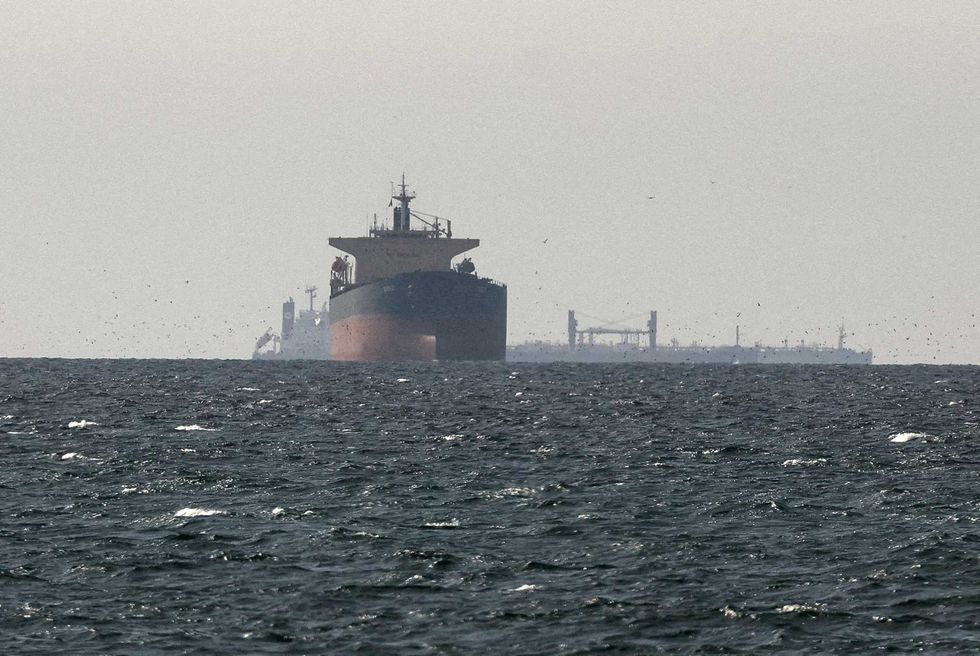
Iran has discussed plans with Middle Eastern neighbors and China to establish permanent tolls in the Strait of Hormuz, according to Wall Street Journal reporting. According to reports by the Wall Street Journal, Iranian officials estimate charges for security, safety, and environmental services could generate 40 billion annually for participating states. The scheme represents a dramatic reversal of pre-war conditions, with Iran now controlling the global shipping chokepoint it effectively seized when the war began. Iran's chief negotiator, Mohammad Bagher Qalibaf, declared during a visit to Oman, management of the strait will never return to the way it was before. Ship crossings have declined significantly, with 70 crossings on Wednesday compared to 130 oil tankers daily before the war. Secretary of State Marco Rubio opposed the toll idea during a Middle East trip, calling it an unacceptable precedent that would spread like a contagion. However, a 60-day ceasefire deal gives Iran control of demining and a say in future strait management.Watch the video below. Your browser does not support the video tag.
Narrative Intelligence Brief
This article was published by Raw Story, a source frequently categorized with a left bias based in United States of America. Our narrative intelligence engine continuously monitors coverage from this outlet to track framing, bias, and rhetorical patterns. Our initial algorithmic scan of this specific piece did not flag high-confidence rhetorical techniques, suggesting a generally straightforward reporting style or neutral framing. By understanding the editorial perspective of Raw Story, readers can better contextualize the information presented and compare it across our broader media matrix to find the real narrative.
More from Raw Story
June 26, 2026
MAGA rift erupts as White House insider bashes 'unlikable' GOP hopeful's 'bedwetting'
June 26, 2026
Federal judge orders Musk deposition in voter data lawsuit
June 26, 2026
Insider offers unsettling warning about 'flailing' Trump: 'Lots of plot twists by then'
June 26, 2026
'Maybe that's a sign!' Expert catches stunning irony behind dubious Supreme Court opinion
June 26, 2026
Psychologist flags 'deeply troubling' pattern behind ex-Trump official's departure
Analysis Methodology
This narrative analysis was generated using the CoDataLab Global Intelligence Engine. Our proprietary AI scans thousands of cross-border sources to identify sentiment patterns, framing techniques, and potential media bias. While AI provides the data-driven foundation, our objective is to empower readers with additional context beyond the standard headline.The content displayed above is a structured summary designed for rapid information processing. For the full original report, please visit the source outlet.More Coverage
Discussion