
Today in News History
On June 22, several notable moments in the history of News stand out. In 1887, Julian Huxley, English biologist and academic (died 1975) was born. In 1924, Larkin Kerwin, Canadian physicist and academic (died 2004) was born. In 1936, Moritz Schlick, German-Austrian physicist and philosopher (born 1882) passed away. In 1947, Bruno Latour, French philosopher, anthropologist and sociologist (died 2022) was born. In 1968, Darrell Armstrong, American basketball player and coach was born. In 1969, The Cuyahoga River catches fire in Cleveland, Ohio, drawing national attention to water pollution, and spurring the passing of the Clean Water Act and the creation of the Environmental Protection Agency. In 1984, Dustin Johnson, American golfer was born. In 1990, Sebastian Jung, German footballer was born. In 1994, Marnus Labuschagne, South African-Australian cricketer was born. In 2007, The small town of Elie, Manitoba is hit by Canada’s most intense tornado on record. Together, these milestones provide historical context for today's news news and ongoing narratives.
The mosquito is one of the world’s most studied insects. Here’s why.
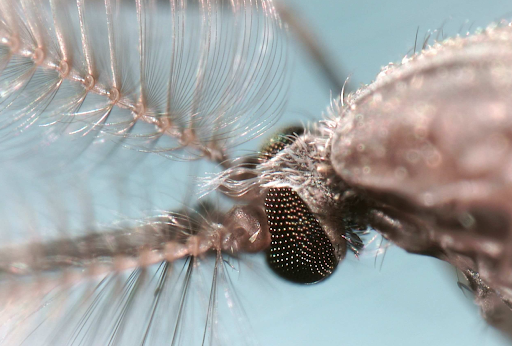
Kampala, Uganda, 22 June 2026 -/African Media Agency(AMA)/ – Despite weighing only a few milligrams, mosquitoes have proven that some of the world’s biggest challenges can come in very small packages. This week (22-28 June) is Insect Week, and scientists are answering why mosquitoes are one of the most researched, and notorious, insects on the []
Narrative Intelligence Brief
This article was published by South Africa Today, a source frequently categorized with a right bias based in South Africa. Our narrative intelligence engine continuously monitors coverage from this outlet to track framing, bias, and rhetorical patterns. Our initial algorithmic scan of this specific piece did not flag high-confidence rhetorical techniques, suggesting a generally straightforward reporting style or neutral framing. By understanding the editorial perspective of South Africa Today, readers can better contextualize the information presented and compare it across our broader media matrix to find the real narrative.
More from South Africa Today
June 22, 2026
Keir Starmer Resigns as Labour Leader After Two Years as Prime Minister
June 22, 2026
Stingless bees in Peru become the first insects with legal rights. Will it happen globally?
June 22, 2026
The chair is not the person: A CEO’s hardest leadership lesson
June 22, 2026
ZF partners with Truck Test 2026 to maximise mobility uptime and safety on SA roads
June 22, 2026
The role of cleaning in crowd safety and risk reduction
Analysis Methodology
This narrative analysis was generated using the CoDataLab Global Intelligence Engine. Our proprietary AI scans thousands of cross-border sources to identify sentiment patterns, framing techniques, and potential media bias. While AI provides the data-driven foundation, our objective is to empower readers with additional context beyond the standard headline.The content displayed above is a structured summary designed for rapid information processing. For the full original report, please visit the source outlet.More Coverage
Discussion


