Today in News History
On June 30, several notable moments in the history of News stand out. In 1703, The Battle of Ekeren between a Dutch force and a French force. In 1758, Seven Years' War: Habsburg Austrian forces destroy a Prussian reinforcement and supply convoy in the Battle of Domstadtl, helping to expel Prussian King Frederick the Great from Moravia. In 1908, The Tunguska Event, the largest impact event on Earth in human recorded history, resulting in a massive explosion over Eastern Siberia. In 1925, Ebrahim Amini, Iranian politician (died 2020) was born. In 1944, World War II: The Battle of Cherbourg ends with the fall of the strategically valuable port to American forces. In 1956, A TWA Super Constellation and a United Airlines DC-7 collide above the Grand Canyon in Arizona and crash, killing all 128 on board both airliners. In 1959, Daniel Goldhagen, American political scientist, author, and academic was born. In 1977, The Southeast Asia Treaty Organization disbands. In 2013, Nineteen firefighters die controlling a wildfire near Yarnell, Arizona. In 2019, Donald Trump becomes the first sitting US President to visit the Democratic People's Republic of Korea (North Korea). Together, these milestones provide historical context for today's news news and ongoing narratives.
The Iran war was intended to remove obstacle to Trump’s new world order
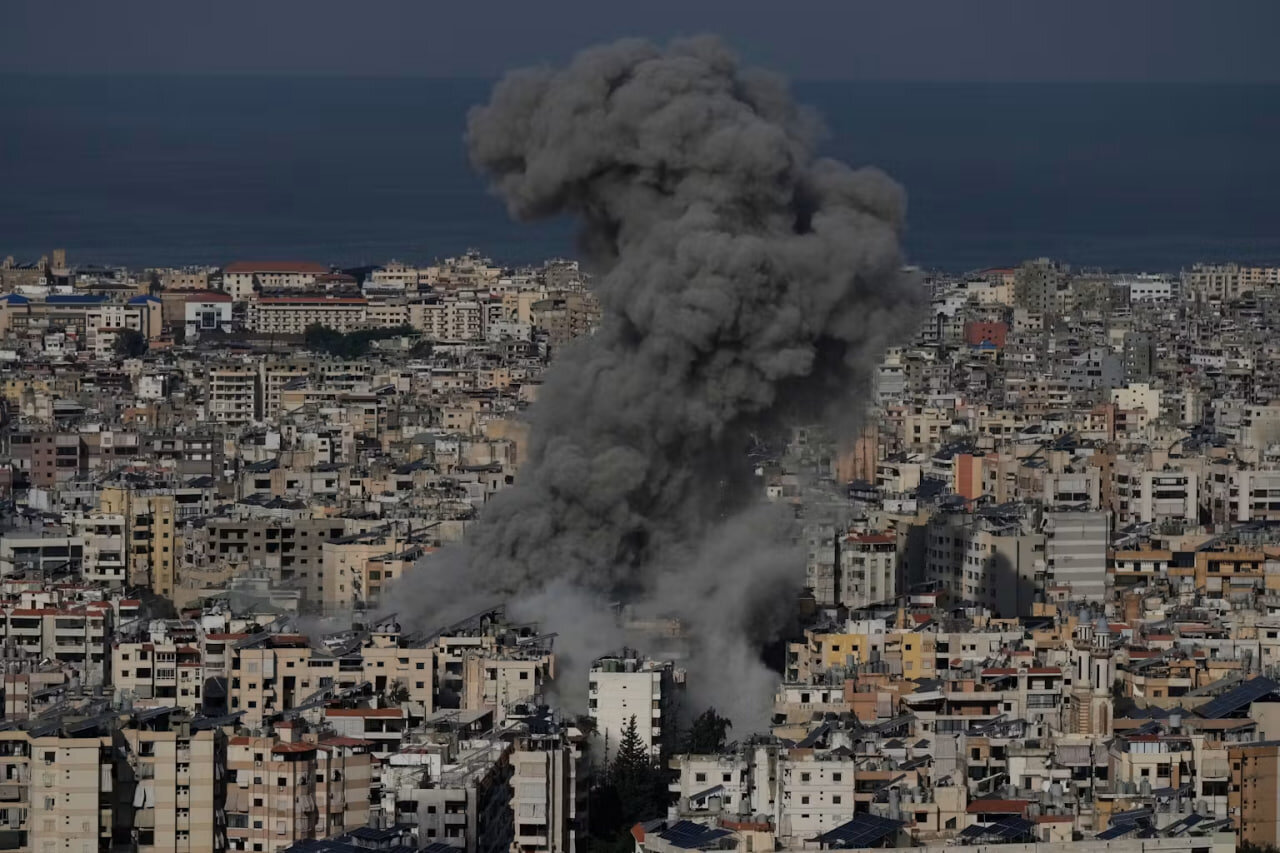
LONDON – It is clear that the hidden objective declared at the beginning of the February war on Iran, namely the elimination of the government through decapitating leaders and creating overwhelming chaos, failed. The reason for the failure is that Iran is a rising power carrying the flame of liberation in the region and seriously defying American hegemony, where no other country dares to do so.
Narrative Intelligence Brief
This article was published by Tehran Times, a source frequently categorized with a lean right bias based in Iran. Our narrative intelligence engine continuously monitors coverage from this outlet to track framing, bias, and rhetorical patterns. Our initial algorithmic scan of this specific piece did not flag high-confidence rhetorical techniques, suggesting a generally straightforward reporting style or neutral framing. By understanding the editorial perspective of Tehran Times, readers can better contextualize the information presented and compare it across our broader media matrix to find the real narrative.
More from Tehran Times
June 30, 2026
Shushtar’s World Heritage value lies in its engineering system, not individual structures, official
June 30, 2026
Gaza thwarts seditious plot, renews allegiance to resistance
June 30, 2026
Behind the new Lebanon framework lies the trap of demographic erasure, endless war
June 30, 2026
Setting the rules of ownership in the Strait of Hormuz
June 30, 2026
The twilight of American empire in Persian Gulf
Analysis Methodology
This narrative analysis was generated using the CoDataLab Global Intelligence Engine. Our proprietary AI scans thousands of cross-border sources to identify sentiment patterns, framing techniques, and potential media bias. While AI provides the data-driven foundation, our objective is to empower readers with additional context beyond the standard headline.The content displayed above is a structured summary designed for rapid information processing. For the full original report, please visit the source outlet.More Coverage
Discussion
"birthright citizenship"
Angry Trump lambasts Supreme Court’s birthright citizenship decision, urges Congress to act: ‘too bad for our Country’

U.S. Supreme Court Rejects Trump’s Effort to Cancel “Birthright Citizenship”

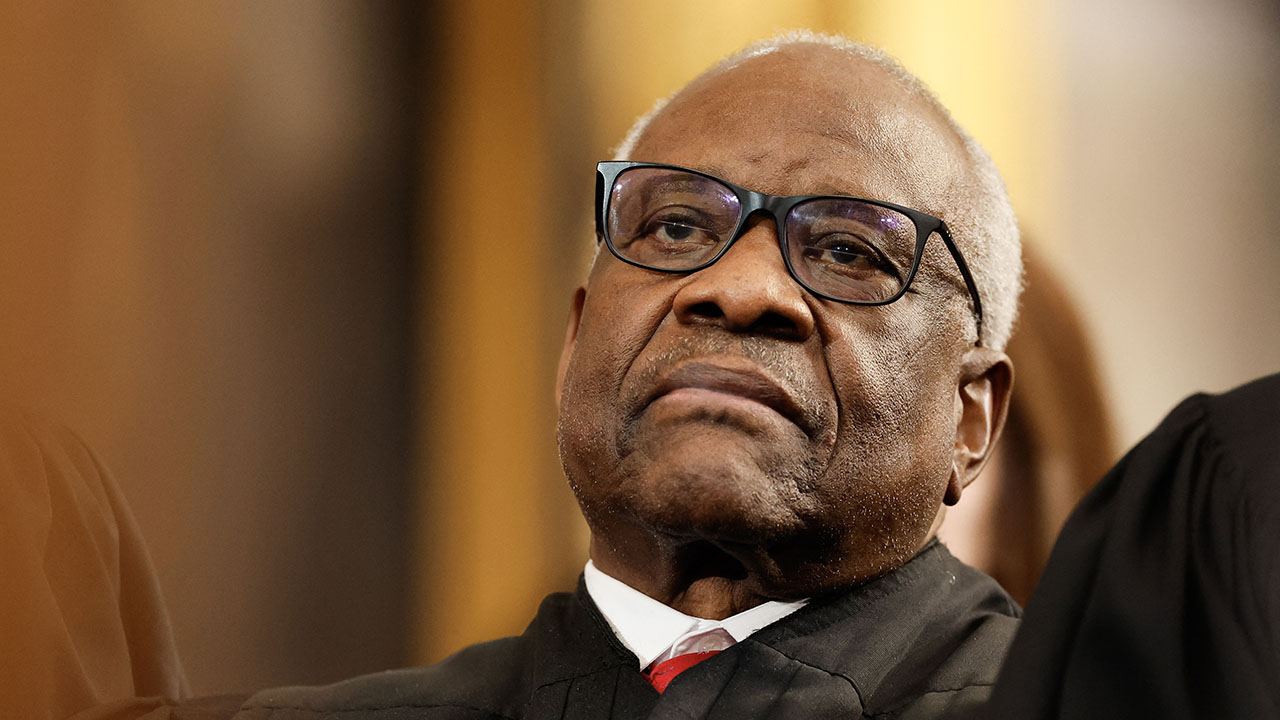
‘MEDIEVAL’: Justices Thomas, Alito Argue ‘Birthright Citizenship’ Ruling Reverses the Declaration of Independence on Its 250th Anniversary