Today in News History
On June 22, several notable moments in the history of News stand out. In 1915, Cornelius Warmerdam, American pole vaulter and coach (died 2001) was born. In 1952, Santokh Singh, Malaysian football player was born. In 1953, Wim Eijk, Dutch cardinal was born. In 1981, Aquivaldo Mosquera, Colombian footballer was born. In 1982, Andoni Iraola, Spanish footballer was born. In 1982, Ian Kinsler, American baseball player was born. In 1986, The famous Hand of God goal, scored by Diego Maradona in the quarter-finals of the 1986 FIFA World Cup match between Argentina and England, ignites controversy. This was later followed by the Goal of the Century. Argentina wins 2-1 and later goes on to win the World Cup. In 1991, Hugo Mallo, Spanish footballer was born. In 1994, Marnus Labuschagne, South African-Australian cricketer was born. In 2007, Erik Parlevliet, Dutch field hockey player (born 1964) passed away. Together, these milestones provide historical context for today's news news and ongoing narratives.
The Hotspot | Aramco’s petrodollar backing of World Cup leaves stain of sportswashing

How Saudi Arabia’s state-owned oil giant is embedding fossil fuels as a crucial part of the world’s biggest sportIf you have watched the World Cup, you may have seen the big signs announcing Aramco as the tournament’s “energy partner”. This Saudi Arabian fossil fuel company also happens to be the world’s single largest corporate polluter while Saudi Arabia has, for decades, been the greatest stumbling block in international climate change negotiations. Aramco’s sponsorship is one aspect of Fifa’s increasing sportswashing that has angered fans around the world.This cosy relationship between modern football and the polluting industries has a long history that can be divided into three periods. First was when the game grew in British society as a tool to order and discipline workers and then became a cultural export of the British empire and capitalism. In the Factory Act of 1850, workers won the right to have Saturday afternoons free from work from 2pm, which is why the traditional kick-off is 3pm. Continue reading...
Narrative Intelligence Brief
This article was published by Football | The Guardian, a source frequently categorized with a lean left bias based in United Kingdom. Our narrative intelligence engine continuously monitors coverage from this outlet to track framing, bias, and rhetorical patterns. Our initial algorithmic scan of this specific piece did not flag high-confidence rhetorical techniques, suggesting a generally straightforward reporting style or neutral framing. By understanding the editorial perspective of Football | The Guardian, readers can better contextualize the information presented and compare it across our broader media matrix to find the real narrative.
More from Football | The Guardian
June 22, 2026
If we can’t keep rats out of Britain’s jails, we shouldn’t be putting children in them | Zoe Williams
June 22, 2026
Lyon accelerate attempts to sign Burkina Faso international
June 22, 2026
‘You have to grit your teeth’ – Arsenal’s William Saliba confirms he will play through back pain at World Cup
June 22, 2026
Official I Erwan Colas extends Le Mans contract
June 22, 2026
Man United snap up land to build their £2bn 100,000-seat stadium after they abandoned £360m argument
Analysis Methodology
This narrative analysis was generated using the CoDataLab Global Intelligence Engine. Our proprietary AI scans thousands of cross-border sources to identify sentiment patterns, framing techniques, and potential media bias. While AI provides the data-driven foundation, our objective is to empower readers with additional context beyond the standard headline.The content displayed above is a structured summary designed for rapid information processing. For the full original report, please visit the source outlet.More Coverage
Discussion
"cup"
My boss won’t let me work from home the day after World Cup games – I’m furious

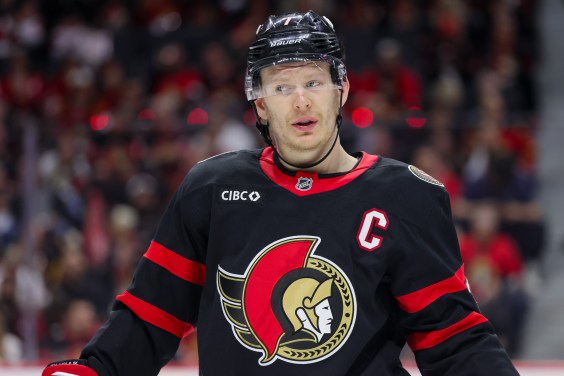
Everyone’s Mad About Brady Tkachuk Going To Florida
AG Blanche says World Cup shooting suspect may be dead, as police remain vigilant