Today in News History
On June 23, several notable moments in the history of News stand out. In 1810, John Jacob Astor forms the Pacific Fur Company. In 1812, War of 1812: Great Britain revokes the restrictions on American commerce, thus eliminating one of the chief reasons for going to war. In 1916, Al G. Wright, American bandleader and conductor (died 2020) was born. In 1969, IBM announces that effective January 1970 it will price its software and services separately from hardware thus creating the modern software industry. In 1985, A terrorist bomb explodes at Narita International Airport near Tokyo, killing two and injuring four. An hour later, the same group detonates a second bomb aboard Air India Flight 182, bringing the Boeing 747 down off the coast of Ireland killing all 329 aboard. In 1989, Lisa Carrington, New Zealand flatwater canoeist was born. In 2013, Gary David Goldberg, American screenwriter and producer (born 1944) passed away. In 2014, The last of Syria's declared chemical weapons are shipped out for destruction. In 2014, Paula Kent Meehan, American businesswoman, co-founded Redken (born 1931) passed away. In 2017, A series of terrorist attacks take place in Pakistan, resulting in 96 deaths and wounding 200 others. Together, these milestones provide historical context for today's news news and ongoing narratives.
Tariffs Alone Won’t Reshore Steel and Aluminum, but Will Hurt Manufacturing
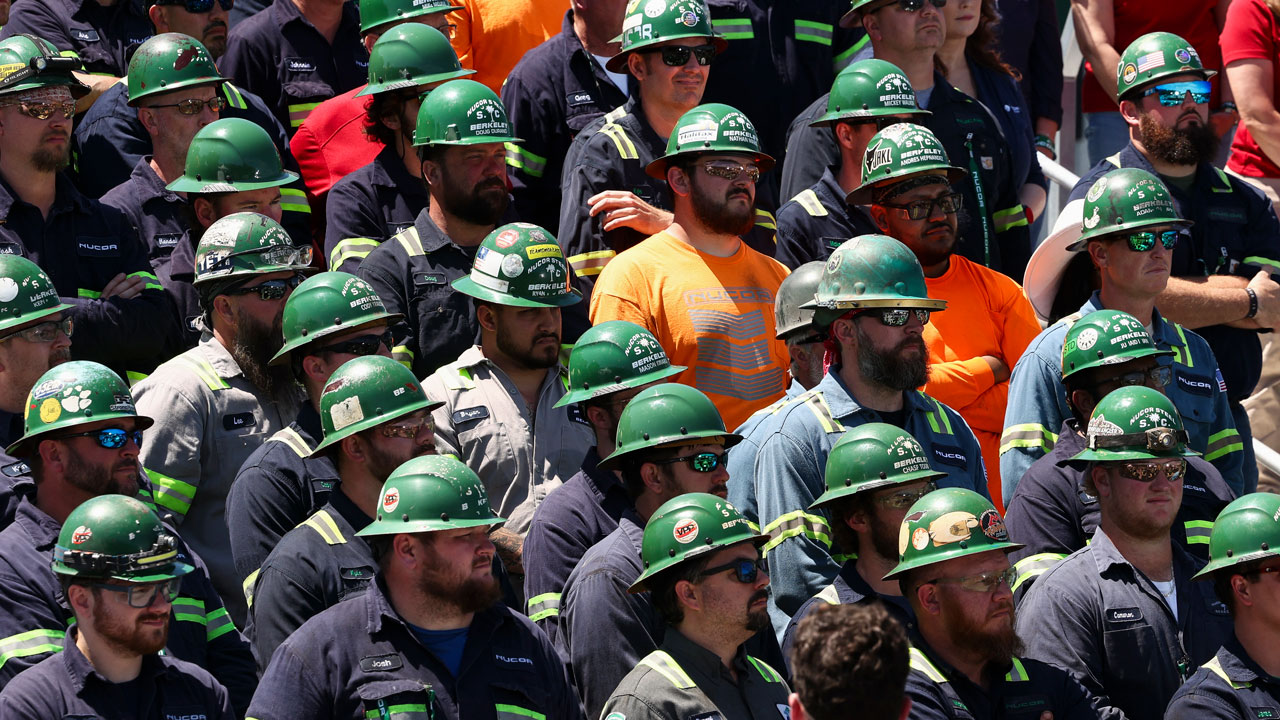
Tariffs can be a powerful and effective tool of statecraft. The evidence could be seen last year when resistant trading partners were dragged to the negotiating table. The progress with the United Kingdom, India, Japan, and others is real, as is the leverage that produced it. However, as I’ve argued before, tariffs without significant domestic...
Narrative Intelligence Brief
This article was published by The Daily Signal, a source frequently categorized with a lean right bias based in United States of America. Our narrative intelligence engine continuously monitors coverage from this outlet to track framing, bias, and rhetorical patterns. Our initial algorithmic scan of this specific piece did not flag high-confidence rhetorical techniques, suggesting a generally straightforward reporting style or neutral framing. By understanding the editorial perspective of The Daily Signal, readers can better contextualize the information presented and compare it across our broader media matrix to find the real narrative.
More from The Daily Signal
June 22, 2026
Judge Blocks Trump’s Use of Revamped Immigration Database for Voter Checks
June 22, 2026
Why the Media Called Trump a Warmonger…Then an Appeaser
June 22, 2026
Vance: Iran Deal Has ‘Successful Foundation’
June 22, 2026
SCOOP: SAVE America Act Could Be Voted On Everyday Before November
June 22, 2026
SCOOP: SAVE America Act Could Be Voted on Every Day Before November
Analysis Methodology
This narrative analysis was generated using the CoDataLab Global Intelligence Engine. Our proprietary AI scans thousands of cross-border sources to identify sentiment patterns, framing techniques, and potential media bias. While AI provides the data-driven foundation, our objective is to empower readers with additional context beyond the standard headline.The content displayed above is a structured summary designed for rapid information processing. For the full original report, please visit the source outlet.More Coverage
Discussion
"trump"
Trump’s Surrender Humiliation Deepens With Brutal Poll

Most Americans skeptical of Trump’s Iran deal: Poll

Chicago Mayor ignores another bloody weekend to focus on something called a, quote, “Transfemicide State of Emergency"