
Today in News History
On July 12, several notable moments in the history of News stand out. In 1863, Albert Calmette, French physician, bacteriologist, and immunologist (died 1933) was born. In 1895, Buckminster Fuller, American architect and engineer, designed the Montreal Biosphère (died 1983) was born. In 1928, Elias James Corey, American chemist and academic, Nobel Prize laureate was born. In 1935, Satoshi Ōmura, Japanese biochemist and academic, Nobel Prize laureate was born. In 1948, Richard Simmons, American fitness trainer and actor (died 2024) was born. In 1998, Arkady Ostashev, Soviet/Russian scientist and engineer (born 1925) passed away. In 2001, Space Shuttle program: Space Shuttle Atlantis is launched on mission STS-104, carrying the Quest Joint Airlock to the International Space Station. In 2006, The 2006 Lebanon War begins. In 2014, Valeriya Novodvorskaya, Russian journalist and politician (born 1950) passed away. In 2015, Cheng Siwei, Chinese engineer, economist, and politician (born 1935) passed away. Together, these milestones provide historical context for today's news news and ongoing narratives.
Synthetic biology may finally be ready to solve life's biggest mystery

What makes something alive? We simply don't know, but synthetic biologists are a step closer to providing an answer thanks to SpudCell, the most sophisticated attempt at creating an artificial life form yet
Narrative Intelligence Brief
This article was published by New Scientist, a source frequently categorized with a center bias based in United States of America. Our narrative intelligence engine continuously monitors coverage from this outlet to track framing, bias, and rhetorical patterns. Our initial algorithmic scan of this specific piece did not flag high-confidence rhetorical techniques, suggesting a generally straightforward reporting style or neutral framing. By understanding the editorial perspective of New Scientist, readers can better contextualize the information presented and compare it across our broader media matrix to find the real narrative.
More from New Scientist
July 10, 2026
UN space database aimed at easing global tensions is mysteriously down
July 10, 2026
Global warming already causing crop losses of over $20 billion a year
July 10, 2026
Mathematicians put AI to work on Fermat's last theorem
July 10, 2026
The sneaky maths trick for solving problems without answering them
July 10, 2026
2026 eclipse: 5 citizen science projects you can contribute to
Analysis Methodology
This narrative analysis was generated using the CoDataLab Global Intelligence Engine. Our proprietary AI scans thousands of cross-border sources to identify sentiment patterns, framing techniques, and potential media bias. While AI provides the data-driven foundation, our objective is to empower readers with additional context beyond the standard headline.The content displayed above is a structured summary designed for rapid information processing. For the full original report, please visit the source outlet.More Coverage
Discussion
"wimbledon"
Sinner outlasts Zverev to win second straight Wimbledon title

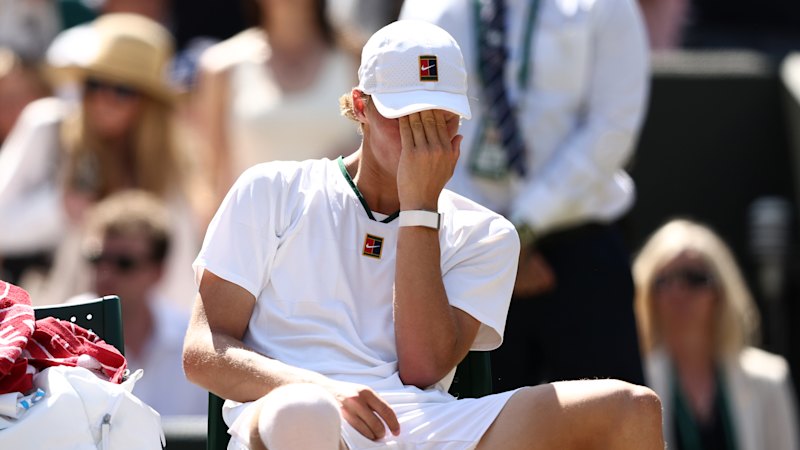
Heartbreak for Cruz Hewitt as teen loses Wimbledon boys’ final thriller
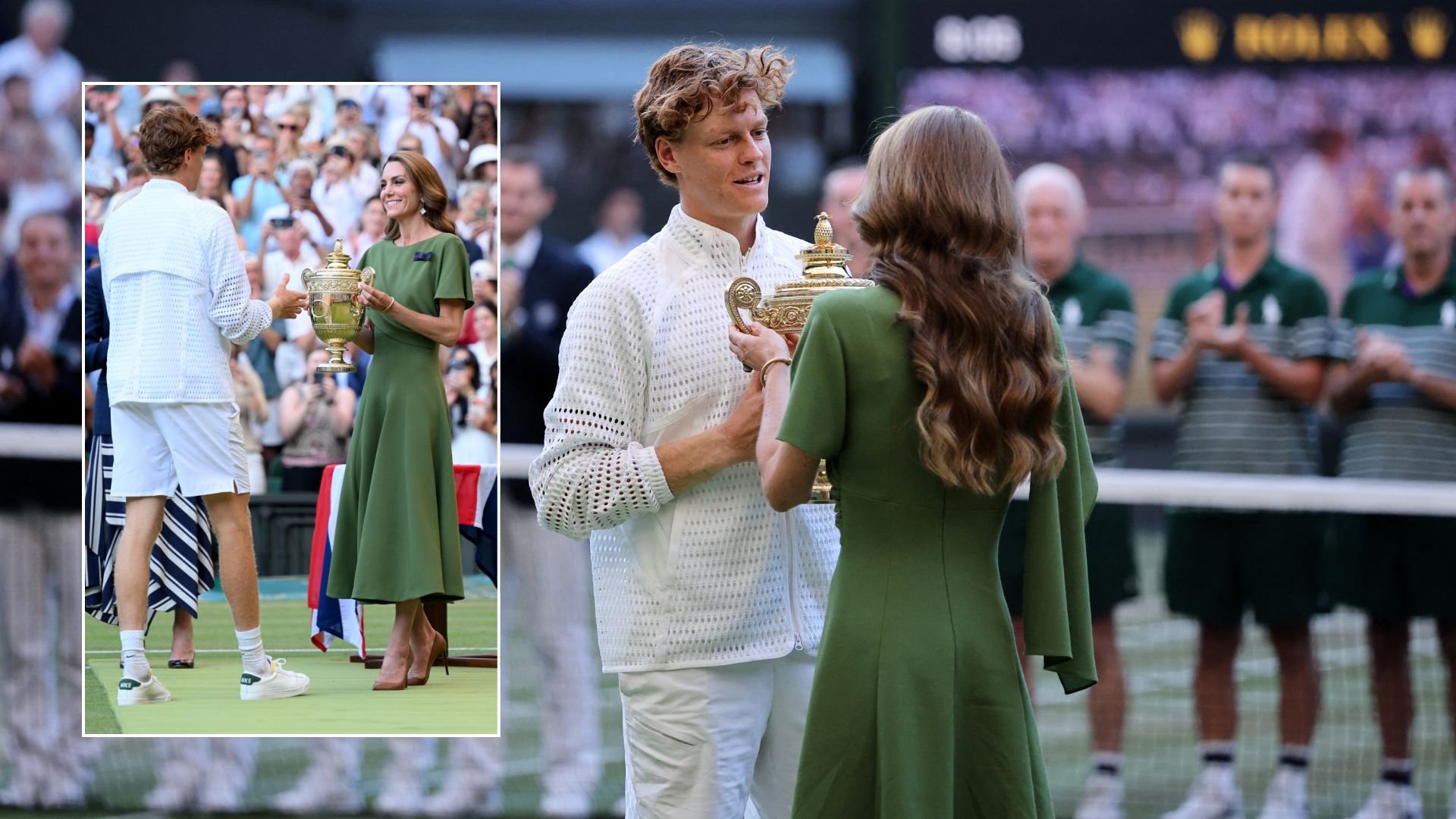
Jannik Sinner receives Gentlemen's Singles Trophy from Catherine after Italian defends Wimbledon title
How other outlets are covering this story
Compare narratives across 6 related reports from 6 sources. Real Narrative News aggregates the coverage spectrum so you can see who emphasises what — bias tags reflect the outlet, not the story.
Coverage bias distribution
6 sources
Left 17%
Center 17%
Right 33%
https://cdn.mos.cms.futurecdn.net/468oRmsak796WaimXBHwL9.png
· Jul 2, 2026
New synthetic cells tiptoe toward creating life
New synthetic cells tiptoe toward creating life
Futurism
· Jul 1, 2026
Scientists Build Fully Synthetic Life Form That Can Eat and Reproduce
We’re hoping we’re really starting the true age of bioeconomy, enabling technology that will let people engineer biology. The post Scientists Build Fully Synthetic Life Form That Can Eat and Reproduce appeared first on Futurism.
Ars Technica
· Jun 25, 2026
New effort will get genome sequences for entire Endangered Species list
Colossal Biosciences will be biobanking tissues from all of them as well.
The Eastern Herald
· Jul 1, 2026
Scientists Build the First Synthetic Cell That Can Grow, Divide and Compete
University of Minnesota scientists say a synthetic cell called SpudCell, built entirely from non-living chemical components, has completed a full biological life cycle for the first time, growing, replicating its DNA and dividing into daughter cells without starting from any living organism.
Daily Mail
· Jul 2, 2026
Scientists BUILD a cell from scratch: Synthetic organism can feed, grow, copy its DNA and divide in world-first breakthrough
Scientists BUILD a cell from scratch: Synthetic organism can feed, grow, copy its DNA and divide in world-first breakthrough
Russia Today
· Jul 2, 2026
Synthetic cell marks new step toward artificial life – researchers
Scientists have developed a synthetic cell that copies DNA and divides, according to University of Minnesota researchers Read Full Article at RT.com
Topics:
Related coverage for "Synthetic biology may finally be ready to solve life's biggest mystery": https://cdn.mos.cms.futurecdn.net/468oRmsak796WaimXBHwL9.png — New synthetic cells tiptoe toward creating life . Futurism — Scientists Build Fully Synthetic Life Form That Can Eat and Reproduce. Ars Technica — New effort will get genome sequences for entire Endangered Species list. The Eastern Herald — Scientists Build the First Synthetic Cell That Can Grow, Divide and Compete. Daily Mail — Scientists BUILD a cell from scratch: Synthetic organism can feed, grow, copy its DNA and divide in world-first breakthrough. Russia Today — Synthetic cell marks new step toward artificial life – researchers