
Today in News History
On July 12, several notable moments in the history of News stand out. In 1789, In response to the dismissal of the French finance minister Jacques Necker, the radical journalist Camille Desmoulins gives a speech which results in the storming of the Bastille two days later. In 1813, Claude Bernard, French physiologist and academic (died 1878) was born. In 1850, Otto Schoetensack, German anthropologist and academic (died 1912) was born. In 1895, Kirsten Flagstad, Norwegian soprano (died 1962) was born. In 1900, Marcel Paul, French communist politician and Holocaust survivor (died 1982) was born. In 1902, Günther Anders, German philosopher and journalist (died 1992) was born. In 1928, Elias James Corey, American chemist and academic, Nobel Prize laureate was born. In 1950, Gilles Meloche, Canadian ice hockey player and coach was born. In 1959, David Brown, Australian meteorologist was born. In 2006, The 2006 Lebanon War begins. Together, these milestones provide historical context for today's news news and ongoing narratives.
Swiss glaciers shrink as climate crisis fuels extreme heat across Europe
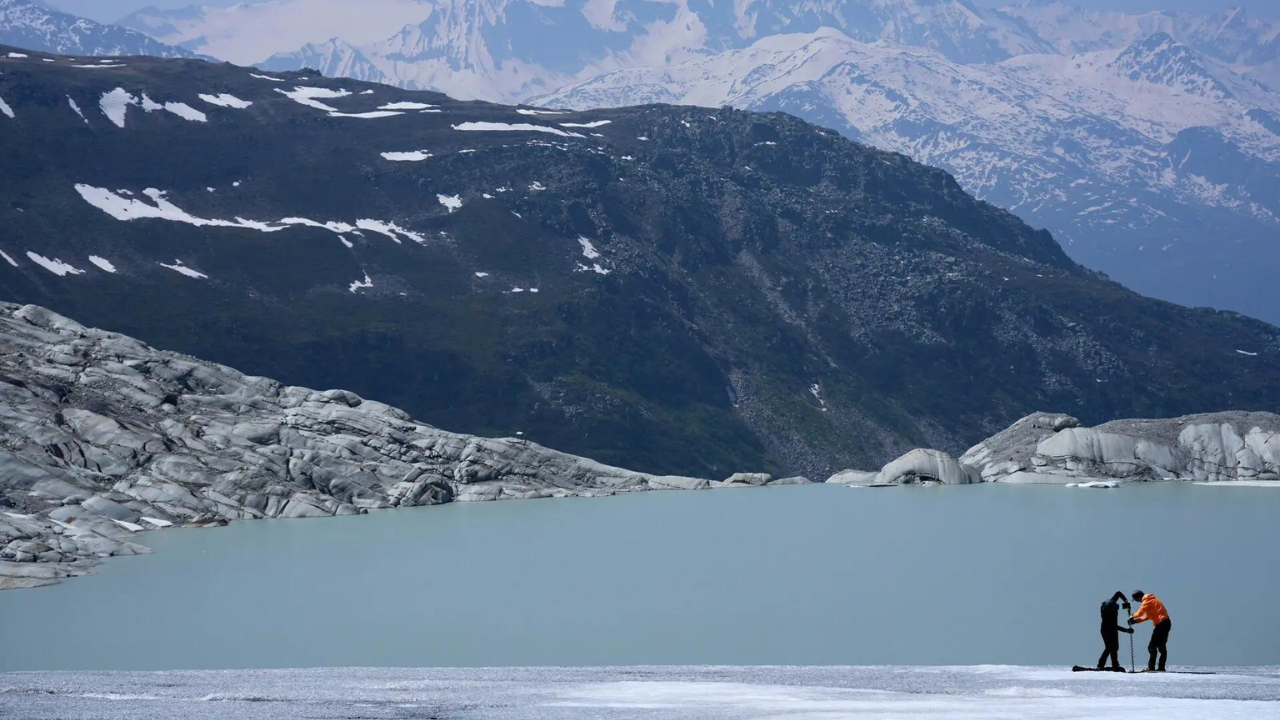
Switzerland's glaciers are facing unprecedented melting, with glacier loss day arriving exceptionally early this year due to a prolonged European heatwave, warm May, and insufficient winter snowfall. Experts warn that this rapid ice loss, exacerbated by persistent high temperatures, mirrors the dire conditions of 2022 and threatens to leave only remnants of glaciers by 2100, impacting vital European river systems.
Narrative Intelligence Brief
This article was published by Times of India, a source frequently categorized with a lean right bias based in India. Our narrative intelligence engine continuously monitors coverage from this outlet to track framing, bias, and rhetorical patterns. Our initial algorithmic scan of this specific piece did not flag high-confidence rhetorical techniques, suggesting a generally straightforward reporting style or neutral framing. By understanding the editorial perspective of Times of India, readers can better contextualize the information presented and compare it across our broader media matrix to find the real narrative.
More from Times of India
July 12, 2026
Watch: Bison flings man eight feet into air in dramatic attack at US Yellowstone National Park
July 12, 2026
Former UK politician Ann Widdecombe murder probe: Police arrest 28-year-old man
July 12, 2026
Qatar’s former Emir Sheikh Hamad bin Khalifa Al Thani passes away at 74
July 12, 2026
Canada gives share of bridge profits to US to get Trump nod
July 12, 2026
Bangladesh bars media from publishing Hasina statements
Analysis Methodology
This narrative analysis was generated using the CoDataLab Global Intelligence Engine. Our proprietary AI scans thousands of cross-border sources to identify sentiment patterns, framing techniques, and potential media bias. While AI provides the data-driven foundation, our objective is to empower readers with additional context beyond the standard headline.The content displayed above is a structured summary designed for rapid information processing. For the full original report, please visit the source outlet.More Coverage
Discussion
"cup semifinal"
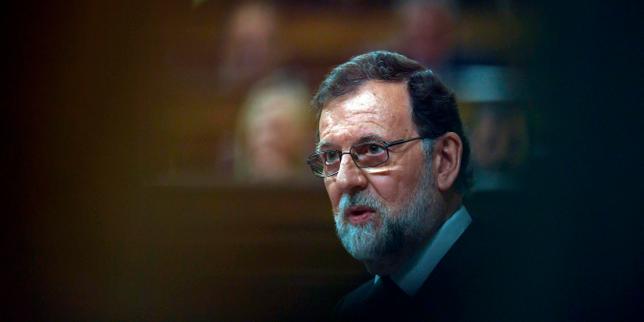
Former Spanish PM Rajoy makes racist remarks about France's football team
[Photo] JUST IN: 🇦🇷 Argentina officially advances to the FIFA World Cup semifinal after defeat [...]

Argentina's hero: "We are just two steps away from the goal"

How other outlets are covering this story
Compare narratives across 6 related reports from 6 sources. Real Narrative News aggregates the coverage spectrum so you can see who emphasises what — bias tags reflect the outlet, not the story.
Coverage bias distribution
6 sources
Left 33%
Center 50%
Right 17%
Arise News
· Jun 24, 2026
France Braces For More Extreme Heat As Europe-Wide Heatwave Intensifies
Record temperatures grip Europe as heat alerts expand, wildfires spread and authorities warn of growing risks.
Fark
· Jun 26, 2026
Scientists: There is no other way to explain the extreme heat Europe is experiencing besides climate change. Conservatives: BUT IT SNOWED LAST WINTER [Obvious]
[link] [31 comments]
Skift
· Jun 24, 2026
Heat Wave Hits Some of Europe’s Top Tourist Attractions
Europe faces record-high temperatures just as its peak travel season ramps up.
RTÉ News
· Jun 27, 2026
Temperature records broken in Europe, heatwave moves east
From Scandinavia to the Alps, Europeans endured sweltering conditions with temperatures breaching 40C in some parts.
UrduPoint
· Jun 29, 2026
Record-breaking heat spreads through Europe
Record-breaking heat spreads through Europe
Reuters
· Jun 23, 2026
How unusual is Europe's intense heatwave?
European countries including France, Britain, Italy and Spain have been sweltering in extreme heat this week, and the continent is warming at more than twice the global average, according to the World Meteorological Organization. The new Reuters Climate Monitor tracks just how abnormal the current high temperatures are. #heatwave #europe #climate #climatechange #extremeweather
Topics:
Related coverage for "Swiss glaciers shrink as climate crisis fuels extreme heat across Europe": Arise News — France Braces For More Extreme Heat As Europe-Wide Heatwave Intensifies. Fark — Scientists: There is no other way to explain the extreme heat Europe is experiencing besides climate change. Conservatives: BUT IT SNOWED LAST WINTER [Obvious]. Skift — Heat Wave Hits Some of Europe’s Top Tourist Attractions. RTÉ News — Temperature records broken in Europe, heatwave moves east. UrduPoint — Record-breaking heat spreads through Europe. Reuters — How unusual is Europe's intense heatwave?