Today in News History
On June 17, several notable moments in the history of News stand out. In 1932, Bonus Army: Around a thousand World War I veterans amass at the United States Capitol as the U.S. Senate considers a bill that would give them certain benefits. In 1951, Starhawk, American author and activist was born. In 1958, Sam Hamad, Syrian-Canadian academic and politician was born. In 1966, Mohammed Ghazy Al-Akhras, Iraqi journalist and author was born. In 1967, Nuclear weapons testing: China announces a successful test of its first thermonuclear weapon. In 1974, Refik Koraltan, Turkish lawyer and politician, 8th Speaker of the Grand National Assembly of Turkey (born 1889) passed away. In 1985, Space Shuttle program: STS-51-G mission: Space Shuttle Discovery launches carrying Sultan bin Salman bin Abdulaziz Al Saud, the first Arab and first Muslim in space, as a payload specialist. In 1992, A "joint understanding" agreement on arms reduction is signed by U.S. President George Bush and Russian President Boris Yeltsin (this would be later codified in START II). In 2015, Süleyman Demirel, Turkish engineer and politician, 9th President of Turkey (born 1924) passed away. In 2021, Juneteenth National Independence Day, was signed into law by President Joe Biden, to become the first federal holiday established since Martin Luther King Jr. Day in 1983. Together, these milestones provide historical context for today's news news and ongoing narratives.
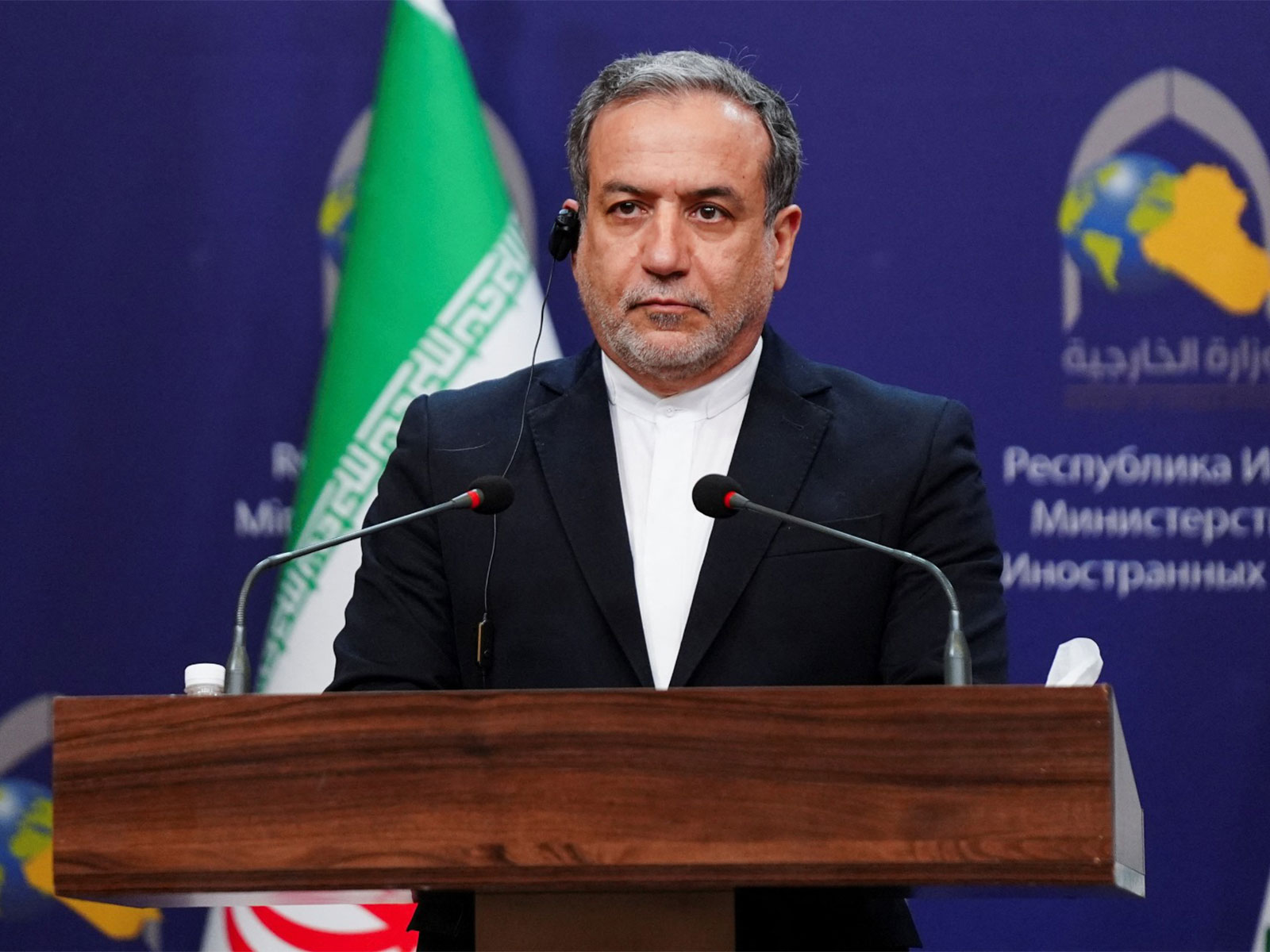
Starmer and G7 urge robust agreement to follow Trump’s Iran ‘breakthrough’ deal

The group also backed the UK-French led effort to facilitate shipping through the key shipping lane.
Narrative Intelligence Brief
This article was published by The Standard, a source frequently categorized with a lean right bias based in United Kingdom. Our narrative intelligence engine continuously monitors coverage from this outlet to track framing, bias, and rhetorical patterns. Our initial algorithmic scan of this specific piece did not flag high-confidence rhetorical techniques, suggesting a generally straightforward reporting style or neutral framing. By understanding the editorial perspective of The Standard, readers can better contextualize the information presented and compare it across our broader media matrix to find the real narrative.
More from The Standard
June 17, 2026
Kate returns to Royal Ascot for first time since cancer treatment
June 17, 2026
Transfer news LIVE: Rogers wants Arsenal, Alvarez swap; Van Hecke deal; Tonali price; Man Utd, Chelsea latest
June 17, 2026
Heatwave forecast for parts of UK as some areas could be hotter than Barbados
June 17, 2026
River City actor raped woman during holiday in Lake District, court told
June 17, 2026
Health worker cautioned after Kate’s medical records offered for financial gain
Analysis Methodology
This narrative analysis was generated using the CoDataLab Global Intelligence Engine. Our proprietary AI scans thousands of cross-border sources to identify sentiment patterns, framing techniques, and potential media bias. While AI provides the data-driven foundation, our objective is to empower readers with additional context beyond the standard headline.The content displayed above is a structured summary designed for rapid information processing. For the full original report, please visit the source outlet.More Coverage
Discussion