
Today in News History
On June 17, several notable moments in the history of News stand out. In 1571, Thomas Mun, English writer on economics (died 1641) was born. In 1942, Roger Steffens, American actor and producer was born. In 1947, Paul Young, English singer-songwriter (died 2000) was born. In 1955, Cem Hakko, Turkish fashion designer and businessman was born. In 1960, The Nez Perce tribe is awarded $4 million for 7 million acres (28,000 km2) of land undervalued at four cents/acre in the 1863 treaty. In 1966, Tory Burch, American fashion designer and philanthropist was born. In 1982, Roberto Calvi, Italian banker (born 1920) passed away. In 1989, Interflug Flight 102 crashes during a rejected takeoff from Berlin Schönefeld Airport, killing 21 people. In 2001, Thomas Winning, Scottish cardinal (born 1925) passed away. In 2008, Cyd Charisse, American actress and dancer (born 1922) passed away. Together, these milestones provide historical context for today's news news and ongoing narratives.
SpaceX (SPCX) Debuts At $2 Trillion Valuation, But Starship Remains The Make-Or-Break Bet

SpaceX (SPCX) closed its first day of public trading above a 2 trillion valuation, immediately drawing scrutiny over whether its most ambitious growth thesis can actually be delivered. The company already generates meaningful revenue through its Starlink satellite internet service and commercial launch operations, giving investors a concrete foundation beyond pure speculation. However, the core [] The post SpaceX (SPCX) Debuts At 2 Trillion Valuation, But Starship Remains The Make-Or-Break Bet appeared first on Foreign Policy Journal.
Narrative Intelligence Brief
This article was published by Foreign Policy Journal, a source frequently categorized with a left bias based in United States of America. Our narrative intelligence engine continuously monitors coverage from this outlet to track framing, bias, and rhetorical patterns. Our initial algorithmic scan of this specific piece did not flag high-confidence rhetorical techniques, suggesting a generally straightforward reporting style or neutral framing. By understanding the editorial perspective of Foreign Policy Journal, readers can better contextualize the information presented and compare it across our broader media matrix to find the real narrative.
More from Foreign Policy Journal
June 17, 2026
Missouri Skydiving Plane Crash Kills Twelve Near Butler Memorial Airport, NTSB Investigates
June 16, 2026
Taiwan Semiconductor Manufacturing (NYSE: TSM) Draws Hedge Fund Confidence With AI Growth Outlook
June 16, 2026
Novo Nordisk A/S (NYSE: NVO) Faces Earnings Pressure As Investors Weigh Near-Term Outlook
June 16, 2026
SoundHound AI (NASDAQ: SOUN) Pursues Aggressive Acquisition Strategy Despite Mounting Losses
June 16, 2026
Quantinuum’s IPO Puts (NYSE: IONQ) IonQ, (NASDAQ: RGTI) Rigetti, And (NYSE: QBTS) D-Wave Under Pressure
Analysis Methodology
This narrative analysis was generated using the CoDataLab Global Intelligence Engine. Our proprietary AI scans thousands of cross-border sources to identify sentiment patterns, framing techniques, and potential media bias. While AI provides the data-driven foundation, our objective is to empower readers with additional context beyond the standard headline.The content displayed above is a structured summary designed for rapid information processing. For the full original report, please visit the source outlet.More Coverage
Discussion
"donald trump"
Trump Says Iran Deal Makes Nuclear Weapon Ban “Loud and Clear” as Iranian Regime Vows Revenge Over Khamenei Killing
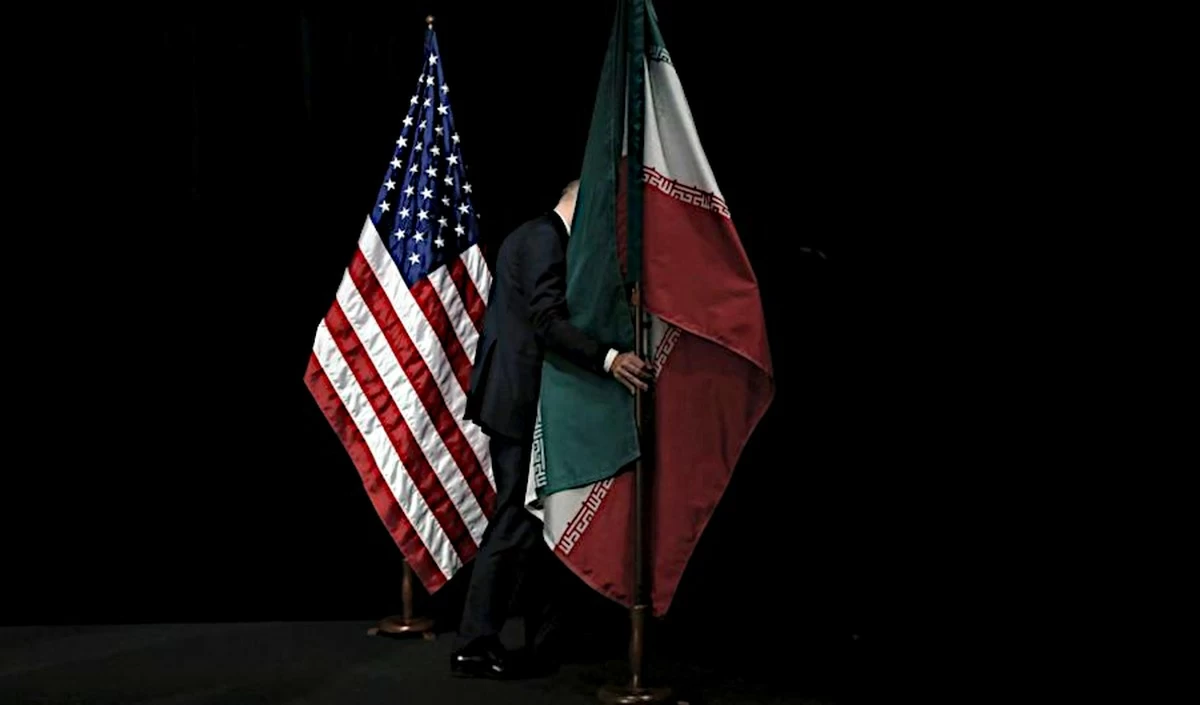
‘Humiliation’: Donald Trump battles claims his Iran deal is worse than Obama’s

Woeful Dems sing about fascism during Trump’s Freedom 250 counter program
