
Today in News History
On July 12, several notable moments in the history of News stand out. In 1488, Joseon Dynasty official Choe Bu returned to Korea after months of shipwrecked travel in China. In 1879, Han Yong-un, Korean poet (died 1944) was born. In 1918, The Imperial Japanese Navy battleship Kawachi blows up at Shunan, western Honshu, Japan, killing at least 621. In 1967, Riots begin in Newark, New Jersey. In 1969, Chantal Jouanno, French politician, French Minister of Youth Affairs and Sports was born. In 1970, Lee Byung-hun, South Korean actor, singer, and dancer was born. In 2006, The 2006 Lebanon War begins. In 2008, Tony Snow, American journalist, 26th White House Press Secretary (born 1955) passed away. In 2012, Syrian Civil War: Government forces target the homes of rebels and activists in Tremseh and kill anywhere between 68 and 150 people. In 2015, Chenjerai Hove, Zimbabwean journalist, author, and poet (born 1956) passed away. Together, these milestones provide historical context for today's news news and ongoing narratives.
South Korea ‘fake news’ law triggers free speech, censorship fears
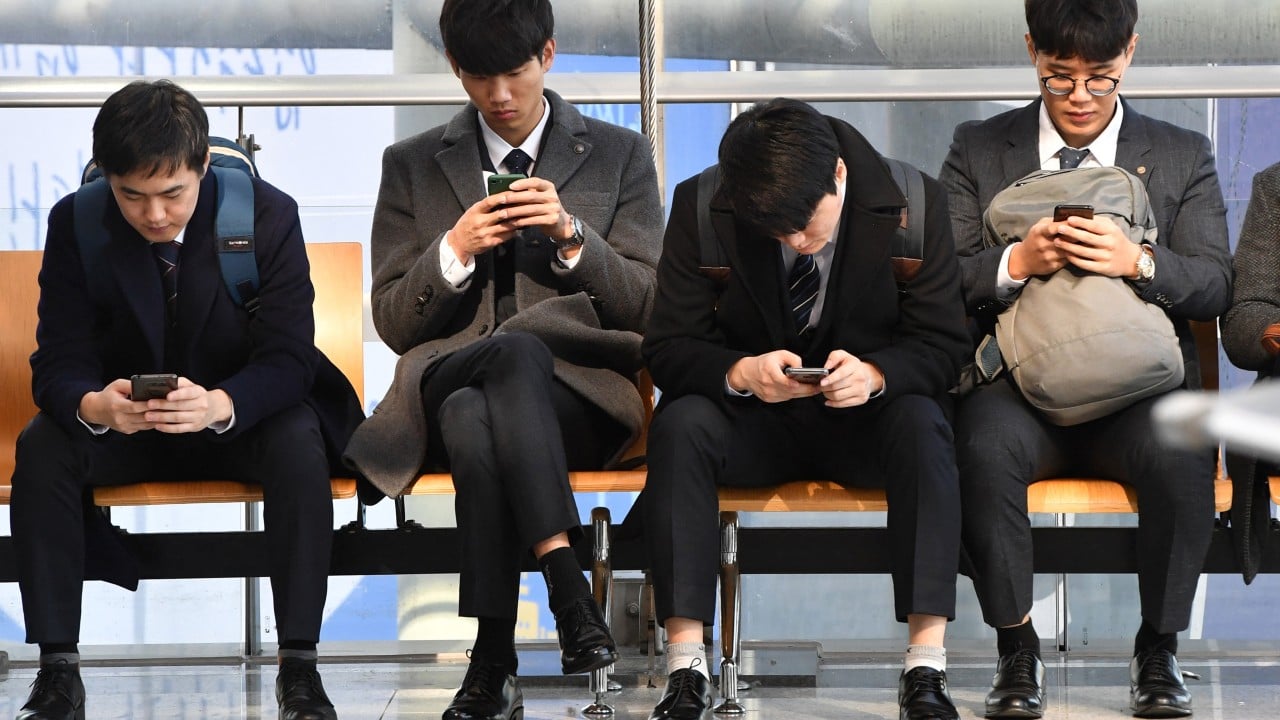
A viral YouTube video, a one-star review on a delivery app, a heated post on a parenting community – all of these will fall under the same legal standard in South Korea starting next Tuesday. The revised Information and Communications Network Act, widely known as the “fake news” law, introduces punitive damages for YouTubers with more than 100,000 subscribers and high-traffic TikTok accounts if they display what authorities define as “unlawful” content. Platforms such as Naver, Kakao, Google and...
Narrative Intelligence Brief
This article was published by South China Morning Post, a source frequently categorized with a lean left bias based in Hong Kong. Our narrative intelligence engine continuously monitors coverage from this outlet to track framing, bias, and rhetorical patterns. Our initial algorithmic scan of this specific piece did not flag high-confidence rhetorical techniques, suggesting a generally straightforward reporting style or neutral framing. By understanding the editorial perspective of South China Morning Post, readers can better contextualize the information presented and compare it across our broader media matrix to find the real narrative.
More from South China Morning Post
July 12, 2026
Hong Kong police arrest 9 in crackdown on dangerous driving
July 12, 2026
US senator and Trump ally Lindsey Graham dies after sudden illness
July 12, 2026
Fifa World Cup: Hong Kong pubs, restaurants enjoy net gains from big matches
July 12, 2026
Gulf capital flowing into Asia as Hong Kong-Middle East trade up 35%: Paul Chan
July 12, 2026
Sheikh Hamad bin Khalifa Al Thani, who raised Qatar’s global profile, dies at 74
Analysis Methodology
This narrative analysis was generated using the CoDataLab Global Intelligence Engine. Our proprietary AI scans thousands of cross-border sources to identify sentiment patterns, framing techniques, and potential media bias. While AI provides the data-driven foundation, our objective is to empower readers with additional context beyond the standard headline.The content displayed above is a structured summary designed for rapid information processing. For the full original report, please visit the source outlet.More Coverage
Discussion
"england"
Tuchel angry at 'lucky' England - but Bellingham defends players

Tuchel angry at 'lucky' England - but Bellingham defends players

‘A dangerous movie’: Glenn Beck warns ‘Citizen Vigilante’ signals a dark moral shift after Germany bans it

How other outlets are covering this story
Compare narratives across 6 related reports from 6 sources. Real Narrative News aggregates the coverage spectrum so you can see who emphasises what — bias tags reflect the outlet, not the story.
Coverage bias distribution
6 sources
Left 33%
Center 33%
Right 33%
Korea Times News
· Jul 7, 2026
[Q&A] Korea's 'fake news' law is in force — what you need to know
[Q&A] Korea's 'fake news' law is in force — what you need to know
Borneo Bulletin
· Jul 7, 2026
South Korean law targeting ‘fake news’ takes effect
South Korean law targeting ‘fake news’ takes effect
Utusan Malaysia
· Jul 7, 2026
Tiada undang-undang beri kebebasan mutlak
KUALA LUMPUR: Tiada mana-mana undang-undang di dunia yang memberikan kebebasan mutlak kepada media untuk melaporkan atau menyatakan apa sahaja tanpa sebarang batasan. Perdana Menteri, Datuk Seri Anwar Ibrahim berkata, kebebasan media tetap tertakluk kepada undang-undang yang berkuat kuasa, termasuk membabitkan Perdana Menteri serta pengamal media “Tidak ada yang saya tahu, undang undang di dunia yang ... Read more The post Tiada undang-undang beri kebebasan mutlak appeared first on Utusan Malaysia.
Reclaim the Net
· Jul 10, 2026
South Korea’s Fake News Law Puts a Price on Online Speech
Washington calls it censorship, the opposition calls it a gag law, and the ruling party calls it protection. The post South Korea’s Fake News Law Puts a Price on Online Speech appeared first on Reclaim The Net: Free Speech, Privacy, Digital Rights.
The Next Web
· Jul 7, 2026
South Korea’s ‘fake news’ law is live, and it can cost you five times the damage
Post something a South Korean court later rules false, and it could cost you five times the damage. The country’s new “fake news” law is now in force, and journalists are alarmed. South Korea has begun enforcing a tough law against false information online, the Associated Press reports. Courts can now award punitive damages of [] This story continues at The Next Web
KSAT San Antonio
· Jul 7, 2026
South Korean law targeting 'fake news' takes effect as journalists' groups raise concerns
South Korea is enforcing a law that allows steep punitive damages against news outlets and social media influencers for spreading false information as journalist groups warned it could chill public discourse and invite censorship.
Topics:
Related coverage for "South Korea ‘fake news’ law triggers free speech, censorship fears": Korea Times News — [Q&A] Korea's 'fake news' law is in force — what you need to know. Borneo Bulletin — South Korean law targeting ‘fake news’ takes effect. Utusan Malaysia — Tiada undang-undang beri kebebasan mutlak. Reclaim the Net — South Korea’s Fake News Law Puts a Price on Online Speech. The Next Web — South Korea’s ‘fake news’ law is live, and it can cost you five times the damage. KSAT San Antonio — South Korean law targeting 'fake news' takes effect as journalists' groups raise concerns