
Something is causing tick populations to explode in these states—and experts are alarmed
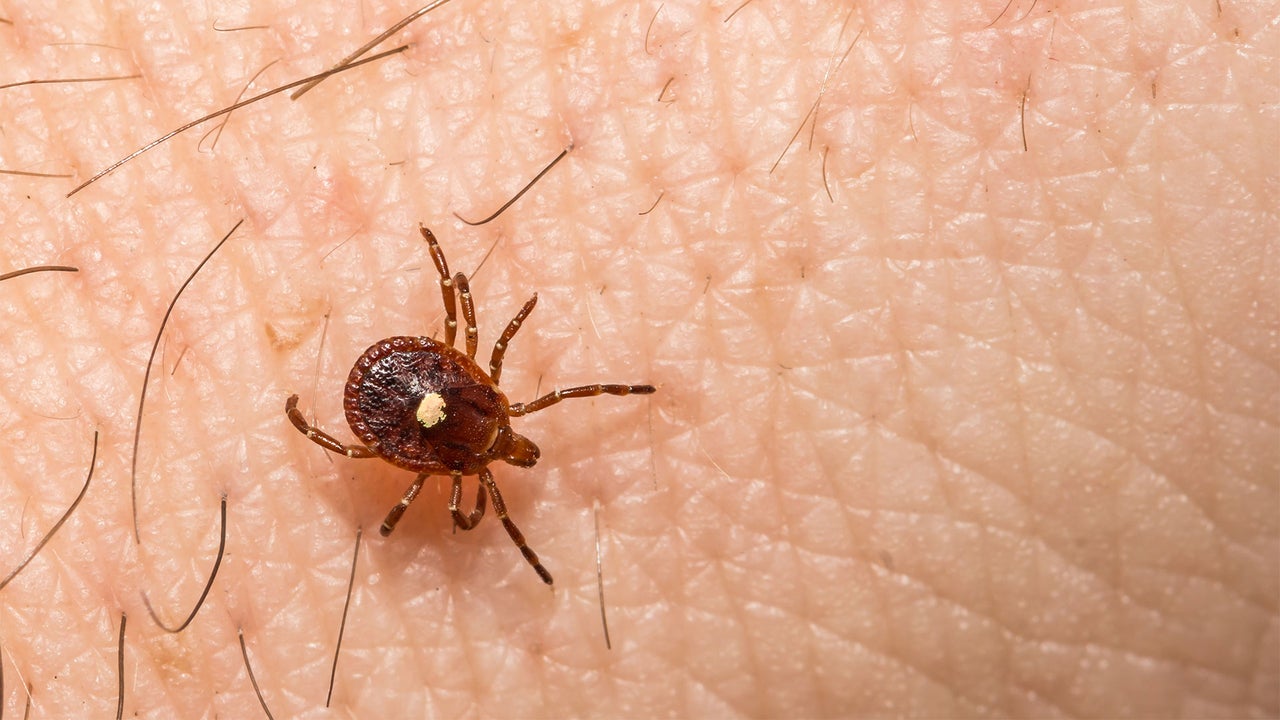
As tick season rolls around, residents of tick-prone areas in the U.S. are readying to protect themselves from the illness-spreading arachnids. But the impact of the exploding tick population might be more widespread than before. Residents in the Northeast and Upper Midwest of the U.S. are no strangers to ticks. But according to the MyWild 2026 tick forecast—which provides risk outlooks for ticks based on current climate patterns and surveillance data—tick populations are spreading beyond the traditional endemic zone. Tennessee, Virginia, West Virginia, Kentucky, Ohio, and Maryland are likely to see a surge in ticks, with the blame falling on last winter’s conditions. According to experts, snow serves as a sort of insulator, allowing the ground to stay warmer than the surrounding air, making conditions less harsh for ticks. Additionally, the South saw higher-than-average temperatures, which allowed ticks to propagate. Often spread by tick-carrying animals like deer, the parasites are dangerous to humans and domestic pets. Ticks can spread bacteria and viruses leading to severe illnesses, including encephalitis, Rocky Mountain spotted fever, and Lyme disease (the latter a bacterial infection that can cause skin lesions, fatigue, fever, and chills and, if left untreated, can manifest in joint pain, arthritis, and neurological and heart disorders). Lyme may be most well known since A-list celebrities such as Justin Bieber and Bella Hadid have shared their diagnoses with the public. Emergency room visits related to tick bites have already surged this year, doubling the historical average. The Centers for Disease Control and Prevention Bite Tracker reported 71 out of 100,000 emergency room visits were tick-related in April 2026. While ticks are prevalent, there are a number of safety measures individuals can take to mitigate their risk of exposure. A fence around the house, according to experts, helps keep tick-carrying animals off the property. In case ticks are already present on your property, routinely maintaining your yard by cutting the grass short and using gravel in your landscape may help keep pests at bay by inhibiting a comfortable shaded and humid environment. Topical solutions like cedar spray work to repel ticks, and should be used along corners, fences, and entry points where wildlife may enter the property. Repellent plants like lavender and rosemary may also be effective. If you plan to be outdoors where ticks are likely present, wearing protective clothing and using a safe repellant approved by the Environmental Protection Agency is a must.
Narrative Intelligence Brief
This article was published by Fast Company, a source frequently categorized with a lean left bias based in United States of America. Our narrative intelligence engine continuously monitors coverage from this outlet to track framing, bias, and rhetorical patterns. Our initial algorithmic scan of this specific piece did not flag high-confidence rhetorical techniques, suggesting a generally straightforward reporting style or neutral framing. By understanding the editorial perspective of Fast Company, readers can better contextualize the information presented and compare it across our broader media matrix to find the real narrative.
Explore related topics: Stay informed with Real Narrative News as we track unfolding stories. Dive deeper into our coverage of pivotal topics including marjane satrapi, real madrid, مراسل المنار, henry nowak, iran war, war powers, إطلاق النار, جنوب لبنان, nba finals, and mit israel. Our intelligence streams continuously monitor these keywords to bring you unbiased analysis and real-time updates on topics like "Something is causing tick populations to explode in these states—and experts are alarmed".
More from Fast Company
June 4, 2026
The new rules of work: Multigenerational workplaces in the Gen Z era
June 4, 2026
CrowdStrike Holdings stock split: Date, timeline, and what it means for CRWD investors going forward
June 4, 2026
Quantinuum IPO: QNT stock is listing on the Nasdaq today in a closely watched quantum computing debut
June 4, 2026
A Ukrainian drone attack reveals the limits of laser warfare
June 4, 2026
Delta just added a major new perk to its Amex cards—and travelers are going to love it
Analysis Methodology
This narrative analysis was generated using the CoDataLab Global Intelligence Engine. Our proprietary AI scans thousands of cross-border sources to identify sentiment patterns, framing techniques, and potential media bias. While AI provides the data-driven foundation, our objective is to empower readers with additional context beyond the standard headline.The content displayed above is a structured summary designed for rapid information processing. For the full original report, please visit the source outlet.More Coverage
Discussion