
Today in News History
On June 23, several notable moments in the history of News stand out. In 1884, Cyclone Taylor, Canadian ice hockey player and politician (died 1979) was born. In 1958, John Hayes, English politician, Minister of State at the Department of Energy and Climate Change was born. In 1967, Cold War: U.S. President Lyndon B. Johnson meets with Soviet Premier Alexei Kosygin in Glassboro, New Jersey for the three-day Glassboro Summit Conference. In 1973, A fire at a house in Hull, England, which kills a six-year-old boy is passed off as an accident; it later emerges as the first of 26 deaths by fire caused over the next seven years by serial arsonist Peter Dinsdale. In 1985, A terrorist bomb explodes at Narita International Airport near Tokyo, killing two and injuring four. An hour later, the same group detonates a second bomb aboard Air India Flight 182, bringing the Boeing 747 down off the coast of Ireland killing all 329 aboard. In 2012, Alan McDonald, Northern Ireland footballer and manager (born 1963) passed away. In 2013, Militants storm a high-altitude mountaineering base camp near Nanga Parbat in Gilgit-Baltistan, Pakistan, killing ten climbers and a local guide. In 2014, The last of Syria's declared chemical weapons are shipped out for destruction. In 2017, A series of terrorist attacks take place in Pakistan, resulting in 96 deaths and wounding 200 others. In 2018, Twelve boys and an assistant coach from a soccer team in Thailand are trapped in a flooding cave, leading to an 18-day rescue operation. Together, these milestones provide historical context for today's news news and ongoing narratives.
Some UK schools to close amid extreme heat warnings

A heat-dome settling over western Europe has led to a rare red weather warning for extreme heat in parts of England and Wales.
Narrative Intelligence Brief
This article was published by The West Australian, a source frequently categorized with a lean right bias based in Australia. Our narrative intelligence engine continuously monitors coverage from this outlet to track framing, bias, and rhetorical patterns. Our initial algorithmic scan of this specific piece did not flag high-confidence rhetorical techniques, suggesting a generally straightforward reporting style or neutral framing. By understanding the editorial perspective of The West Australian, readers can better contextualize the information presented and compare it across our broader media matrix to find the real narrative.
More from The West Australian
June 23, 2026
Man arrested over alleged bomb hoax on flight
June 23, 2026
North Korea will exercise its position as nuclear state
June 23, 2026
‘Special moment for our family’: Mavrik Geyer follows his famous father’s lead after signing with the Bears
June 23, 2026
Emergency services responding to crash between cyclist and car on Thomas Street in Subiaco
June 23, 2026
Anthony Albanese reacts to Keir Starmer’s resignation as UK Prime Minister in London
Analysis Methodology
This narrative analysis was generated using the CoDataLab Global Intelligence Engine. Our proprietary AI scans thousands of cross-border sources to identify sentiment patterns, framing techniques, and potential media bias. While AI provides the data-driven foundation, our objective is to empower readers with additional context beyond the standard headline.The content displayed above is a structured summary designed for rapid information processing. For the full original report, please visit the source outlet.More Coverage
Discussion
"iran war"
Trump accuses newspaper of ‘treason’ after it questioned what the Iran war had actually achieved
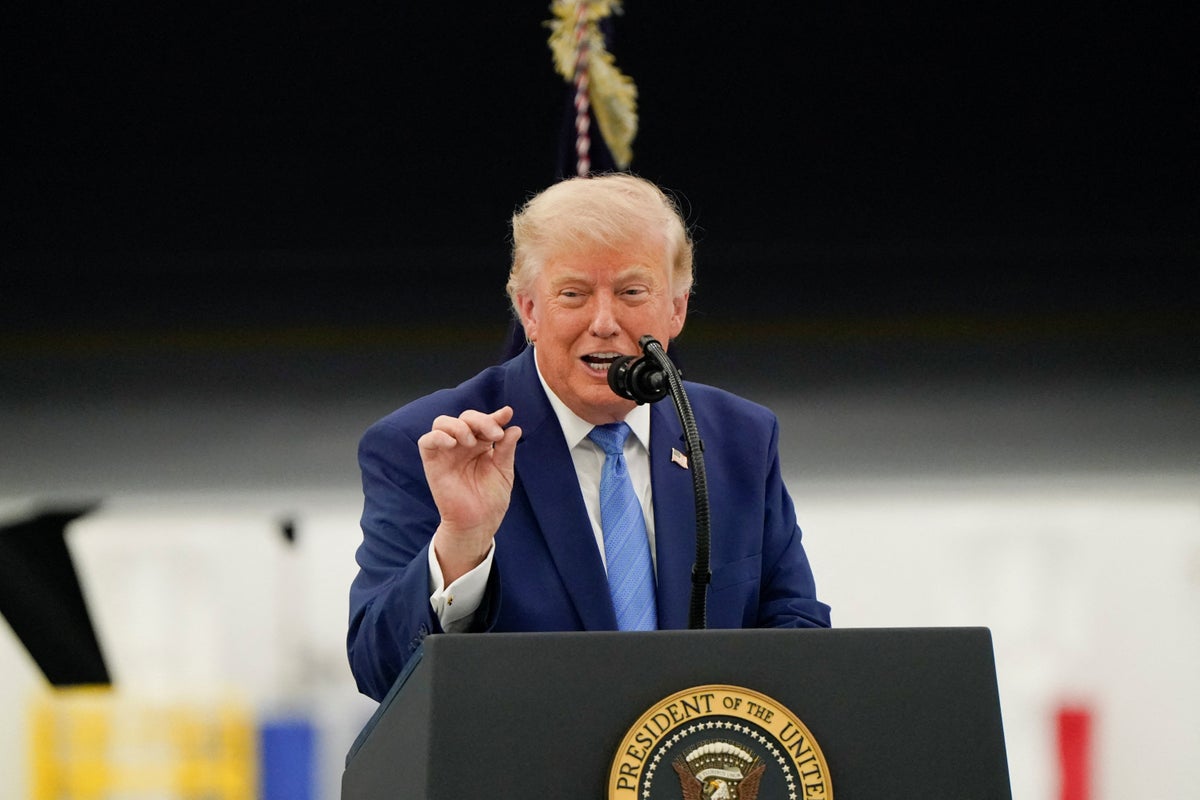
UK ‘did not like’ Starmer refusing to be drawn into Iran war, says Trump

We Parsed Trump’s Shifting Rhetoric on the Iran War
