Today in News History
On July 8, several notable moments in the history of News stand out. In 1099, Some 15,000 starving Christian soldiers begin the siege of Jerusalem by marching in a religious procession around the city as its Muslim defenders watch. In 1864, Ikedaya Incident: The Choshu Han shishi's planned Shinsengumi sabotage on Kyoto, Japan at Ikedaya. In 1876, The Hamburg massacre prior to the 1876 United States presidential election results in the deaths of six African-Americans of the Republican Party, along with one white assailant. In 1934, Raquel Correa, Chilean journalist (died 2012) was born. In 1947, Reports are broadcast that a UFO crash-landed in Roswell, New Mexico in what became known as the Roswell UFO incident. In 1968, The Chrysler wildcat strike begins in Detroit, Michigan. In 1980, Aeroflot Flight 4225 crashes near Almaty International Airport in the then Kazakh Soviet Socialist Republic (present day Kazakhstan) killing all 166 people on board. In 1988, The Island Express train travelling from Bangalore to Kanyakumari derails on the Peruman bridge and falls into Ashtamudi Lake, Kerala in India killing 105 passengers and injuring over 200 more. In 1993, Abul Hasan Jashori, Bangladeshi Islamic scholar and freedom fighter (born 1918) passed away. In 2003, Sudan Airways Flight 139 crashes near Port Sudan Airport during an emergency landing attempt, killing 116 of the 117 people on board. Together, these milestones provide historical context for today's news news and ongoing narratives.
Some health workers in Congo's Ebola outbreak go on strike over pay issues as deaths near 600
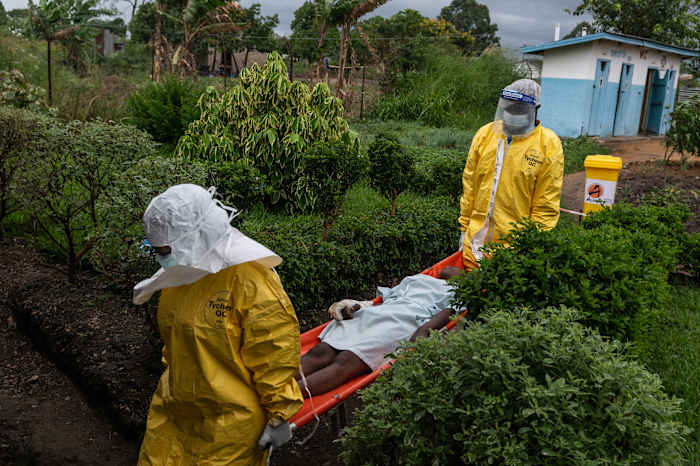
Healthcare workers at the epicenter of Congo’s Ebola outbreak are walking off their jobs to protest delays in their payments.
Narrative Intelligence Brief
This article was published by KSAT San Antonio, a source frequently categorized with a center bias based in United States of America. Our narrative intelligence engine continuously monitors coverage from this outlet to track framing, bias, and rhetorical patterns. Our initial algorithmic scan of this specific piece did not flag high-confidence rhetorical techniques, suggesting a generally straightforward reporting style or neutral framing. By understanding the editorial perspective of KSAT San Antonio, readers can better contextualize the information presented and compare it across our broader media matrix to find the real narrative.
More from KSAT San Antonio
July 8, 2026
Prepare to dodge a few downpours Saturday
July 8, 2026
Israeli strike kills World Cup screening organizer in Gaza just before kickoff
July 8, 2026
Russian attacks kill 3 across Ukraine, strikes Kyiv for second consecutive night
July 8, 2026
Funeral prayers in Iraq for Iranian supreme leader commence after body arrives in holy city
July 8, 2026
Oil prices jump nearly 6% after Trump says ceasefire with Iran is 'over'
Analysis Methodology
This narrative analysis was generated using the CoDataLab Global Intelligence Engine. Our proprietary AI scans thousands of cross-border sources to identify sentiment patterns, framing techniques, and potential media bias. While AI provides the data-driven foundation, our objective is to empower readers with additional context beyond the standard headline.The content displayed above is a structured summary designed for rapid information processing. For the full original report, please visit the source outlet.More Coverage
Discussion
"nato summit"
Bombshell Allegation Rocks Graham Platner’s Campaign

Morning Roundup: Fraud case exposes administrative weakness, US–Iran tensions reignite, and NATO summit begins
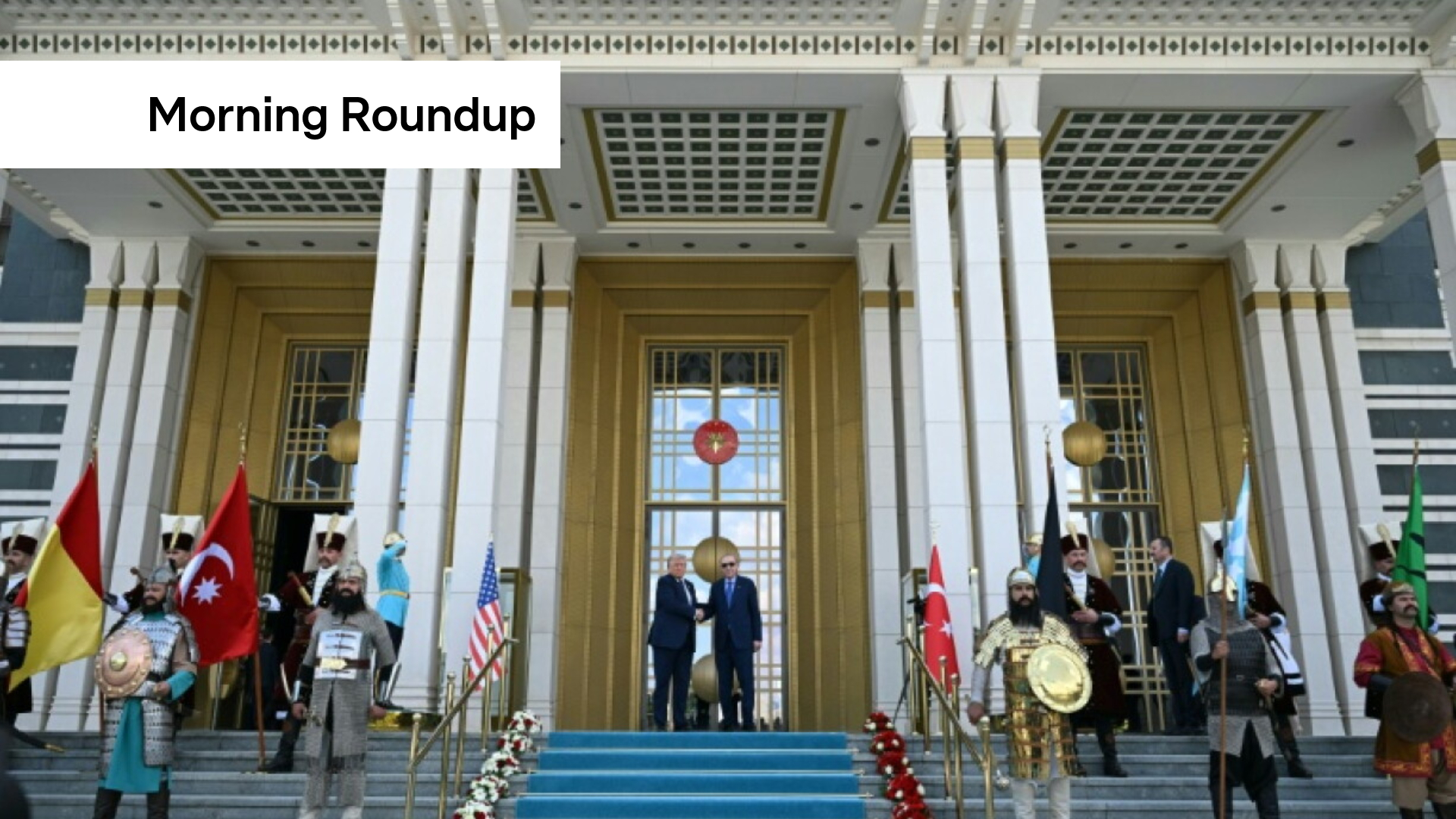
Trump hails Erdoğan 'chemistry,' renews criticism of NATO allies