
Today in News History
On July 12, several notable moments in the history of News stand out. In 1893, A revolution led by the liberal general and politician José Santos Zelaya takes over state power in Nicaragua. In 1937, Pai Hsien-yung, Chinese-Taiwanese author was born. In 1950, Pervez Hoodbhoy, Pakistani physicist and academic was born. In 1960, Congo Crisis: The State of Katanga breaks away from the Democratic Republic of the Congo. In 1962, Fumiya Fujii, Japanese music artist was born. In 1970, Sajjad Karim, English lawyer and politician was born. In 1978, Los Alfaques disaster: A truck carrying liquid gas crashes and explodes at a coastal campsite in Tarragona, Spain killing 216 tourists. In 1980, Kevin Powers, American soldier and author was born. In 1987, Yaakov Yitzchok Ruderman, American rabbi and scholar (born 1901) passed away. In 2015, Satoru Iwata, Japanese game programmer and businessman (born 1959) passed away. Together, these milestones provide historical context for today's news news and ongoing narratives.
Soft Power in a Post-Hegemonic World: Conceptual Crisis and New Actors of Cultural Influence
Narrative Analysis: Name Calling
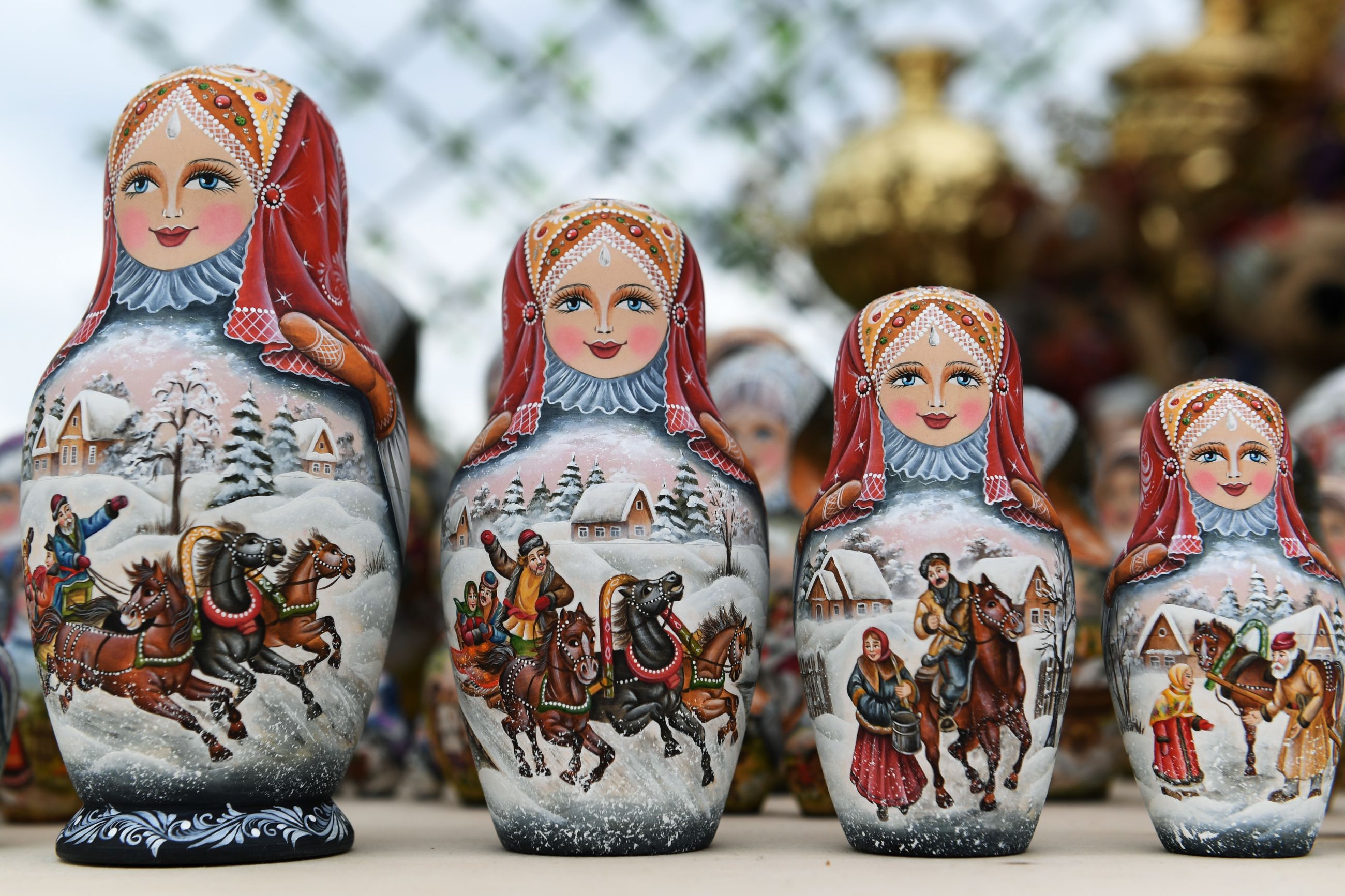
Tomorrow’s cultural diplomacy may be much less the work of states and specialised institutions and far more the domain of algorithms, platforms, and millions of individual users who never imagined themselves as practitioners of diplomacy. Cultural influence, then, is not disappearing—it is simply channelling itself through increasingly informal routes, writes Valdai Club Programme Director Anton Bespalov.
Narrative Intelligence Brief
This article was published by Valdai Discussion Club, a source frequently categorized with a center bias based in Russia. Our narrative intelligence engine continuously monitors coverage from this outlet to track framing, bias, and rhetorical patterns. In this specific piece, our systems detected the potential use of the "Name Calling" technique. This narrative approach is often used to shape reader perception by highlighting specific emotional or rhetorical angles. By understanding the editorial perspective of Valdai Discussion Club, readers can better contextualize the information presented and compare it across our broader media matrix to find the real narrative.
More from Valdai Discussion Club
July 9, 2026
Education Exports and the Competition for Minds
July 9, 2026
Safeguarding Regional Neutrality and Eurasian Connectivity in the South Caucasus
July 7, 2026
The Hormuz Crisis and the ‘Three Whales’ of the Oil Market
July 8, 2026
Competing Strategic Corridors and the Politics of Economic Integration in a Fragmenting World Order
July 7, 2026
Swimming Between Whales: The Hidden Strategic Costs of Geopolitical Conflict for Small Powers
Reliability Insights
P
Technique: Name Calling
System analysis detected use of specific narrative techniques in this piece.Analysis Methodology
This narrative analysis was generated using the CoDataLab Global Intelligence Engine. Our proprietary AI scans thousands of cross-border sources to identify sentiment patterns, framing techniques, and potential media bias. While AI provides the data-driven foundation, our objective is to empower readers with additional context beyond the standard headline.The content displayed above is a structured summary designed for rapid information processing. For the full original report, please visit the source outlet.More Coverage
Discussion
"cup semifinals"
Julian Alvarez's strike sends defending champion Argentina back to World Cup semifinals

World Cup 2026 Saturday takeaways: Jude Bellingham shines; Argentina takes advantage of Swiss flop

2026 World Cup Semifinal Odds: France, Argentina Favored In Final Four Tilts

How other outlets are covering this story
Compare narratives across 6 related reports from 6 sources. Real Narrative News aggregates the coverage spectrum so you can see who emphasises what — bias tags reflect the outlet, not the story.
Coverage bias distribution
6 sources
Left 50%
Center 17%
Right 33%
Quartz
· Jul 9, 2026
20 things countries made that ended up defining them internationally
Hollywood made America aspirational. K-pop made South Korea cool. Bollywood made India feel global. These are the specific cultural exports that shaped how nations are perceived
PragerU
· Jul 4, 2026
American culture has shaped the world. 🇺🇸
Discover how in American Exceptionalism 101. Link in bio. ⏩
Inc.com
· Jul 9, 2026
How a 20-Person Dinner Grew Into a Cultural Powerhouse Backed by Nike, Google, and Netflix
A smaller guest list, a greater reach, and a higher return.
Korea Times News
· Jul 4, 2026
The Korean Dystopia is a Western Coping Mechanism
The Korean Dystopia is a Western Coping Mechanism
Sky News Australia
· Jun 28, 2026
‘Cult of multiculturalism’ reaches Buckingham Palace
‘Spiked Online’ Editor Tom Slater claims multicultural ideology has now extended into the monarchy, pointing to changes within the Royal Household. “The cult of multiculturalism has captured even the monarchy,” Mr Slater told Sky News host James Macpherson. “This is something that’s probably been coming for quite some time. “This new job description that he’s put up on the palace website is really just a culmination of all that.”
Vanguard News
· Jun 21, 2026
Thoughts on Ojude Oba: When style was motion picture, culture identity
By Ayo Onikoyi In Ijebu-Ode this year, culture didn’t just show up – it moved. It moved through colour, through rhythm, through generations. It moved in the synchronized elegance of the regberegbe, in the confidence of tailored Aso-Oke, in the sound of drums echoing heritage into the present. At the centre of it all, Orijin [] The post Thoughts on Ojude Oba: When style was motion picture, culture identity appeared first on Vanguard News.
Topics:
Related coverage for "Soft Power in a Post-Hegemonic World: Conceptual Crisis and New Actors of Cultural Influence": Quartz — 20 things countries made that ended up defining them internationally. PragerU — American culture has shaped the world. 🇺🇸. Inc.com — How a 20-Person Dinner Grew Into a Cultural Powerhouse Backed by Nike, Google, and Netflix. Korea Times News — The Korean Dystopia is a Western Coping Mechanism. Sky News Australia — ‘Cult of multiculturalism’ reaches Buckingham Palace. Vanguard News — Thoughts on Ojude Oba: When style was motion picture, culture identity