Today in News History
On July 9, several notable moments in the history of News stand out. In 551, A major earthquake strikes Beirut, triggering a devastating tsunami that affects the coastal towns of Byzantine Phoenicia, causing thousands of deaths. In 1918, In Nashville, Tennessee, an inbound local train collides with an outbound express, killing 101 and injuring 171 people, making it the deadliest rail accident in United States history. In 1930, Buddy Bregman, American composer and conductor (died 2017) was born. In 1944, Tabassum, Indian actress and talk show host (died 2022) was born. In 1958, A 7.8 Mw strike-slip earthquake in Alaska causes a landslide that produces a megatsunami. The runup from the waves reached 525 m (1,722 ft) on the rim of Lituya Bay; five people were killed. In 1970, Trent Green, American football player and sportscaster was born. In 1982, Pan Am Flight 759 crashes in Kenner, Louisiana, killing all 145 people on board and eight others on the ground. In 1995, The Navaly church bombing is carried out by the Sri Lanka Air Force killing 125 Tamil civilian refugees. In 2006, One hundred and twenty-five people are killed when S7 Airlines Flight 778, an Airbus A310 passenger jet, veers off the runway while landing in wet conditions at Irkutsk Airport in Siberia. In 2022, John Gwynne, English reporter and commentator (born 1945) passed away. Together, these milestones provide historical context for today's news news and ongoing narratives.
SiriusXM down: Thousands report issues with satellite radio platform amid widespread outages

Nearly 5,000 users reported SiriusXM outages Wednesday. The company acknowledged the issue and said its team is actively working on a fix.
Narrative Intelligence Brief
This article was published by Hindustan Times, a source frequently categorized with a lean left bias based in India. Our narrative intelligence engine continuously monitors coverage from this outlet to track framing, bias, and rhetorical patterns. Our initial algorithmic scan of this specific piece did not flag high-confidence rhetorical techniques, suggesting a generally straightforward reporting style or neutral framing. By understanding the editorial perspective of Hindustan Times, readers can better contextualize the information presented and compare it across our broader media matrix to find the real narrative.
More from Hindustan Times
July 8, 2026
Where is Lance Twiggs now? Tyler Robinson’s former partner remains key witness in Charlie Kirk murder case
July 8, 2026
US strikes Iran again after Trump's ‘ceasefire over’ remark; port cities among key targets
July 8, 2026
Why is Donald Trump paying E Jean Carroll $5.8 million? Judge’s order after Supreme Court setback explained
July 8, 2026
Is Counter Strike 2 down? Thousands report server problems with Valve's popular FPS game
July 8, 2026
Who is Robert Smith? Coney Island mass shooting suspect identified as 44-year-old; charges revealed
Analysis Methodology
This narrative analysis was generated using the CoDataLab Global Intelligence Engine. Our proprietary AI scans thousands of cross-border sources to identify sentiment patterns, framing techniques, and potential media bias. While AI provides the data-driven foundation, our objective is to empower readers with additional context beyond the standard headline.The content displayed above is a structured summary designed for rapid information processing. For the full original report, please visit the source outlet.More Coverage
Discussion
"strikes iran"
JUST IN: US STRIKES IRAN AGAIN…WAR UPDATES 7/7/26

US strikes Iran again, CENTCOM says it aims to “further degrade” threats to freedom of navigation in Strait of Hormuz
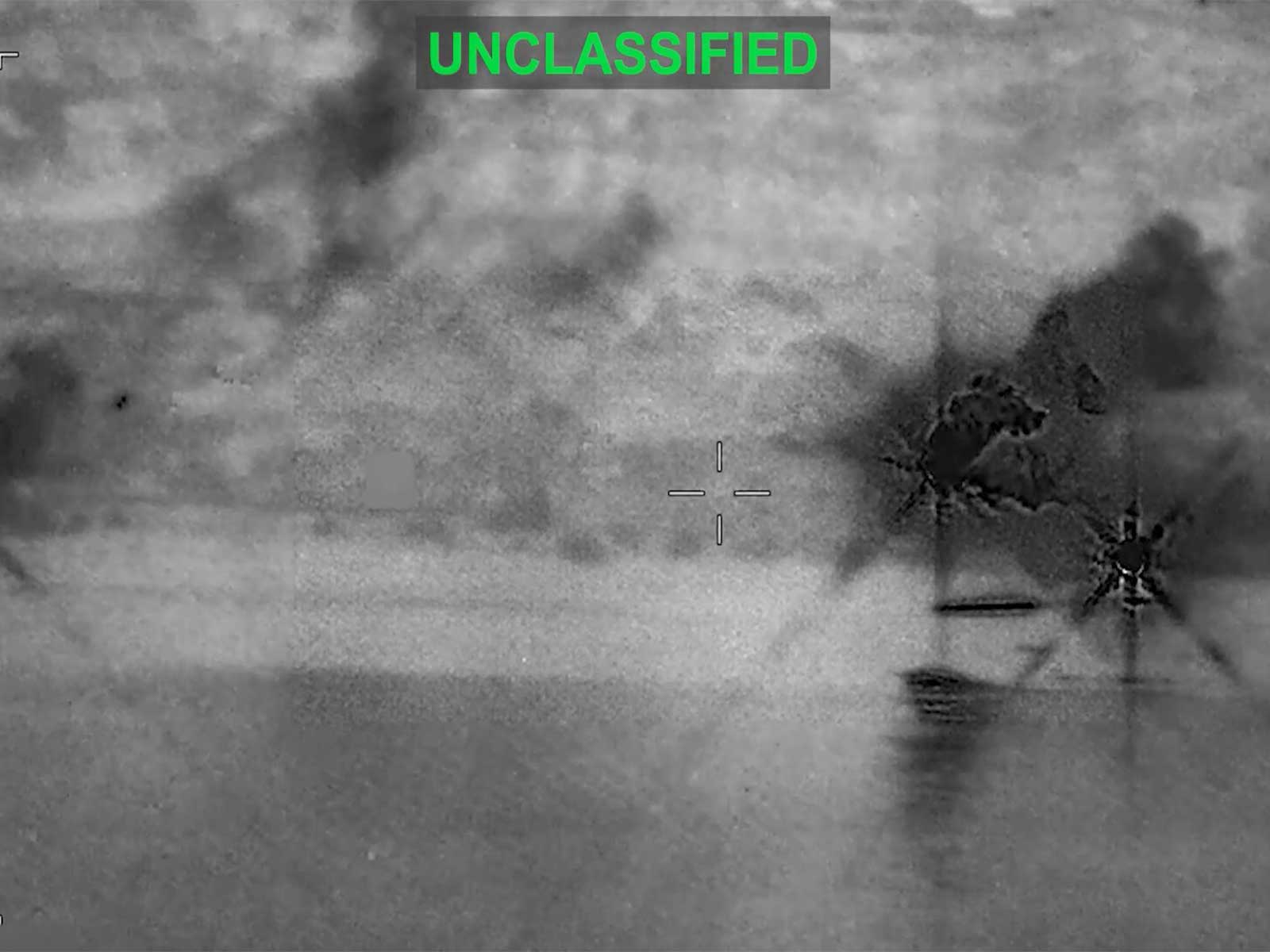
US strikes Iran for second night as Trump says ceasefire is ‘over’