
Today in News History
On July 2, several notable moments in the history of News stand out. In 1840, A Ms 7.4 earthquake strikes present-day Turkey and Armenia; combined with the effects of an eruption on Mount Ararat, kills 10,000 people. In 1902, K. Kanapathypillai, Sri Lankan author and academic (died 1968) was born. In 1929, Imelda Marcos, Filipino politician; 10th First Lady of the Philippines was born. In 1937, Amelia Earhart and navigator Fred Noonan are last heard from over the Pacific Ocean while attempting to make the first equatorial round-the-world flight. In 1947, Ann Taylor, Baroness Taylor of Bolton, English politician, Minister for International Security Strategy was born. In 1960, Maria Lourdes Sereno, Filipino lawyer and jurist, 24th Chief Justice of the Supreme Court of the Philippines was born. In 1976, Ľudovít Ódor, Prime minister of Slovakia was born. In 1997, The Bank of Thailand floats the baht, triggering the Asian financial crisis. In 2004, Mochtar Lubis, Indonesian journalist and author (born 1922) passed away. In 2013, A magnitude 6.1 earthquake strikes Aceh, Indonesia, killing at least 42 people and injuring 420 others. Together, these milestones provide historical context for today's news news and ongoing narratives.
Singapore warns of ‘severe’ haze in August, September from El Nino effect
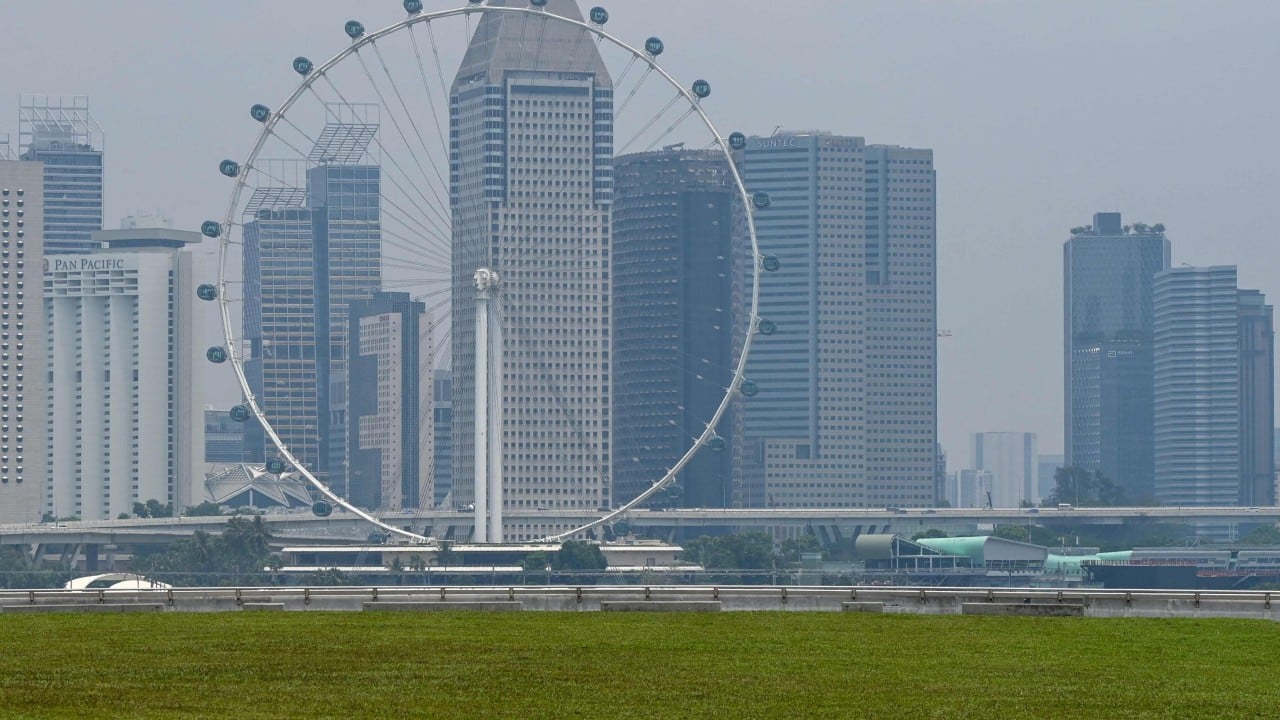
Some years it comes, and some years it does not. But, drifting up and across the Strait of Malacca, it can hang in the air for weeks on end over cities such as Singapore and Kuala Lumpur – regional economic hubs that host two of the world’s busiest airports. Southeast Asia’s haze is on the way back and this year’s event is expected to be “severe”, according to the Singapore Institute of International Affairs (SIIA), which has been tracking the region’s haze disruptions for almost a...
Narrative Intelligence Brief
This article was published by South China Morning Post, a source frequently categorized with a lean left bias based in Hong Kong. Our narrative intelligence engine continuously monitors coverage from this outlet to track framing, bias, and rhetorical patterns. Our initial algorithmic scan of this specific piece did not flag high-confidence rhetorical techniques, suggesting a generally straightforward reporting style or neutral framing. By understanding the editorial perspective of South China Morning Post, readers can better contextualize the information presented and compare it across our broader media matrix to find the real narrative.
More from South China Morning Post
July 2, 2026
India orders WhatsApp to halt username feature over anonymity concerns
July 2, 2026
China bans pet anaesthetic tiletamine after waves of young people vape drug
July 2, 2026
Lawmaker William Wong failed to tell Legco about arrest, set for committee probe
July 2, 2026
Singapore to buy more Hellfire missiles after US backs US$22.3 million package
July 2, 2026
Gaza marks 1,000 days of war. Palestinians there face an uncertain future
Analysis Methodology
This narrative analysis was generated using the CoDataLab Global Intelligence Engine. Our proprietary AI scans thousands of cross-border sources to identify sentiment patterns, framing techniques, and potential media bias. While AI provides the data-driven foundation, our objective is to empower readers with additional context beyond the standard headline.The content displayed above is a structured summary designed for rapid information processing. For the full original report, please visit the source outlet.More Coverage
Discussion


