
Today in News History
On June 24, several notable moments in the history of News stand out. In 1860, The United States Congress establishes the Government Printing Office. In 1910, Gordon B. Hinckley, American religious leader, 15th President of The Church of Jesus Christ of Latter-day Saints (died 2008) was born. In 1913, William P. Rogers, American commander, lawyer, and politician, 55th United States Secretary of State (died 2001) was born. In 1948, Clarence Thomas, American lawyer and jurist, Associate Justice of the Supreme Court of the United States was born. In 1949, Gordon Bray, Australian journalist and sportscaster was born. In 1965, Sylvia Mathews Burwell, American government and non-profit executive was born. In 1967, Cold War: U.S. President Lyndon B. Johnson meets with Soviet Premier Alexei Kosygin in Glassboro, New Jersey for the three-day Glassboro Summit Conference. In 1972, Watergate scandal: U.S. President Richard M. Nixon and White House Chief of Staff H. R. Haldeman are taped talking about illegally using the Central Intelligence Agency to obstruct the Federal Bureau of Investigation's investigation into the Watergate break-ins. In 1994, NASA's Space Station Processing Facility, a new state-of-the-art manufacturing building for the International Space Station, officially opens at Kennedy Space Center. In 2017, A series of terrorist attacks take place in Pakistan, resulting in 96 deaths and wounding 200 others. Together, these milestones provide historical context for today's news news and ongoing narratives.
Senate GOP, Democratic Leaders Hold Weekly Press Conferences
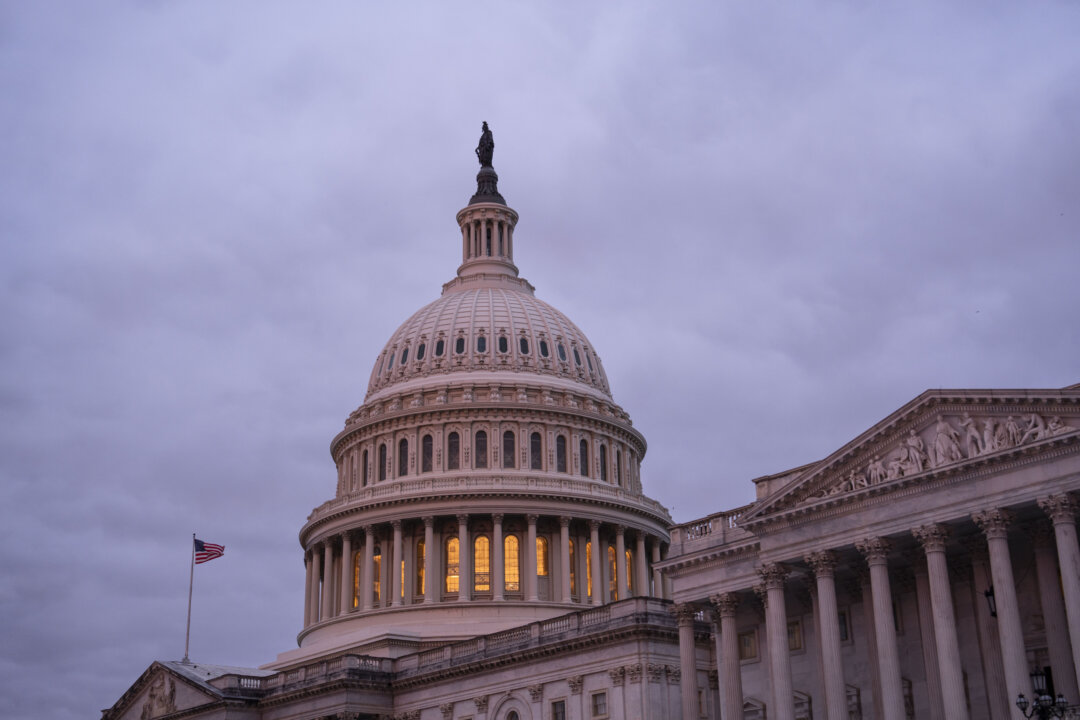
Senate Republican and Democratic leaders hold their weekly press conferences on June 16.
Narrative Intelligence Brief
This article was published by The Epoch Times, a source frequently categorized with a right bias based in United States of America. Our narrative intelligence engine continuously monitors coverage from this outlet to track framing, bias, and rhetorical patterns. Our initial algorithmic scan of this specific piece did not flag high-confidence rhetorical techniques, suggesting a generally straightforward reporting style or neutral framing. By understanding the editorial perspective of The Epoch Times, readers can better contextualize the information presented and compare it across our broader media matrix to find the real narrative.
More from The Epoch Times
June 24, 2026
LIVE NOW: House Panel Examines Competition, Regulation in Airline Industry
June 24, 2026
Ben McAdams Wins Democratic Primary in Utah’s First Congressional District
June 24, 2026
LIVE NOW: House Panel Examines Critical Mineral Recovery and Recycling Legislation
June 24, 2026
LIVE NOW: Senate Committee Examines USPS Business Model Reform
June 24, 2026
Trump Says Iran 100 Percent Agreed to IAEA Nuclear Inspections
Analysis Methodology
This narrative analysis was generated using the CoDataLab Global Intelligence Engine. Our proprietary AI scans thousands of cross-border sources to identify sentiment patterns, framing techniques, and potential media bias. While AI provides the data-driven foundation, our objective is to empower readers with additional context beyond the standard headline.The content displayed above is a structured summary designed for rapid information processing. For the full original report, please visit the source outlet.More Coverage
Discussion
"trump"
Why Trump’s Slimy Humiliation Is Driving Him Mad: Biographer

Congress passes war powers measure for first time, rebuking Trump’s war with Iran
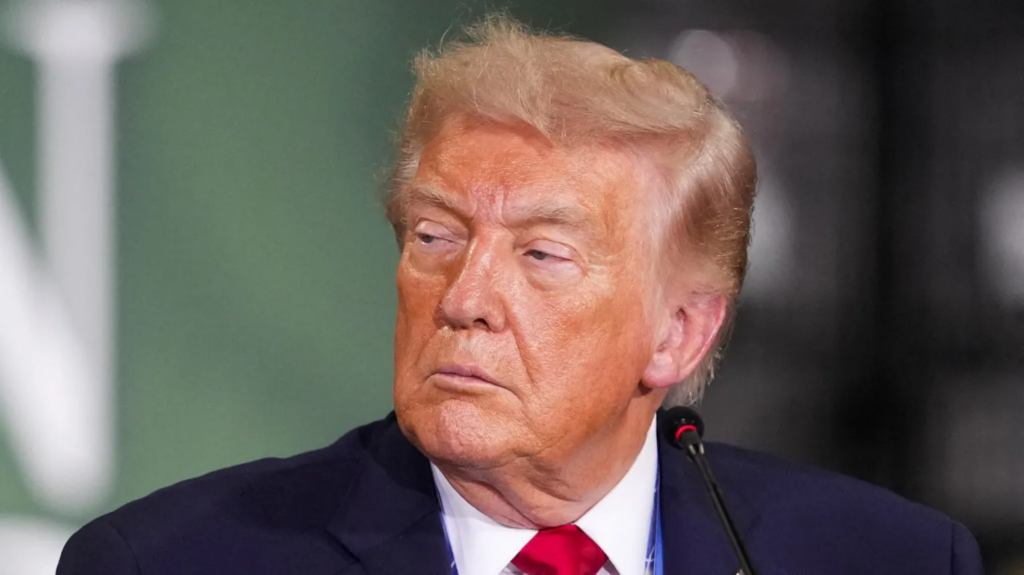
Trump warns of crime surge under ‘Dumocrat’ open borders
