Today in News History
On June 22, several notable moments in the history of News stand out. In 1813, War of 1812: After learning of American plans for a surprise attack on Beaver Dams in Ontario, Laura Secord sets out on a thirty kilometres (19 mi) journey on foot to warn Lieutenant James FitzGibbon. In 1940, World War II: France is forced to sign the Second Compiègne armistice with Germany, in the same railroad car in which the Germans signed the Armistice in 1918. In 1946, Stephen Waley-Cohen, English journalist and businessman was born. In 1953, Bruce McAvaney, Australian journalist and sportscaster was born. In 1973, Carson Daly, American radio and television host was born. In 2000, Wuhan Airlines Flight 343 is struck by lightning and crashes into Wuhan's Hanyang District, killing 49 people. In 2009, A Washington D.C Metro train traveling southbound near Fort Totten station collides into another train waiting to enter the station. Nine people are killed in the collision (eight passengers and the train operator) and at least 80 others are injured. In 2012, A Turkish Air Force McDonnell Douglas F-4 Phantom II fighter plane is shot down by the Syrian Armed Forces, killing both of the plane's pilots and worsening already-strained relations between Turkey and Syria. In 2014, Fouad Ajami, Lebanese-American author and academic (born 1945) passed away. In 2022, An earthquake occurs in eastern Afghanistan resulting in over 1,000 deaths. Together, these milestones provide historical context for today's news news and ongoing narratives.
Second case of bird flu confirmed in WA
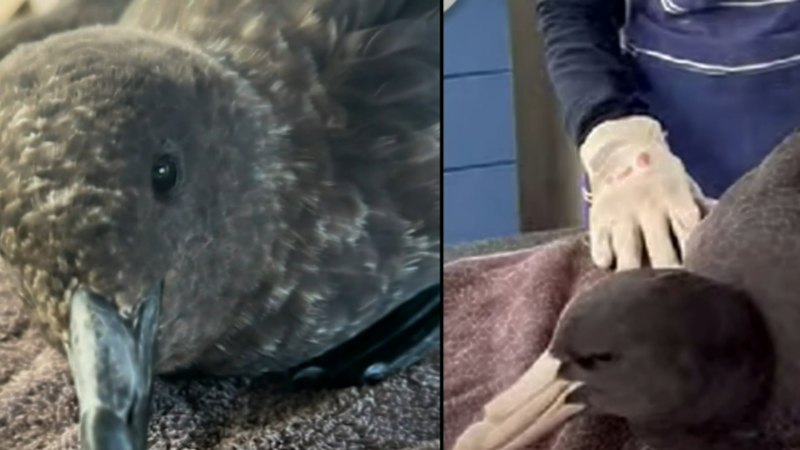
A migratory seabird found near Esperance has become the second bird to test positive to the H5 avian flu in Australia
Narrative Intelligence Brief
This article was published by Brisbane Times, a source frequently categorized with a center bias based in Australia. Our narrative intelligence engine continuously monitors coverage from this outlet to track framing, bias, and rhetorical patterns. Our initial algorithmic scan of this specific piece did not flag high-confidence rhetorical techniques, suggesting a generally straightforward reporting style or neutral framing. By understanding the editorial perspective of Brisbane Times, readers can better contextualize the information presented and compare it across our broader media matrix to find the real narrative.
More from Brisbane Times
June 22, 2026
‘Act now’: Cyber spy chiefs issue warning on AI threat
June 22, 2026
This is a desperate rescue attempt to save UK Labour from itself
June 22, 2026
Superquiz, Tuesday, June 23, 2026
June 22, 2026
Emotional Starmer steps down less than two years after landslide win
June 22, 2026
Keir Starmer resignation as it happened: British PM resigns, Andy Burnham declares intention to run as successor
Analysis Methodology
This narrative analysis was generated using the CoDataLab Global Intelligence Engine. Our proprietary AI scans thousands of cross-border sources to identify sentiment patterns, framing techniques, and potential media bias. While AI provides the data-driven foundation, our objective is to empower readers with additional context beyond the standard headline.The content displayed above is a structured summary designed for rapid information processing. For the full original report, please visit the source outlet.More Coverage
Discussion
"keir starmer"
Breaking! Keir Starmer Steps Down, Trump’s Cuba Threats, Oil Barrel Crisis | PBD #821

Kemi Badenoch breaks silence after Starmer’s resignation, reveals what she says is Labour’s real problem

‘Too hard for Starmer’: PM holds back tears as he resigns from office