Today in News History
On June 18, several notable moments in the history of News stand out. In 1832, William Crookes, English chemist and physicist (died 1919) was born. In 1920, François Jacob, French biologist and geneticist, Nobel Prize laureate (died 2013) was born. In 1923, Dale C. Thomson, Canadian historian and academic (died 1999) was born. In 1925, Alexander Shulgin, American pharmacologist and chemist (died 2014) was born. In 1940, Arthur Harden, English biochemist and academic, Nobel Prize laureate (born 1865) passed away. In 1941, Nicholas C. Handy, English chemist and academic (died 2012) was born. In 1971, U.S. President Richard Nixon in a televised press conference called drug abuse "America's public enemy number one", starting the War on drugs. In 2001, Donald J. Cram, American chemist and academic, Nobel Prize laureate (born 1919) passed away. In 2013, Michael Baigent, New Zealand-English theorist and author (born 1948) passed away. In 2021, Juneteenth National Independence Day, was signed into law by President Joe Biden, to become the first federal holiday established since Martin Luther King Jr. Day in 1983. Together, these milestones provide historical context for today's news news and ongoing narratives.
Scientists reveal surprising reason why coffee tastes better on certain days
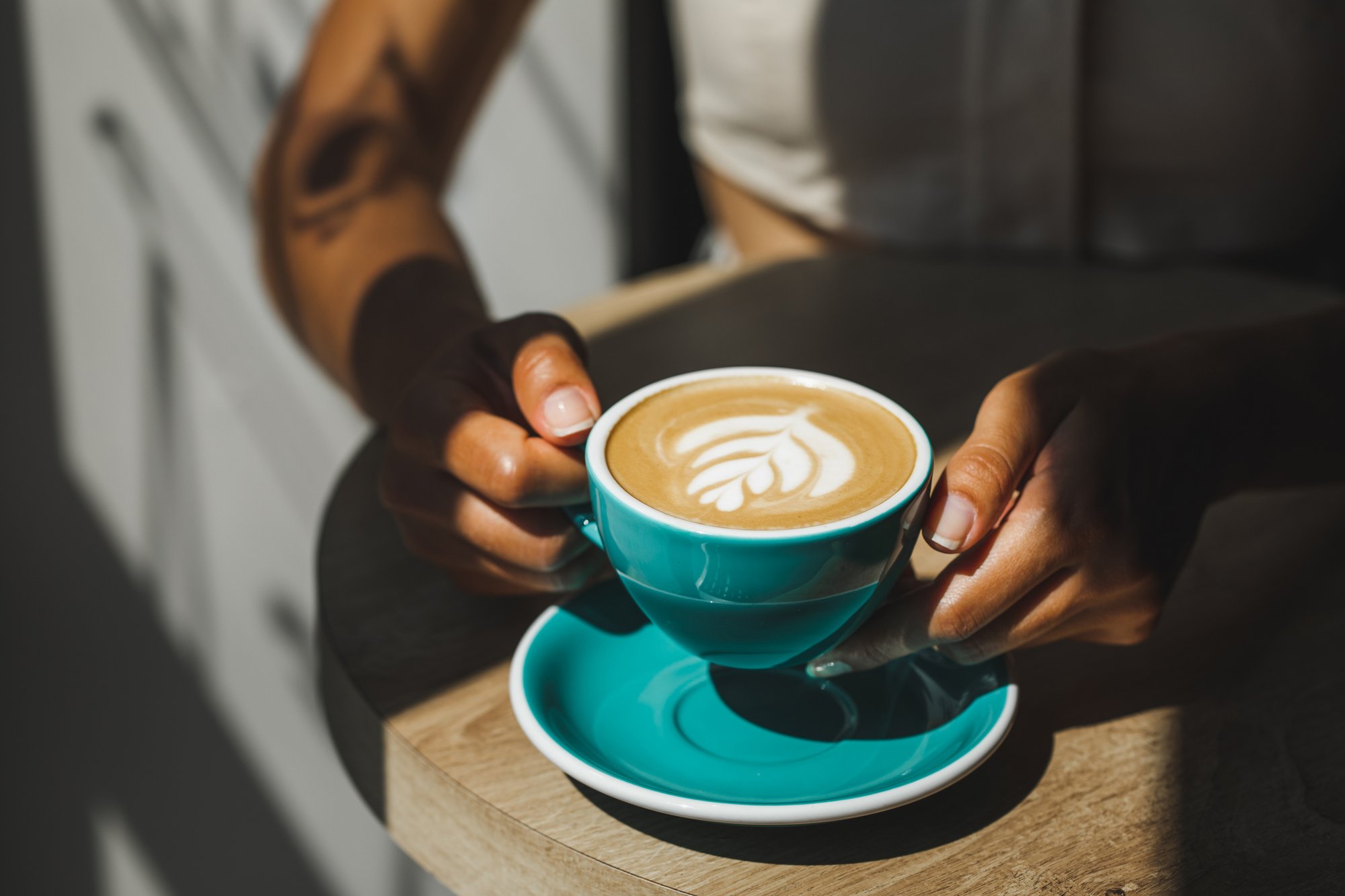
Coffee tastes noticeably better midweek than on any other day, according to new research from University of Oxford psychologists.The study, which surveyed 3,000 participants across 11 nations including Britain between April 2024 and February 2025, found that Wednesday emerged as the peak day for coffee enjoyment.Researchers attribute this phenomenon to people having cleared the midweek hurdle and beginning to anticipate their weekend rest.Professor Charles Spence, who led the research, said: Wednesday represents the start of the countdown to the weekend, which can make people feel more positive about everything, including what they are drinking. TRENDING Stories Videos Your Say The findings suggest our psychological state significantly shapes how we perceive taste, with optimism about upcoming leisure time enhancing the sensory experience of our daily caffeine fix.Beyond the day of the week, the team identified several other factors that influence how we experience our coffee.Morning hours proved to be the best time for enjoying a cup, while spring ranked as the most favourable season for coffee appreciation.Atmospheric conditions play a notable role in shaping taste perception, the researchers discovered.Professor Spence said: A season like spring, when the weather is improving and people feel hopeful about the coming year, may boost the feelgood emotions a cup of coffee can evoke.He added: Meanwhile, autumn may herald the start of the 'winter blues', so even a coffee is less enjoyable.The connection between mood and flavour appears to work both ways, with improving weather lifting spirits and consequently making beverages taste more satisfying, while darker months can diminish enjoyment of even a well-made cup.The study also revealed that social context matters considerably when it comes to coffee appreciation.LATEST DEVELOPMENTSScientists reveal how many cups of coffee are linked to lower dementia risk'Wake up and smell the coffee!' Martin Daubney slaps down Green councillor for 'leaving Britain open to evisceration' with defence policyStarbucks trials clever trick to keep coffee sweet without using any sugarParticipants rated their experience most highly when seated alongside friends, compared with standing, walking about, or drinking solo.Another practical tip emerged from the research: removing the lid from takeaway cups enhances enjoyment by allowing the aroma to reach the nose unobstructed.Generational differences also surfaced in the findings, with those aged between 30 and 60 reporting greater coffee satisfaction than their younger counterparts.Generation X and Millennials consistently expressed more pleasure from their brews than Gen Z participants under the age of 30.Britain's love affair with coffee shows no signs of waning, with an estimated 98 million cups consumed daily across the nation, placing it just marginally behind tea at 100 million.The beverage has also become increasingly central to social interactions beyond the workplace or home.Research into dating habits has highlighted coffee's growing role as a preferred setting for romantic encounters, with 27 per cent of single people choosing coffee dates over traditional dinner outings.This shift reflects broader changes in how people connect, with cost-conscious daters gravitating towards more affordable options that still allow meaningful conversation.Independent cafés stand to benefit from this trend, with 85 per cent of daters surveyed saying venue appearance plays an important role in their experience.The atmosphere a coffee shop provides can evidently enhance not just the taste of the drink, but the entire social occasion. Our Standards: The GB News Editorial Charter
Narrative Intelligence Brief
This article was published by GB News, a source frequently categorized with a lean right bias based in United States of America. Our narrative intelligence engine continuously monitors coverage from this outlet to track framing, bias, and rhetorical patterns. Our initial algorithmic scan of this specific piece did not flag high-confidence rhetorical techniques, suggesting a generally straightforward reporting style or neutral framing. By understanding the editorial perspective of GB News, readers can better contextualize the information presented and compare it across our broader media matrix to find the real narrative.
More from GB News
June 17, 2026
Whitehall accused of misleading public with 'disingenuous' denials of Dartmoor pony cull plans
June 17, 2026
There are positives and negatives to take but England did their main job... win
June 17, 2026
Details of Iran peace deal revealed as Donald Trump signs agreement to finally end war
June 17, 2026
Fraudster jailed after raking in £300k by sitting students’ exams and completing their coursework
June 17, 2026
England thump Croatia 4-2 and start World Cup campaign with vital win
Analysis Methodology
This narrative analysis was generated using the CoDataLab Global Intelligence Engine. Our proprietary AI scans thousands of cross-border sources to identify sentiment patterns, framing techniques, and potential media bias. While AI provides the data-driven foundation, our objective is to empower readers with additional context beyond the standard headline.The content displayed above is a structured summary designed for rapid information processing. For the full original report, please visit the source outlet.More Coverage
Discussion