Today in News History
On July 1, several notable moments in the history of News stand out. In 1553, Peter Street, English carpenter and builder (died 1609) was born. In 1782, Charles Watson-Wentworth, 2nd Marquess of Rockingham, English politician, Prime Minister of Great Britain (born 1730) passed away. In 1837, A system of civil registration of births, marriages and deaths is established in England and Wales. In 1878, Canada joins the Universal Postal Union. In 1881, General Order 70, the culmination of the Cardwell and Childers reforms of the British Army, comes into effect. In 1924, The National War Memorial for the Dominion of Newfoundland was inaugurated by Field Marshall Douglas Haig, 1st Earl Haig in St. John's, Newfoundland. The date commemorates the first day of the Battle of the Somme, where at Beaumont-Hamel, 86 percent of the Royal Newfoundland Regiment was wiped out. In 1963, ZIP codes are introduced for United States mail. In 1972, The first Gay pride march in England takes place. In 1999, The Scottish Parliament is officially opened by Elizabeth II on the day that legislative powers are officially transferred from the old Scottish Office in London to the new devolved Scottish Executive in Edinburgh. In Wales, the powers of the Welsh Secretary are transferred to the National Assembly. In 2024, At the centennial ceremony of the Dominion of Newfoundland National War Memorial, the Commonwealth War Graves Commission allowed an unprecedented second Canadian Tomb of the Unknown Soldier. The Royal Newfoundland Regiment solder was entombed in the memorial at this ceremony. Together, these milestones provide historical context for today's news news and ongoing narratives.
Royal Mail confirms Saturday second-class deliveries to be SCRAPPED as part of major postal shake-up
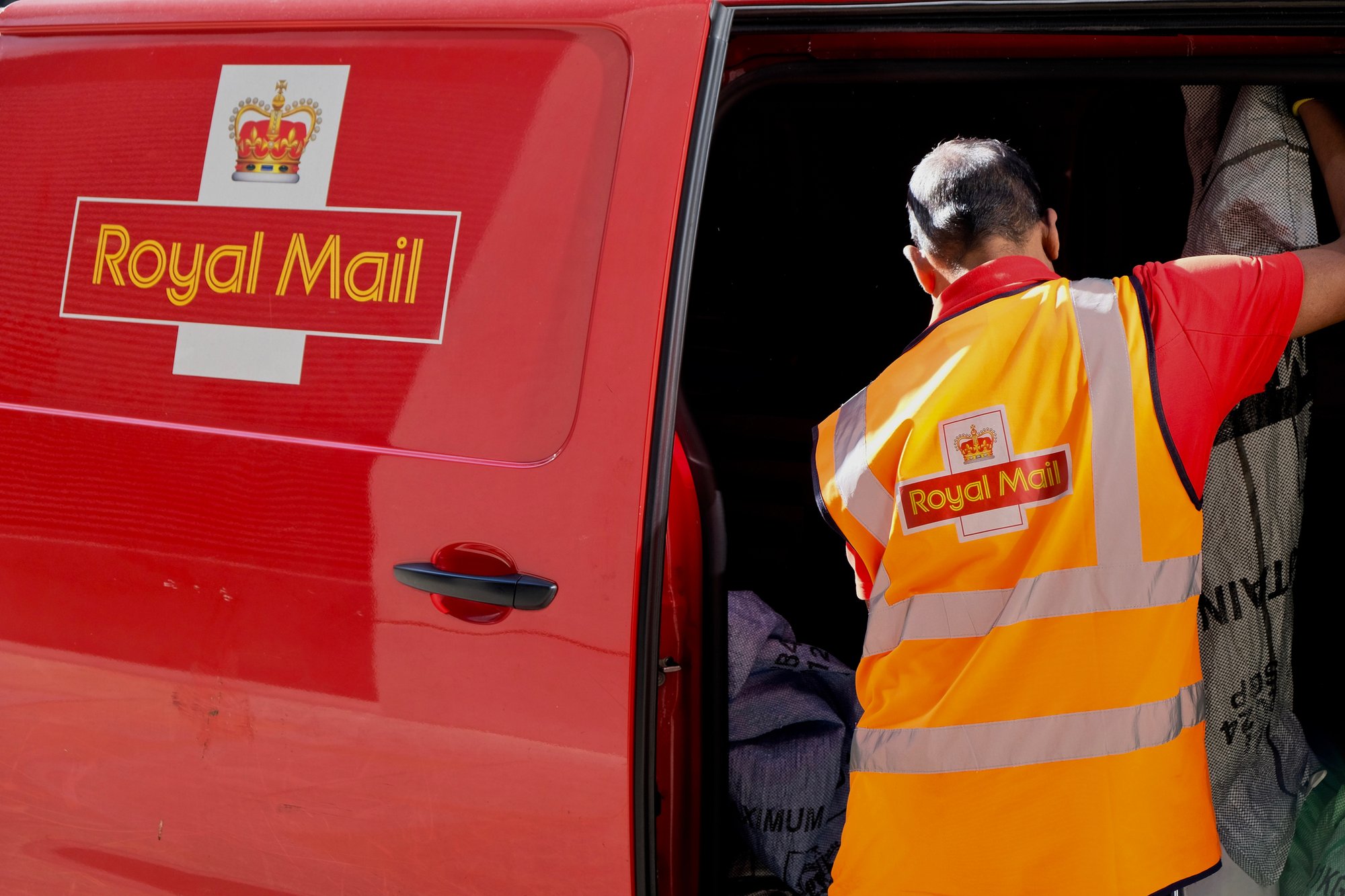
Royal Mail has confirmed it will end Saturday deliveries for second‑class letters as part of a major overhaul of its postal service being rolled out across the UK in 2026. The changes follow reforms to the Universal Service Obligation announced by Ofcom in July 2025, which for decades required Royal Mail to collect and deliver letters six days a week to every address in the country.Households are now receiving leaflets explaining how the revised schedule will work. Royal Mail said customers “may notice a change” to how second‑class letters are delivered, describing the move as part of efforts to offer a more reliable and sustainable service that reflects modern sending habits. TRENDING Stories Videos Your Say Under the new arrangements, second‑class letters will be delivered on alternating weekdays rather than every weekday.One week, deliveries will take place on Monday, Wednesday and Friday; the following week, they will switch to Tuesday and Thursday before the cycle repeats.Despite the reduced frequency, Royal Mail said it will continue aiming to deliver second‑class post within three working days.The company has published expected delivery windows based on posting day:– Letters posted Monday should arrive by Thursday.– Tuesday post should arrive by Friday.– Wednesday post should arrive by Monday.– Thursday post should arrive by Tuesday.– Friday or Saturday post should arrive by Wednesday.– Sunday post should arrive by Thursday.LATEST DEVELOPMENTSHMRC issues urgent tax warning to millions ahead of crucial July deadlineAndy Burnham told he could unlock £7billion North Sea investment with drilling policy shiftHalifax to disappear from UK high streets after 173 years as Lloyds confirms major changeThe changes come after second‑class stamp prices rose from 87p to 91p in April 2026. Standard compensation for lost or damaged second‑class items remains capped at £20.Royal Mail said declining letter volumes were the main driver of the revised schedule, arguing that fewer letters are being sent and the service must adapt to remain dependable.Several parts of the postal service will remain unchanged.Royal Mail will continue to operate its nationwide one‑price‑goes‑anywhere system, meaning customers pay the same price regardless of destination.First‑class letters will still be delivered six days a week and customers will continue to be able to choose between first‑ and second‑class services for letters and parcels.Parcel deliveries remain unaffected and will continue up to seven days a week.Royal Mail said the reforms are intended to create a more reliable and sustainable postal service while reflecting the continued decline in letter volumes.“Thank you for your patience while we make these crucial changes,” the company said. Our Standards: The GB News Editorial Charter
Narrative Intelligence Brief
This article was published by GB News, a source frequently categorized with a lean right bias based in United States of America. Our narrative intelligence engine continuously monitors coverage from this outlet to track framing, bias, and rhetorical patterns. Our initial algorithmic scan of this specific piece did not flag high-confidence rhetorical techniques, suggesting a generally straightforward reporting style or neutral framing. By understanding the editorial perspective of GB News, readers can better contextualize the information presented and compare it across our broader media matrix to find the real narrative.
More from GB News
July 1, 2026
Bayeux Tapestry tickets go on sale as nearly 100,000 hopefuls join queue to view 11th century embroidery in Britain for first time
July 1, 2026
Luke Littler goes ballistic with I'm a Celeb winner after England beat DR Congo 2-1
July 1, 2026
King appoints Prince George's new Eton Provost to chair King's Foundation
July 1, 2026
Shooting near Birmingham mosque leaves teenage boy battling for life in hospital
July 1, 2026
Novak Djokovic pranks ball girl at Wimbledon in hilarious moment
Analysis Methodology
This narrative analysis was generated using the CoDataLab Global Intelligence Engine. Our proprietary AI scans thousands of cross-border sources to identify sentiment patterns, framing techniques, and potential media bias. While AI provides the data-driven foundation, our objective is to empower readers with additional context beyond the standard headline.The content displayed above is a structured summary designed for rapid information processing. For the full original report, please visit the source outlet.More Coverage
Discussion
"england"
Harry Kane’s quickfire double saves England from World Cup humiliation

Djed Spence starts at right-back in England’s World Cup clash with DR Congo

Asda axes 7,500 staff jobs as supermarket giant's debt soars to £730million