Today in News History
On July 9, several notable moments in the history of News stand out. In 1914, Willi Stoph, German engineer and politician, 4th Prime Minister of East Germany (died 1999) was born. In 1933, Oliver Sacks, English-American neurologist, author, and academic (died 2015) was born. In 1934, Michael Graves, American architect, designed the Portland Building and the Humana Building (died 2015) was born. In 1944, World War II: Continuation War: Finland wins the Battle of Tali-Ihantala, the largest battle ever fought in northern Europe. The Red Army withdraws its troops from Ihantala and digs into a defensive position, thus ending the Vyborg-Petrozavodsk Offensive. In 1950, Viktor Yanukovych, Ukrainian engineer and politician, 4th President of Ukraine was born. In 1951, Chris Cooper, American actor was born. In 1960, Yūko Asano, Japanese actress and singer was born. In 1967, Gunnar Axén, Swedish politician was born. In 2004, The Senate Report on Iraqi WMD Intelligence is released by the United States Senate Select Committee on Intelligence, casting doubt on the rationale for the Iraq War. In 2019, William E. Dannemeyer, American politician (born 1929) passed away. Together, these milestones provide historical context for today's news news and ongoing narratives.
Robot displays the faces of Trump, Obama at Geneva AI summit
A Swiss humanoid robot capable of displaying the faces of world leaders and business executives was on display at the AI for Good Global Summit in Geneva on July 7, as developers showcased how artificial intelligence could make human-machine interactions more natural. #AI #ArtificialIntelligence #Trump #Robot #Tech
Narrative Intelligence Brief
This article was published by Reuters, a source frequently categorized with a center bias based in United Kingdom. Our narrative intelligence engine continuously monitors coverage from this outlet to track framing, bias, and rhetorical patterns. Our initial algorithmic scan of this specific piece did not flag high-confidence rhetorical techniques, suggesting a generally straightforward reporting style or neutral framing. By understanding the editorial perspective of Reuters, readers can better contextualize the information presented and compare it across our broader media matrix to find the real narrative.
More from Reuters
July 9, 2026
People seen on rooftop as fire rips through shoe factory in China
July 9, 2026
South Africa anti-immigrant groups seize foreigners
July 9, 2026
LIVE: Fans in Casablanca watch Morocco v France quarter-final match
July 9, 2026
LIVE: Fans in Paris watch Morocco v France quarter-final match
July 9, 2026
LIVE: Vessel traffic in Strait of Hormuz
Analysis Methodology
This narrative analysis was generated using the CoDataLab Global Intelligence Engine. Our proprietary AI scans thousands of cross-border sources to identify sentiment patterns, framing techniques, and potential media bias. While AI provides the data-driven foundation, our objective is to empower readers with additional context beyond the standard headline.The content displayed above is a structured summary designed for rapid information processing. For the full original report, please visit the source outlet.More Coverage
Discussion
"cup"
Egypt’s fiery accusations after controversial World Cup defeat

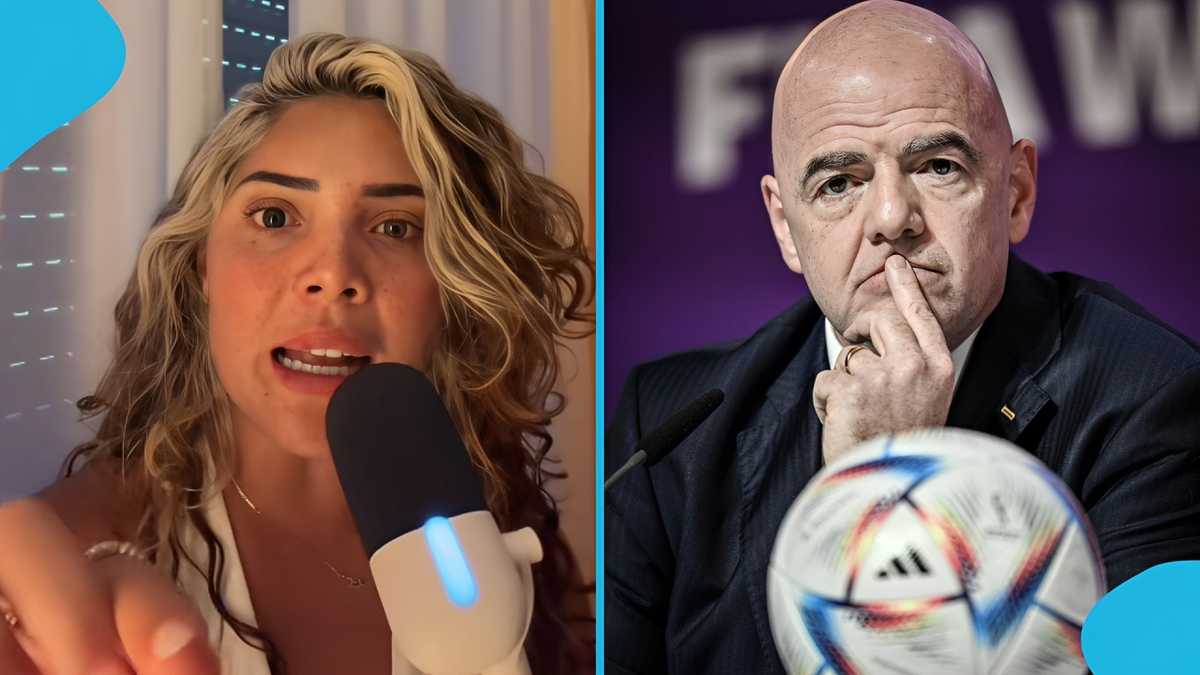
“Why always Africa?”: European TikToker Haneefah blasts FIFA over Egypt controversy, video
“Argentina Is an Israeli Team Par Excellence” - Egyptian Analyst Blames Israel for Egypt’s World Cup Loss to Argentina: