Today in News History
On July 4, several notable moments in the history of News stand out. In 1934, Marie Curie, French-Polish physicist and chemist, Nobel Prize laureate (born 1867) passed away. In 1938, Steven Rose, English biologist and academic was born. In 1951, William Shockley announces the invention of the junction transistor. In 1960, Roland Ratzenberger, Austrian race car driver (died 1994) was born. In 1969, Todd Marinovich, American football player and coach was born. In 1971, August Derleth, American anthologist and author (born 1909) passed away. In 1977, Gersh Budker, Ukrainian physicist and academic (born 1918) passed away. In 1997, John Zachary Young, English zoologist and neurophysiologist (born 1907) passed away. In 2008, Jesse Helms, American politician (born 1921) passed away. In 2012, The discovery of particles consistent with the Higgs boson at the Large Hadron Collider is announced at CERN. Together, these milestones provide historical context for today's news news and ongoing narratives.
Researchers Discovered Your Brain Really Can Sync Up With Someone Else’s. Here’s How It Works.
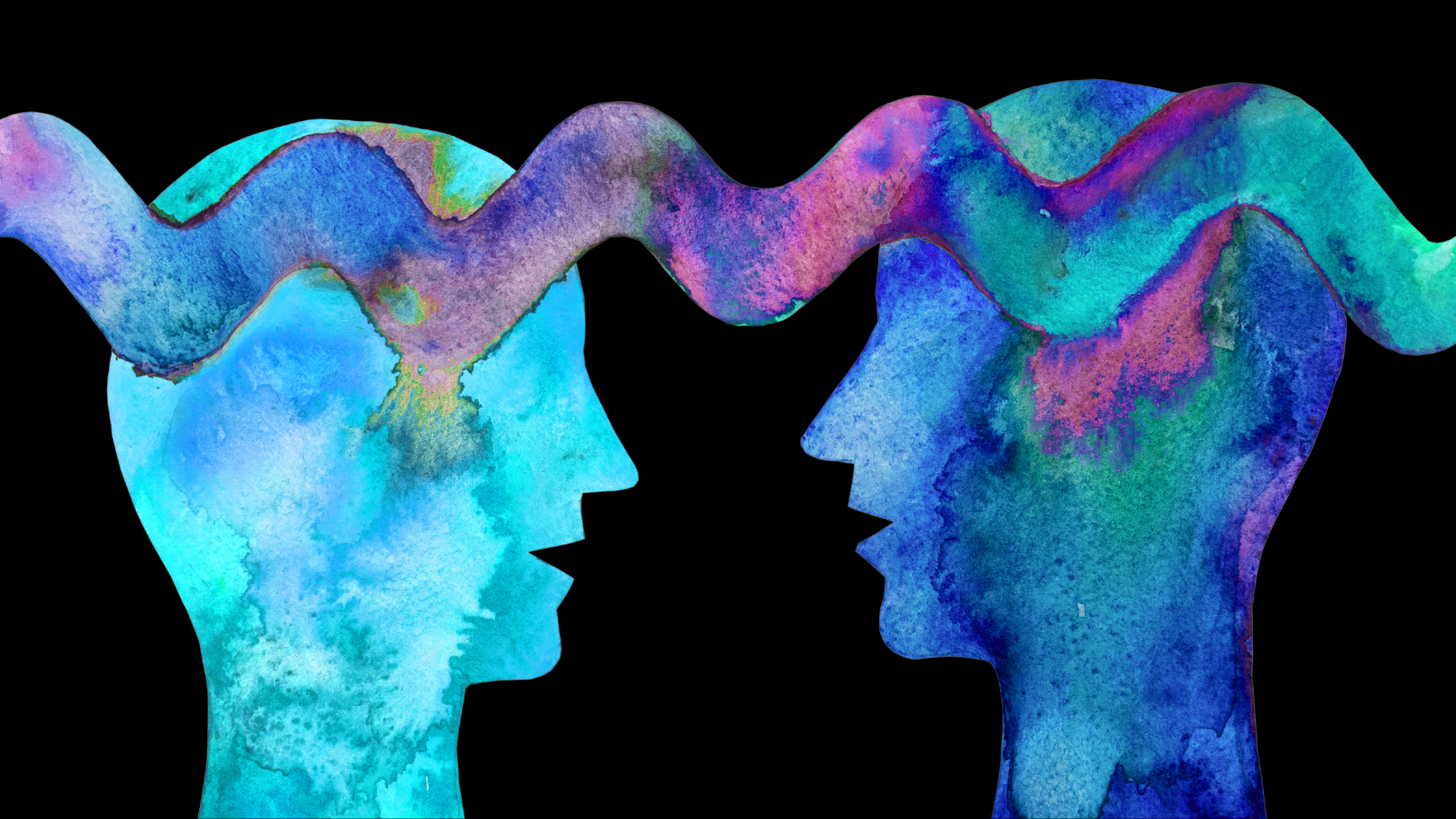
If you’ve ever been riding a wave of creativity that feels like your brain and someone else’s have been Bluetooth-synced and are now finishing each other’s sentences, both instinctively knowing where the song/screenplay/woodworking project or whatever you’re building should go, then you’ve experienced what scientists call brain synchrony. As described by a team of researchers []
Narrative Intelligence Brief
This article was published by DNyuz, a source frequently categorized with a lean right bias based in Armenia. Our narrative intelligence engine continuously monitors coverage from this outlet to track framing, bias, and rhetorical patterns. Our initial algorithmic scan of this specific piece did not flag high-confidence rhetorical techniques, suggesting a generally straightforward reporting style or neutral framing. By understanding the editorial perspective of DNyuz, readers can better contextualize the information presented and compare it across our broader media matrix to find the real narrative.
More from DNyuz
July 4, 2026
The evidence against “ultra-processed” foods is weaker than you think
July 4, 2026
What We Should Learn From Nordic Happiness
July 4, 2026
I just moved my daughter out of her freshman year college dorm. Here’s everything I wish I’d known ahead of her first year.
July 4, 2026
No One Wants to Hear It, but Maybe We’re Not That Polarized
July 4, 2026
America’s Greatest Strength
Analysis Methodology
This narrative analysis was generated using the CoDataLab Global Intelligence Engine. Our proprietary AI scans thousands of cross-border sources to identify sentiment patterns, framing techniques, and potential media bias. While AI provides the data-driven foundation, our objective is to empower readers with additional context beyond the standard headline.The content displayed above is a structured summary designed for rapid information processing. For the full original report, please visit the source outlet.More Coverage
Discussion