Today in News History
On June 17, several notable moments in the history of News stand out. In 1832, William Crookes, English chemist and physicist (died 1919) was born. In 1923, Dale C. Thomson, Canadian historian and academic (died 1999) was born. In 1925, Alexander Shulgin, American pharmacologist and chemist (died 2014) was born. In 1941, Nicholas C. Handy, English chemist and academic (died 2012) was born. In 1969, Paul Tergat, Kenyan runner was born. In 1973, Leander Paes, Indian tennis player was born. In 1987, Kendrick Lamar, American rapper was born. In 1992, A "joint understanding" agreement on arms reduction is signed by U.S. President George Bush and Russian President Boris Yeltsin (this would be later codified in START II). In 2001, Donald J. Cram, American chemist and academic, Nobel Prize laureate (born 1919) passed away. In 2019, Gloria Vanderbilt, American artist, author actress, fashion designer, heiress and socialite (born 1924) passed away. Together, these milestones provide historical context for today's news news and ongoing narratives.
Quantinuum’s IPO Puts (NYSE: IONQ) IonQ, (NASDAQ: RGTI) Rigetti, And (NYSE: QBTS) D-Wave Under Pressure

Quantinuum’s initial public offering has forced a reckoning across the quantum computing sector, putting IonQ (NYSE: IONQ), Rigetti Computing (NASDAQ: RGTI), and D-Wave Quantum (NYSE: QBTS) under intense scrutiny. The central question for investors holding any of these three stocks is not whether Quantinuum’s IPO matters, but which company has the commercial foundation to withstand [] The post Quantinuum’s IPO Puts (NYSE: IONQ) IonQ, (NASDAQ: RGTI) Rigetti, And (NYSE: QBTS) D-Wave Under Pressure appeared first on Foreign Policy Journal.
Narrative Intelligence Brief
This article was published by Foreign Policy Journal, a source frequently categorized with a left bias based in United States of America. Our narrative intelligence engine continuously monitors coverage from this outlet to track framing, bias, and rhetorical patterns. Our initial algorithmic scan of this specific piece did not flag high-confidence rhetorical techniques, suggesting a generally straightforward reporting style or neutral framing. By understanding the editorial perspective of Foreign Policy Journal, readers can better contextualize the information presented and compare it across our broader media matrix to find the real narrative.
More from Foreign Policy Journal
June 17, 2026
Tatton Asset Management (LON: TAM) Builds On Growth Strategy With Expanding Adviser Network And Rising Assets
June 17, 2026
Brent Crude Oil Prices Sink Below $80 As US-Iran Ceasefire Deal Reshapes Energy Markets
June 17, 2026
Missouri Skydiving Plane Crash Kills Twelve Near Butler Memorial Airport, NTSB Investigates
June 16, 2026
Taiwan Semiconductor Manufacturing (NYSE: TSM) Draws Hedge Fund Confidence With AI Growth Outlook
June 16, 2026
Novo Nordisk A/S (NYSE: NVO) Faces Earnings Pressure As Investors Weigh Near-Term Outlook
Analysis Methodology
This narrative analysis was generated using the CoDataLab Global Intelligence Engine. Our proprietary AI scans thousands of cross-border sources to identify sentiment patterns, framing techniques, and potential media bias. While AI provides the data-driven foundation, our objective is to empower readers with additional context beyond the standard headline.The content displayed above is a structured summary designed for rapid information processing. For the full original report, please visit the source outlet.More Coverage
Discussion
"cup"
Football Daily | ‘Pico’ Lopes and Cape Verde give Spain’s boys one hell of a neutralising

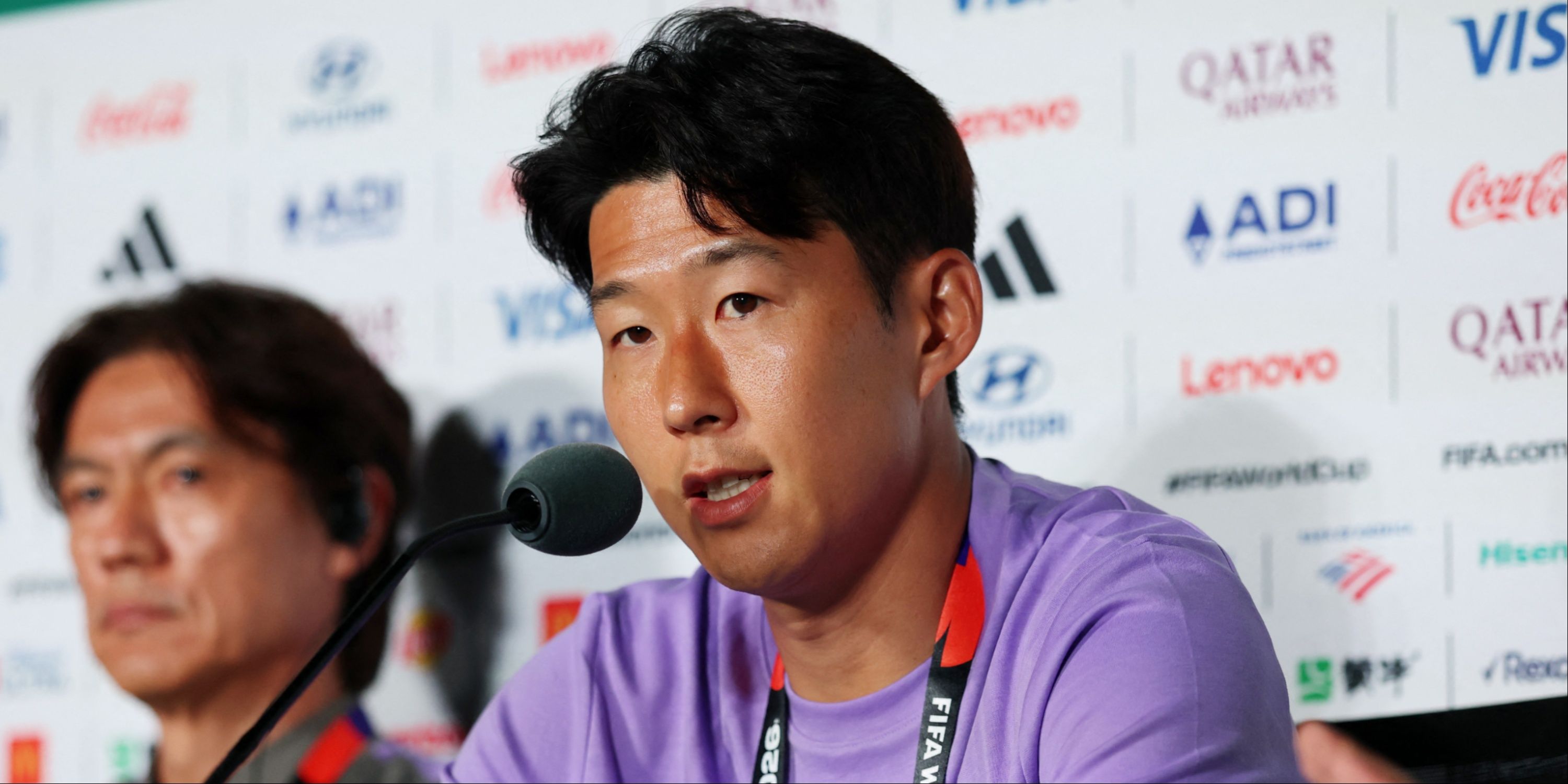
Son Heung-min Boycotts South Korea Media Over ‘Leaked Derogatory Remarks’
The backlash against AI reveals it’s a terrible scapegoat