
Today in News History
On June 23, several notable moments in the history of News stand out. In 1794, Empress Catherine II of Russia grants Jews permission to settle in Kyiv. In 1856, Ivan Kireyevsky, Russian philosopher and critic (born 1806) passed away. In 1889, Anna Akhmatova, Ukrainian-Russian poet and author (died 1966) was born. In 1945, Giuseppina Tuissi, Italian journalist and activist (born 1923) passed away. In 1953, Armen Sarkissian, Armenian physicist, politician and President of Armenia was born. In 1956, Reinhold Glière, Russian composer and educator (born 1875) passed away. In 1959, Boris Vian, French author, poet, and playwright (born 1920) passed away. In 1967, Cold War: U.S. President Lyndon B. Johnson meets with Soviet Premier Alexei Kosygin in Glassboro, New Jersey for the three-day Glassboro Summit Conference. In 2000, Peter Dubovský, Slovak footballer (born 1972) passed away. In 2014, The last of Syria's declared chemical weapons are shipped out for destruction. Together, these milestones provide historical context for today's news news and ongoing narratives.
Pummelled by Ukraine, Russia says US hasn’t delivered on Trump-Putin ‘understandings’
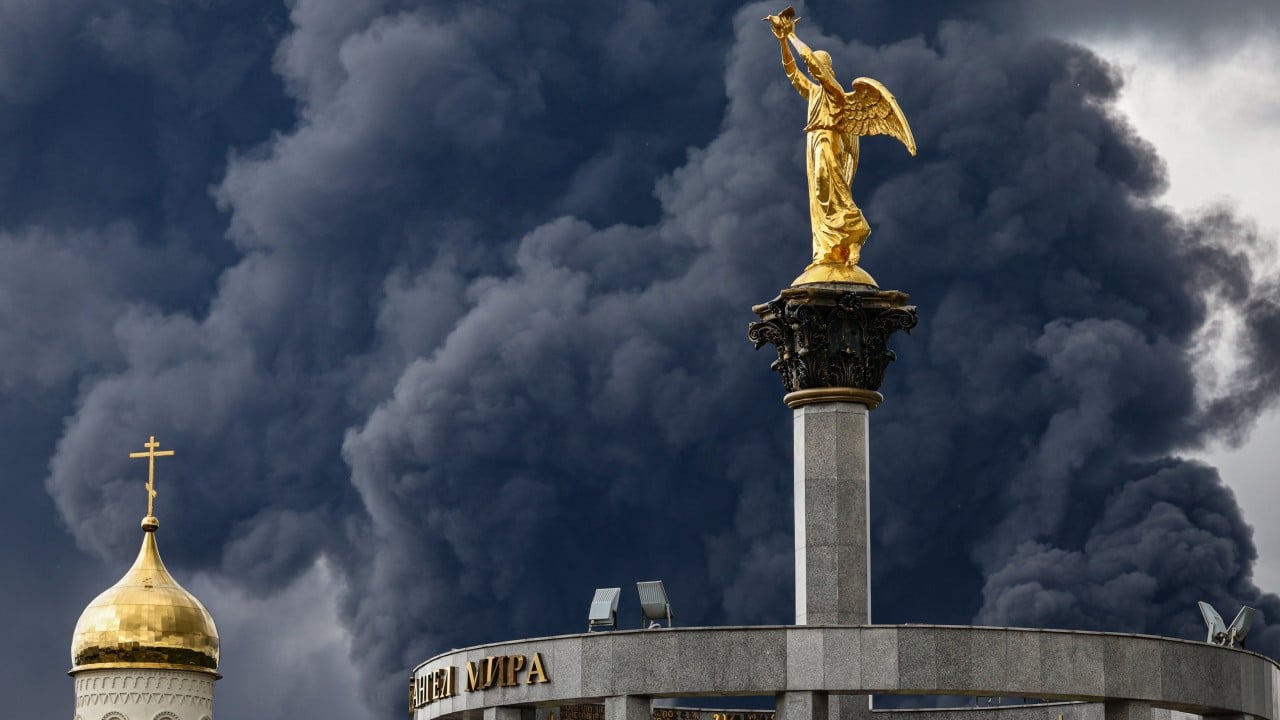
Russia has accused the US of failing to deliver on “understandings” reached between presidents Vladimir Putin and Donald Trump at a summit in Alaska last August, a shift that suggests growing frustration in Moscow. In the space of three days, three senior Russian officials have said, without providing specifics, that Washington has not followed through. Their comments follow an intensification of Ukraine’s drone strikes deep inside Russia – including two attacks last week on a Moscow oil...
Narrative Intelligence Brief
This article was published by South China Morning Post, a source frequently categorized with a lean left bias based in Hong Kong. Our narrative intelligence engine continuously monitors coverage from this outlet to track framing, bias, and rhetorical patterns. Our initial algorithmic scan of this specific piece did not flag high-confidence rhetorical techniques, suggesting a generally straightforward reporting style or neutral framing. By understanding the editorial perspective of South China Morning Post, readers can better contextualize the information presented and compare it across our broader media matrix to find the real narrative.
More from South China Morning Post
June 23, 2026
US Anthropic ban is best advert for Chinese AI
June 23, 2026
US stocks slide, as Wall Street gets AI wake-up call
June 23, 2026
Alibaba sues Pentagon over China military blacklist
June 23, 2026
US targets Cuba mining sector in move with implications for China-linked supply chains
June 23, 2026
Rastafarian man can’t sue prison guards who shaved him bald, US Supreme Court says
Analysis Methodology
This narrative analysis was generated using the CoDataLab Global Intelligence Engine. Our proprietary AI scans thousands of cross-border sources to identify sentiment patterns, framing techniques, and potential media bias. While AI provides the data-driven foundation, our objective is to empower readers with additional context beyond the standard headline.The content displayed above is a structured summary designed for rapid information processing. For the full original report, please visit the source outlet.More Coverage
Discussion
"cup"
Crimea is burning and Putin’s grip is weakened

Jeremy Doku’s Belgium World Cup return date confirmed as presenter apologises for "completely useless" comment
/https%3A%2F%2Fsportsmole-media-prod.s3.gra.io.cloud.ovh.net%2Fuploads%2F2026%2F06%2Faaa-jd-6a3a27296adb3055463402.jpg)
Russia’s deep Crimea crisis will only get worse
