Today in News History
On July 2, several notable moments in the history of News stand out. In 1915, Porfirio Díaz, Mexican general and politician, 29th President of Mexico (born 1830) passed away. In 1921, World War I: U.S. President Warren G. Harding signs the Knox-Porter Resolution formally ending the war between the United States and Germany. In 1931, Mohammad Yazdi, Iranian cleric (died 2020) was born. In 1940, World War II: The SS Arandora Star is sunk by U-47 in the North Atlantic with the loss of over 800 lives, mostly civilians. In 1942, Vicente Fox, Mexican businessman and politician, 35th President of Mexico was born. In 1947, Ann Taylor, Baroness Taylor of Bolton, English politician, Minister for International Security Strategy was born. In 1966, France conducts its first nuclear weapon test in the Pacific, on Moruroa Atoll. In 1986, Rodrigo Rojas and Carmen Gloria Quintana are burnt alive during a street demonstration against the dictatorship of General Augusto Pinochet in Chile. In 1990, In the 1990 Mecca tunnel tragedy, 1,400 Muslim pilgrims are suffocated to death and trampled upon in a pedestrian tunnel leading to the holy city of Mecca. In 2015, Jacobo Zabludovsky, Mexican journalist (born 1928) passed away. Together, these milestones provide historical context for today's news news and ongoing narratives.
‘Positive progress’ in US-Iran talks despite Strait of Hormuz strikes

Donald Trump claims ship numbers using a vital waterway is ‘setting records’, but this is not reflected by maritime monitoring.
Narrative Intelligence Brief
This article was published by The Standard, a source frequently categorized with a lean right bias based in United Kingdom. Our narrative intelligence engine continuously monitors coverage from this outlet to track framing, bias, and rhetorical patterns. Our initial algorithmic scan of this specific piece did not flag high-confidence rhetorical techniques, suggesting a generally straightforward reporting style or neutral framing. By understanding the editorial perspective of The Standard, readers can better contextualize the information presented and compare it across our broader media matrix to find the real narrative.
More from The Standard
July 1, 2026
Defence funding plan faces fresh scrutiny over where cuts will be made
July 1, 2026
Belgium 3-2 Senegal (AET): Youri Tielemans converts stoppage-time penalty to save World Cup dreams
July 1, 2026
The incredible stat that shows why England should fear Mexico showdown at World Cup 2026
July 1, 2026
King to start traditional game of hand ba’ during Jedburgh visit
July 1, 2026
England’s sights on Mexico after comeback victory over DR Congo
Analysis Methodology
This narrative analysis was generated using the CoDataLab Global Intelligence Engine. Our proprietary AI scans thousands of cross-border sources to identify sentiment patterns, framing techniques, and potential media bias. While AI provides the data-driven foundation, our objective is to empower readers with additional context beyond the standard headline.The content displayed above is a structured summary designed for rapid information processing. For the full original report, please visit the source outlet.More Coverage
Discussion
"belgium"
Tielemans’ controversial late penalty caps Belgium comeback over Senegal

'Remind me not to make that serious mistake' — does Garcia's charge really explain the Lions' collapse?
/https%3A%2F%2Fsportsmole-media-prod.s3.gra.io.cloud.ovh.net%2Fuploads%2F2025%2F11%2Fimago1067621581-1-6919a6804377e335044086.jpg)
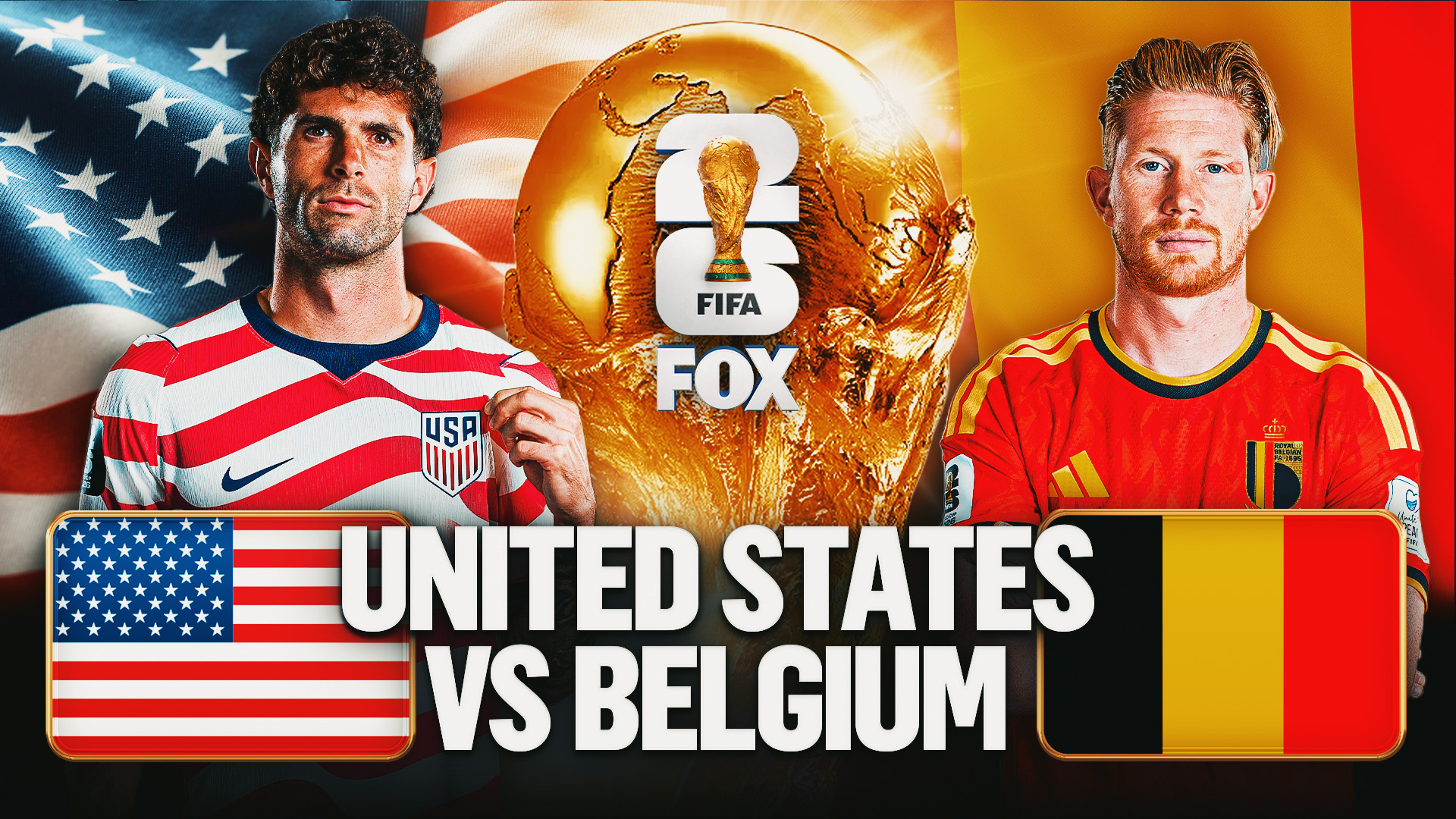
USA vs. Belgium Confirmed For The Round Of 16: Here's What To Know