Today in News History
On July 8, several notable moments in the history of News stand out. In 1167, The Byzantines defeat the Hungarian army decisively at Sirmium, forcing the Hungarians to sue for peace. In 1709, Peter I of Russia defeats Charles XII of Sweden at the Battle of Poltava, thus effectively ending Sweden's status as a major power in Europe. In 1894, Pyotr Kapitsa, Russian physicist and academic, Nobel Prize laureate (died 1984) was born. In 1914, Jyoti Basu, Indian politician, 6th Chief Minister of West Bengal (died 2010) was born. In 1919, Walter Scheel, German soldier and politician, 4th President of West Germany (died 2016) was born. In 1960, Francis Gary Powers is charged with espionage resulting from his flight over the Soviet Union. In 1961, Ces Drilon, Filipino journalist was born. In 1966, King Mwambutsa IV Bangiriceng of Burundi is deposed by his son Prince Charles Ndizi. In 1972, Israeli Mossad assassinate Palestinian writer Ghassan Kanafani. In 1994, Kim Jong Il begins to assume supreme leadership of North Korea upon the death of his father, Kim Il Sung. Together, these milestones provide historical context for today's news news and ongoing narratives.
Péter Magyar launches contested procedure to remove Hungary's president
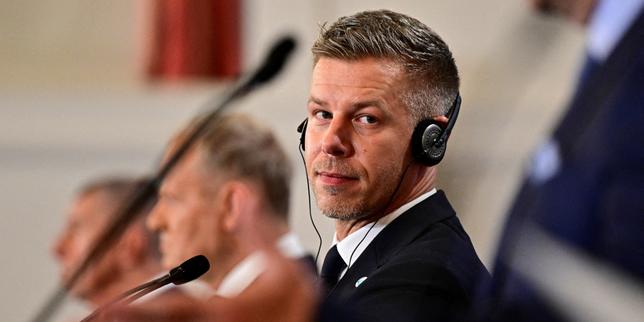
On July 7, the Hungarian parliament began to review a package of constitutional amendments that would remove President Tamas Sulyok, an ally of former prime minister Viktor Orban. This 'forceful' approach has drawn concern from several NGOs and advocates for the rule of law.
Narrative Intelligence Brief
This article was published by Le Monde, a source frequently categorized with a lean left bias based in France. Our narrative intelligence engine continuously monitors coverage from this outlet to track framing, bias, and rhetorical patterns. Our initial algorithmic scan of this specific piece did not flag high-confidence rhetorical techniques, suggesting a generally straightforward reporting style or neutral framing. By understanding the editorial perspective of Le Monde, readers can better contextualize the information presented and compare it across our broader media matrix to find the real narrative.
More from Le Monde
July 8, 2026
Marine Le Pen, phoenix of French far right, embarks on Elysée race
July 8, 2026
French government's plan against racism, antisemitism and discrimination not ambitious enough, activits say
July 8, 2026
In Venezuela, hope of finding survivors after the twin earthquakes gives way to mourning
July 8, 2026
In Venezuela, hope of finding survivors after earthquakes give way to mourning
July 8, 2026
In Venezuela, hope of finding survivors after earthquakes gives way to mourning
Analysis Methodology
This narrative analysis was generated using the CoDataLab Global Intelligence Engine. Our proprietary AI scans thousands of cross-border sources to identify sentiment patterns, framing techniques, and potential media bias. While AI provides the data-driven foundation, our objective is to empower readers with additional context beyond the standard headline.The content displayed above is a structured summary designed for rapid information processing. For the full original report, please visit the source outlet.More Coverage
Discussion
"nato summit"
Bombshell Allegation Rocks Graham Platner’s Campaign

Morning Roundup: Fraud case exposes administrative weakness, US–Iran tensions reignite, and NATO summit begins
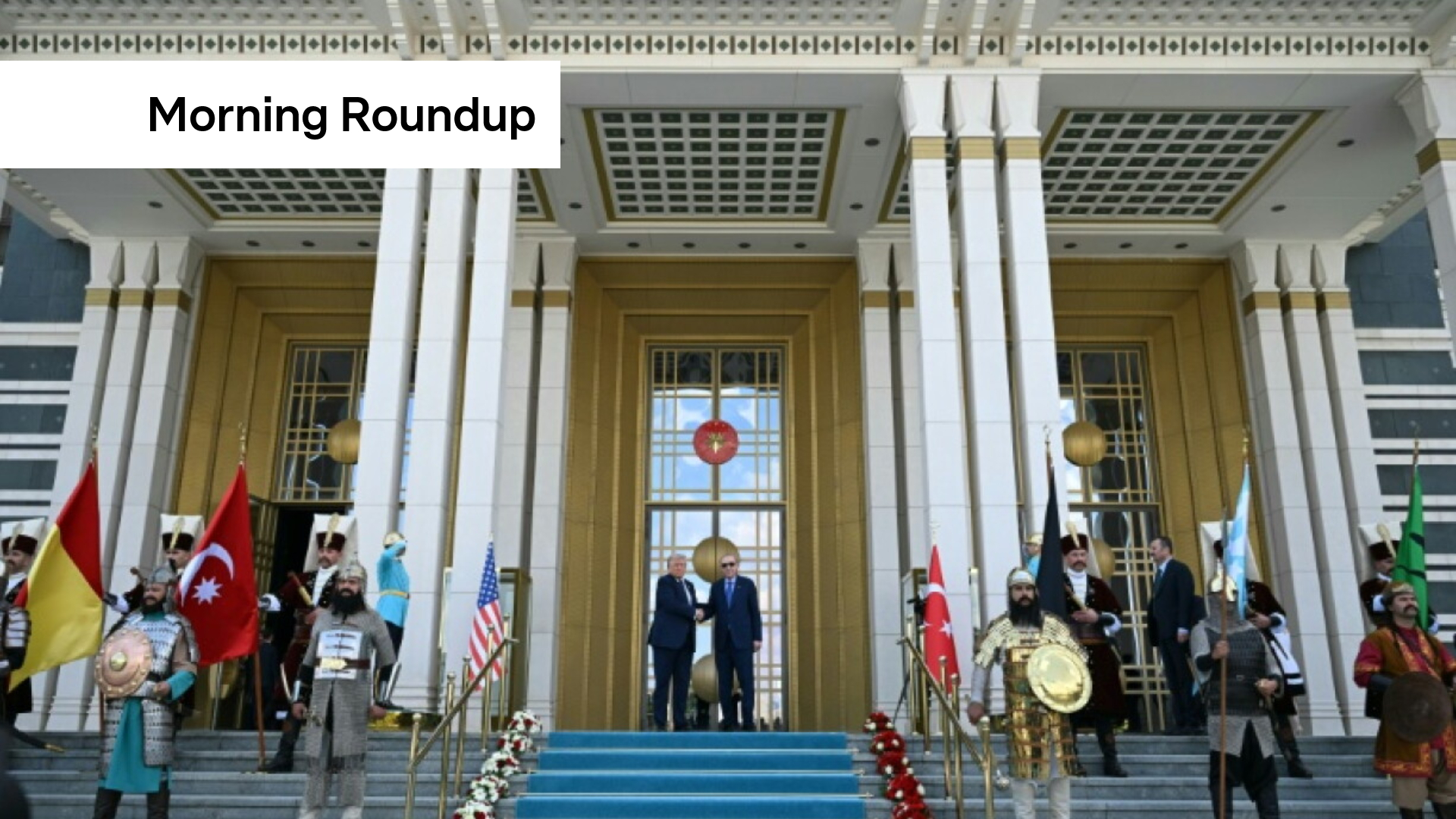
Trump hails Erdoğan 'chemistry,' renews criticism of NATO allies