Today in News History
On July 4, several notable moments in the history of News stand out. In 1656, John Leake, Royal Navy admiral (died 1720) was born. In 1845, Henry David Thoreau moves into a small cabin on Walden Pond in Concord, Massachusetts. Thoreau's account of his two years there, Walden, will become a touchstone of the environmental movement. In 1874, John McPhee, Australian journalist and politician, 27th Premier of Tasmania (died 1952) was born. In 1887, Pio Pion, Italian engineer and businessman (died 1965) was born. In 1898, Gulzarilal Nanda, Indian politician (died 1998) was born. In 1900, Belinda Dann, Indigenous Australian who was one of the Stolen Generation, reunited with family aged 107 (died 2007) was born. In 1935, Paul Scoon, Grenadian politician, 2nd Governor-General of Grenada (died 2013) was born. In 1976, Yonatan Netanyahu, Israeli colonel (born 1946) passed away. In 1982, Three Iranian diplomats and a journalist are kidnapped in Lebanon by Phalange forces, and their fate remains unknown. In 2024, The Labour Party, led by Keir Starmer, wins a landslide majority in the 2024 United Kingdom general election, ending 14 years of Conservative government. Together, these milestones provide historical context for today's news news and ongoing narratives.
Pauline Hanson says One Nation can win Labor stronghold of Secret Harbour as Paul Papalia rumoured to retire
EXCLUSIVE: Pauline Hanson says One Nation can take the Labor fortress of Secret Harbour, with the Labor stronghold’s MP Paul Papalia thought to be ready to announce his resignation as early as Monday.
Narrative Intelligence Brief
This article was published by The West Australian, a source frequently categorized with a lean right bias based in Australia. Our narrative intelligence engine continuously monitors coverage from this outlet to track framing, bias, and rhetorical patterns. Our initial algorithmic scan of this specific piece did not flag high-confidence rhetorical techniques, suggesting a generally straightforward reporting style or neutral framing. By understanding the editorial perspective of The West Australian, readers can better contextualize the information presented and compare it across our broader media matrix to find the real narrative.
More from The West Australian
July 4, 2026
Alex ‘Shooter’ Williamson: Australian comedian under fire for ‘disgraceful’ joke about Socceroos
July 4, 2026
Erica Coyne, Lloyd Mitchell: WA Police investigating ‘new’ reports after $1m reward announced after deaths
July 4, 2026
Blossoming Japan make Italians pay for their mistakes
July 4, 2026
Who were the celebrities at Taylor Swift's wedding?
July 4, 2026
Thunderbirds crush Vixens in historic Super Netball GF
Analysis Methodology
This narrative analysis was generated using the CoDataLab Global Intelligence Engine. Our proprietary AI scans thousands of cross-border sources to identify sentiment patterns, framing techniques, and potential media bias. While AI provides the data-driven foundation, our objective is to empower readers with additional context beyond the standard headline.The content displayed above is a structured summary designed for rapid information processing. For the full original report, please visit the source outlet.More Coverage
Discussion
"iran"
‘Send them to Iran’: Trump spokeswoman issues dire assessment of ‘lazy’ Gen Zers

[Photo] JUST IN: 🇮🇷 Iranian President Pezeshkian says Iran will hold perpetrators of crimes ag [...]
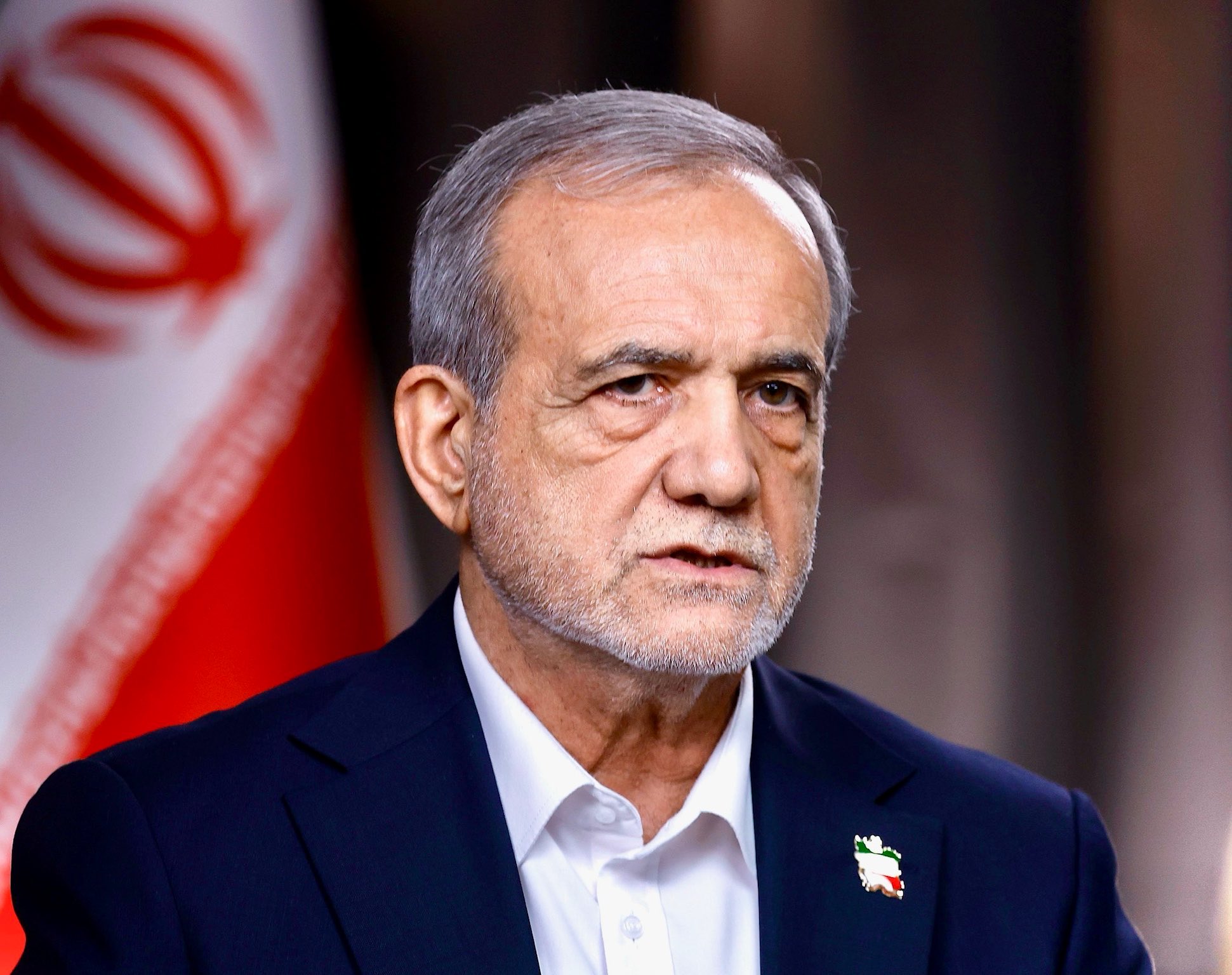
Pezeshkian hails Turkey’s coop., support during imposed war