Today in News History
On June 27, several notable moments in the history of News stand out. In 1499, Amerigo Vespucci sights what is now Amapá State in Brazil. In 1914, Robert Aickman, English author and activist, co-founded the Inland Waterways Association (died 1981) was born. In 1919, Amala Shankar, Indian danseuse (died 2020) was born. In 1962, Paul Viiding, Estonian author, poet, and critic (born 1904) passed away. In 1970, Jo Frost, English nanny, television personality, and author was born. In 1975, G.I. Taylor, English mathematician and physicist (born 1886) passed away. In 1981, The Central Committee of the Chinese Communist Party issues its "Resolution on Certain Questions in the History of Our Party Since the Founding of the People's Republic of China", laying the blame for the Cultural Revolution on Mao Zedong. In 1989, A. J. Ayer, English philosopher and academic (born 1910) passed away. In 2006, Ángel Maturino Reséndiz, Mexican serial killer (born 1960) passed away. In 2017, Peter L. Berger, Austrian sociologist (born 1929) passed away. Together, these milestones provide historical context for today's news news and ongoing narratives.
Nvidia’s Jensen Huang says society needs ‘new social norms’ in the age of AI

Nvidia CEO Jensen Huang – whose work helped enable artificial intelligence – stressed in an interview on Tuesday that society has no choice but to change in the advent of AI. Huang has been optimistic about the technology’s potential to rapidly change society, creating faster economic growth and more scientific breakthroughs. But as the head of a computer chip company now developing AI systems, Huang has felt obliged to respond to critics who warn of job losses and threats to humanity...
Narrative Intelligence Brief
This article was published by South China Morning Post, a source frequently categorized with a lean left bias based in Hong Kong. Our narrative intelligence engine continuously monitors coverage from this outlet to track framing, bias, and rhetorical patterns. Our initial algorithmic scan of this specific piece did not flag high-confidence rhetorical techniques, suggesting a generally straightforward reporting style or neutral framing. By understanding the editorial perspective of South China Morning Post, readers can better contextualize the information presented and compare it across our broader media matrix to find the real narrative.
More from South China Morning Post
June 27, 2026
US, Mexico Catholic bishops call for humane treatment of migrants
June 27, 2026
Australia PM: ‘too many children on social media’, ban too easy to avoid
June 27, 2026
Boy, 11, showing signs of heatstroke dies after run at Hong Kong sports ground
June 27, 2026
Boy dies after suspected heatstroke at Tseung Kwan O Sports Ground in Hong Kong
June 27, 2026
‘This is an unhealthy environment’: Arctic researcher Li Xueke leaves the US for Hong Kong
Analysis Methodology
This narrative analysis was generated using the CoDataLab Global Intelligence Engine. Our proprietary AI scans thousands of cross-border sources to identify sentiment patterns, framing techniques, and potential media bias. While AI provides the data-driven foundation, our objective is to empower readers with additional context beyond the standard headline.The content displayed above is a structured summary designed for rapid information processing. For the full original report, please visit the source outlet.More Coverage
Discussion
"venezuela"
Venezuela quakes kill almost 1,500, with millions more in need
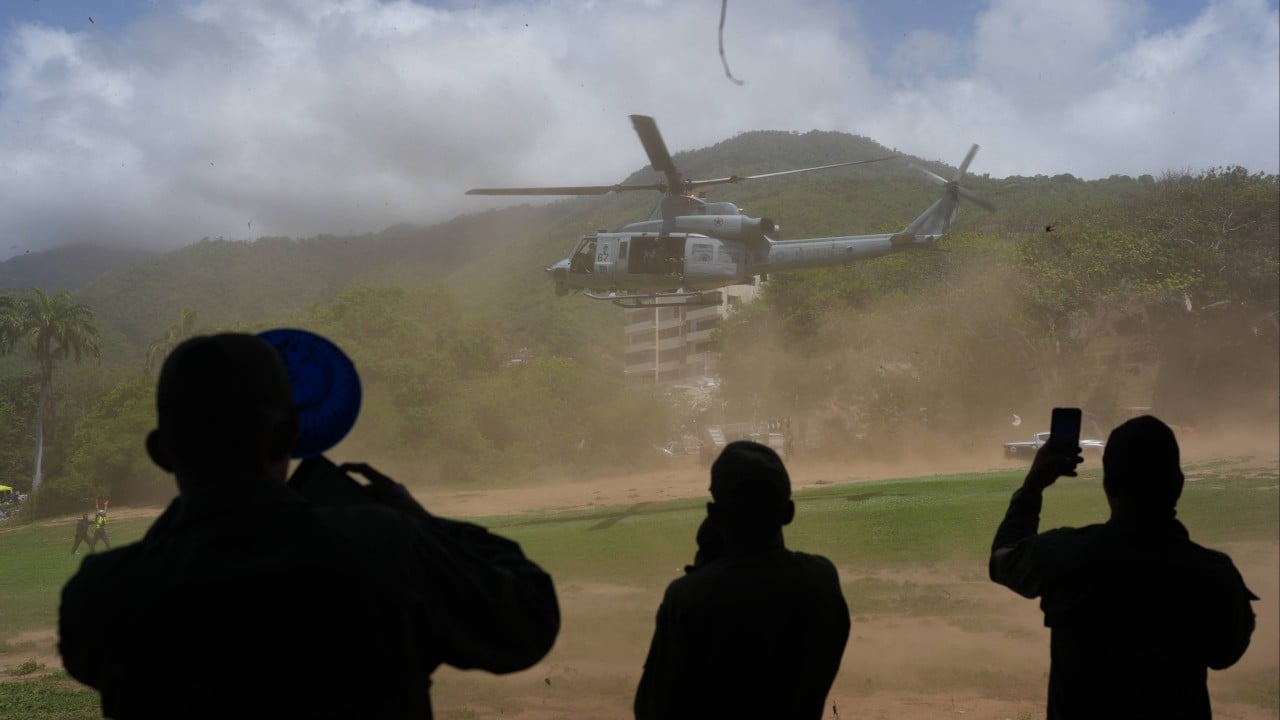
Canadian teacher in Venezuela describes chaos as earthquakes’ death toll climbs

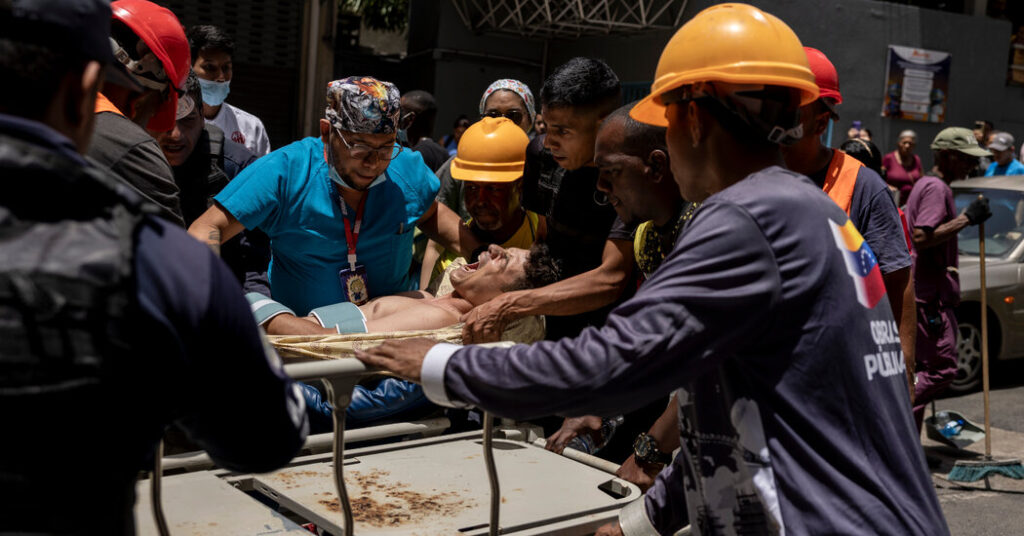
Scenes of Collapse: The Emergency at Venezuela’s Hospitals