Today in News History
On June 18, several notable moments in the history of News stand out. In 1858, Charles Darwin receives a paper from Alfred Russel Wallace that includes nearly identical conclusions about evolution as Darwin's own, prompting Darwin to publish his theory. In 1915, Alice T. Schafer, American mathematician (died 2009) was born. In 1929, Jürgen Habermas, German sociologist and philosopher was born. In 1939, Jean-Claude Germain, Canadian historian, author, and journalist was born. In 1939, Brooks Firestone, American businessman and politician was born. In 1946, Russell Ash, English journalist and author (died 2010) was born. In 1948, Sherry Turkle, American academic, psychologist, and sociologist was born. In 1951, Ian Hargreaves, English-Welsh journalist and academic was born. In 1970, Greg Yaitanes, American director and producer was born. In 2013, Michael Hastings, American journalist and author (born 1980) passed away. Together, these milestones provide historical context for today's news news and ongoing narratives.
‘MythBusters’ Once Tested ‘Seinfeld’s Double-Dipping Theory, and George Was Kind of Vindicated
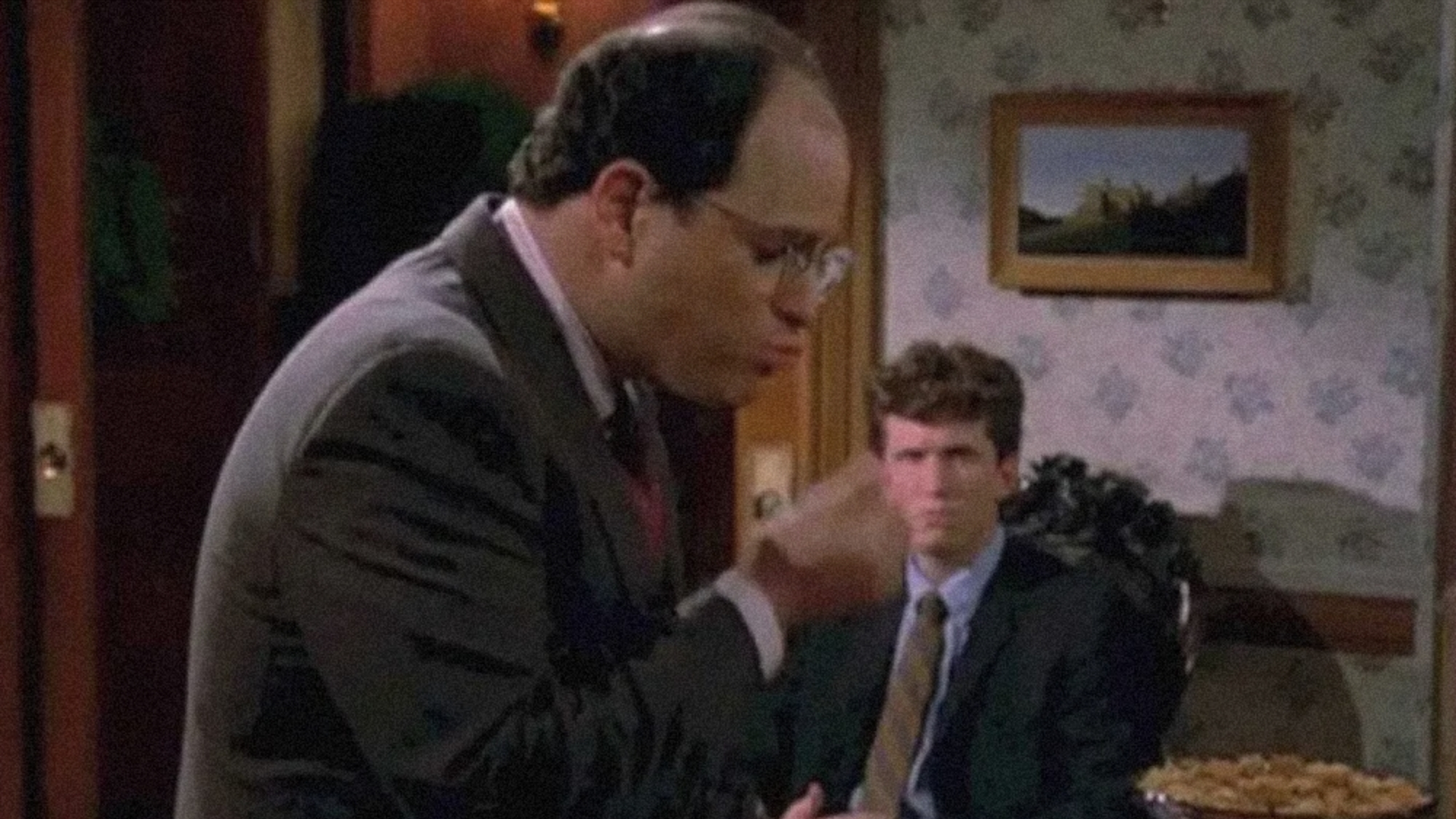
With 180 episodes under its belt, Seinfeld has more than a few contenders to choose from when it comes to unforgettable moments. One legendary scene that loyal viewers undoubtedly remember is the sequence from Season 4’s “The Implant,” in which George gets called out for double-dipping a chip. “You dipped the chip, you took a []
Narrative Intelligence Brief
This article was published by DNyuz, a source frequently categorized with a lean right bias based in Armenia. Our narrative intelligence engine continuously monitors coverage from this outlet to track framing, bias, and rhetorical patterns. Our initial algorithmic scan of this specific piece did not flag high-confidence rhetorical techniques, suggesting a generally straightforward reporting style or neutral framing. By understanding the editorial perspective of DNyuz, readers can better contextualize the information presented and compare it across our broader media matrix to find the real narrative.
More from DNyuz
June 18, 2026
How Top Gun fighter pilots actually work, according to a former instructor
June 18, 2026
There might be one advantage to climate change: More home runs at Dodger Stadium
June 18, 2026
Warsh Wants the Fed to Send Fewer Signals. That Comes With Risks.
June 18, 2026
Trump’s ballroom raids $350M meant for Secret Service: report
June 18, 2026
Gas prices fall under $4 as Trump signs deal to reopen Strait of Hormuz
Analysis Methodology
This narrative analysis was generated using the CoDataLab Global Intelligence Engine. Our proprietary AI scans thousands of cross-border sources to identify sentiment patterns, framing techniques, and potential media bias. While AI provides the data-driven foundation, our objective is to empower readers with additional context beyond the standard headline.The content displayed above is a structured summary designed for rapid information processing. For the full original report, please visit the source outlet.More Coverage
Discussion
"cup"
Bravo’s Insane ‘Summer House’ Scandal Just Got Worse

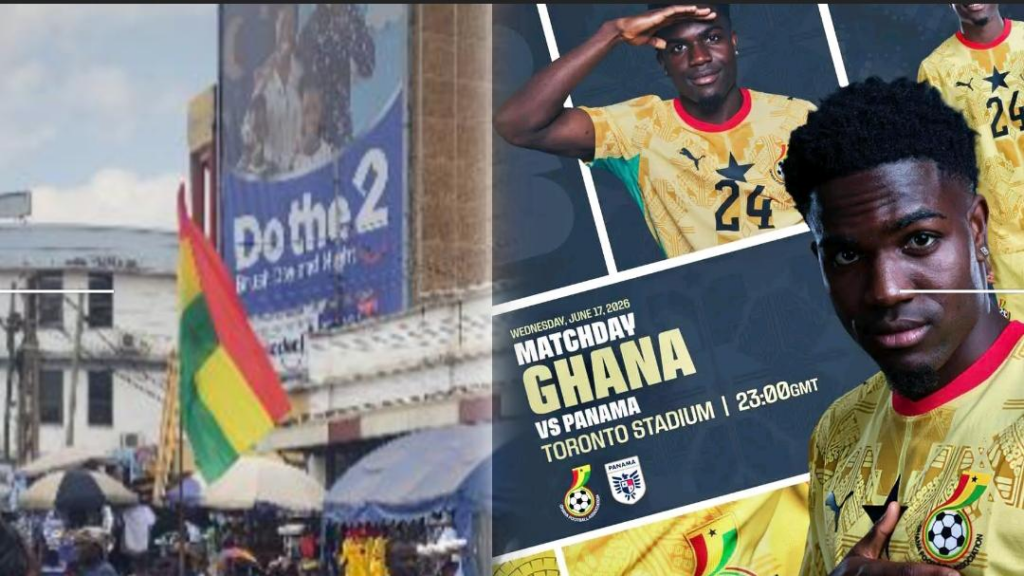
Failure to beat Panama in World Cup group stage will be disappointing – Ghanaian fans to Black Stars
Fraudster jailed after raking in £300k by sitting students’ exams and completing their coursework