Today in News History
On June 25, several notable moments in the history of News stand out. In 1906, Pittsburgh, Pennsylvania millionaire Harry Thaw shoots and kills prominent architect Stanford White. In 1922, Satyendranath Dutta, Indian poet and author (born 1882) passed away. In 1936, B. J. Habibie, Indonesian engineer and politician, 3rd President of Indonesia (died 2019) was born. In 1951, Eva Bayer-Fluckiger, Swiss mathematician and academic was born. In 1972, Saif al-Islam Gaddafi, Libyan engineer and politician was born. In 1974, Nisha Ganatra, Canadian director, producer, and screenwriter was born. In 1999, Fred Trump, American real estate developer and businessman (born 1905) passed away. In 2007, Jeeva, Indian director, cinematographer, and screenwriter (born 1963) passed away. In 2009, Farrah Fawcett, American actress and producer (born 1947) passed away. In 2012, George Randolph Hearst, Jr., American businessman (born 1927) passed away. Together, these milestones provide historical context for today's news news and ongoing narratives.
Meet Shankh Mitra, Indian-origin CEO ranked second-highest paid in the world after Elon Musk
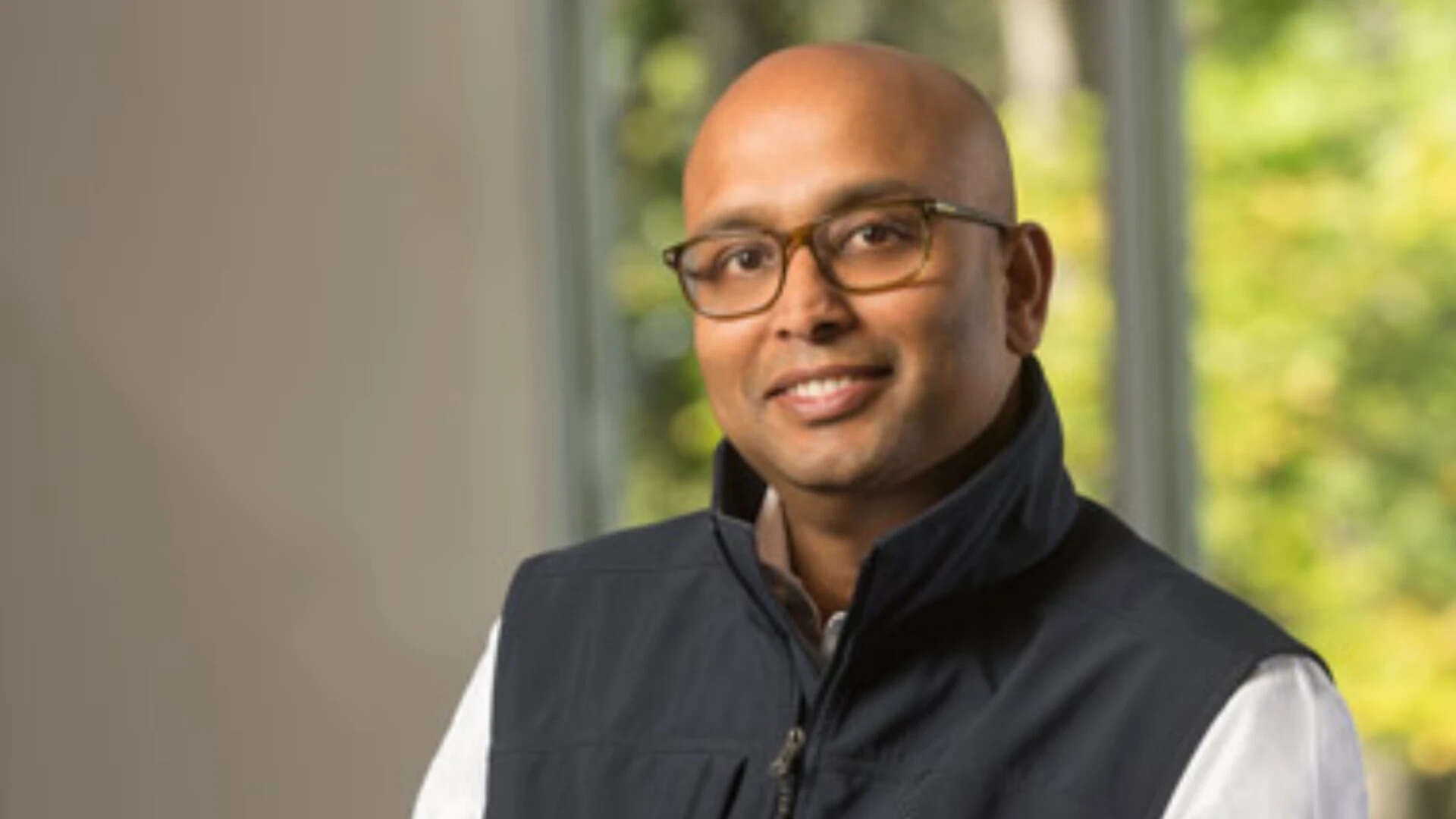
Shankh Mitra, an engineer originally from Kolkata, is making headlines as he takes the helm at Welltower, earning the title of the world's second-highest paid CEO. His remarkable compensation of 821 million in 2025, primarily through stock awards linked to the company's long-term success, exemplifies the rising trend in executive remuneration. Mitra's inspiring path from Jadavpur University to corporate stardom serves as a motivating story for many aspiring leaders.
Narrative Intelligence Brief
This article was published by Times of India, a source frequently categorized with a lean right bias based in India. Our narrative intelligence engine continuously monitors coverage from this outlet to track framing, bias, and rhetorical patterns. Our initial algorithmic scan of this specific piece did not flag high-confidence rhetorical techniques, suggesting a generally straightforward reporting style or neutral framing. By understanding the editorial perspective of Times of India, readers can better contextualize the information presented and compare it across our broader media matrix to find the real narrative.
More from Times of India
June 25, 2026
‘Satan took over me’: Afghan migrant gives bizarre reason for raping two minors in England
June 25, 2026
Nigerian proverb of the day: "What an old man sees while lying down, a young man can never see even when he climbs up in a tree" and a lesson in experience, judgement and wisdom
June 25, 2026
World’s fastest supercomputer 2026: China’s LineShine overtakes US system in TOP500 ranking
June 25, 2026
Want to die as an Indian: 94-year-old Andhra woman renounces US citizenship, meets collector to officially become Indian
June 25, 2026
Ethiopian proverb of the day: 'When spider webs unite, they can tie up a lion'
Analysis Methodology
This narrative analysis was generated using the CoDataLab Global Intelligence Engine. Our proprietary AI scans thousands of cross-border sources to identify sentiment patterns, framing techniques, and potential media bias. While AI provides the data-driven foundation, our objective is to empower readers with additional context beyond the standard headline.The content displayed above is a structured summary designed for rapid information processing. For the full original report, please visit the source outlet.More Coverage
Discussion
"trump"
Deadly Cost of Trump’s ICE Crackdown Revealed

Anti-ICE Protestors in Texas Given Harsh, Excessive Prison Sentences

Commies taking over NYC is not shocking when you see how pathetic voter turnout was