
Today in News History
On July 1, several notable moments in the history of News stand out. In 1881, General Order 70, the culmination of the Cardwell and Childers reforms of the British Army, comes into effect. In 1903, Amy Johnson, English pilot (died 1941) was born. In 1919, Gerald E. Miller, American vice admiral (died 2014) was born. In 1919, Arnold Meri, Estonian colonel (died 2009) was born. In 1923, Scotty Bowers, American marine, author and pimp (died 2019) was born. In 1927, Joseph Martin Sartoris, American bishop was born. In 1951, Anne Feeney, American singer-songwriter and activist (died 2021) was born. In 2002, Bashkirian Airlines Flight 2937, a Tupolev Tu-154, and DHL Flight 611, a Boeing 757, collide in mid-air over Überlingen, southern Germany, killing all 71 on board both planes. In 2012, Alan G. Poindexter, American captain, pilot and astronaut (born 1961) passed away. In 2024, At the centennial ceremony of the Dominion of Newfoundland National War Memorial, the Commonwealth War Graves Commission allowed an unprecedented second Canadian Tomb of the Unknown Soldier. The Royal Newfoundland Regiment solder was entombed in the memorial at this ceremony. Together, these milestones provide historical context for today's news news and ongoing narratives.
Massie enters resolution to honor 34 killed in 1967 USS Liberty incident
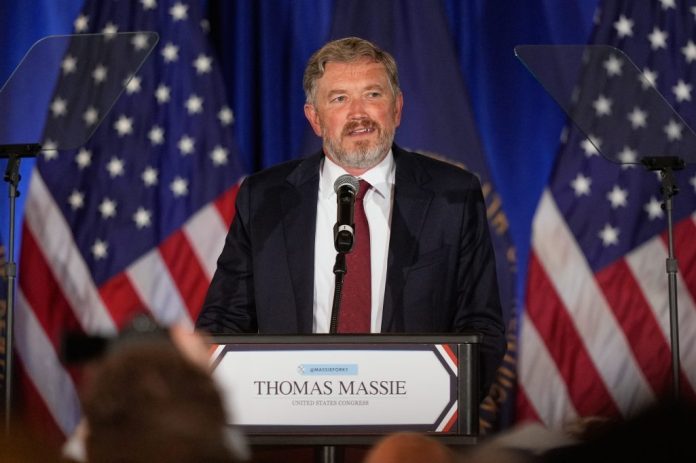
Rep. Thomas Massie (R-KY) filed a resolution Tuesday to honor the 34 Americans killed in a 1967 Israeli attack on a U.S. Navy ship that was ruled an accident by both governments, marking the latest move from Massie criticizing Israel. On June 8, 1967, during the Six-Day War, the USS Liberty, an American ship deployed []
Narrative Intelligence Brief
This article was published by Washington Examiner, a source frequently categorized with a lean right bias based in United States of America. Our narrative intelligence engine continuously monitors coverage from this outlet to track framing, bias, and rhetorical patterns. Our initial algorithmic scan of this specific piece did not flag high-confidence rhetorical techniques, suggesting a generally straightforward reporting style or neutral framing. By understanding the editorial perspective of Washington Examiner, readers can better contextualize the information presented and compare it across our broader media matrix to find the real narrative.
More from Washington Examiner
July 1, 2026
House votes to disclose members’ taxpayer-funded sexual misconduct settlements
July 1, 2026
Phil Weiser holds off Sen. Michael Bennet to secure Colorado Democratic governor nomination
July 1, 2026
Manny Rutinel wins Democratic primary to face Gabe Evans in crucial Colorado House seat
July 1, 2026
Incumbent Hickenlooper wins Democratic nomination for Senate in Colorado
July 1, 2026
Boebert heads to November election after Trump called for primary challenge
Analysis Methodology
This narrative analysis was generated using the CoDataLab Global Intelligence Engine. Our proprietary AI scans thousands of cross-border sources to identify sentiment patterns, framing techniques, and potential media bias. While AI provides the data-driven foundation, our objective is to empower readers with additional context beyond the standard headline.The content displayed above is a structured summary designed for rapid information processing. For the full original report, please visit the source outlet.More Coverage
Discussion
"die"
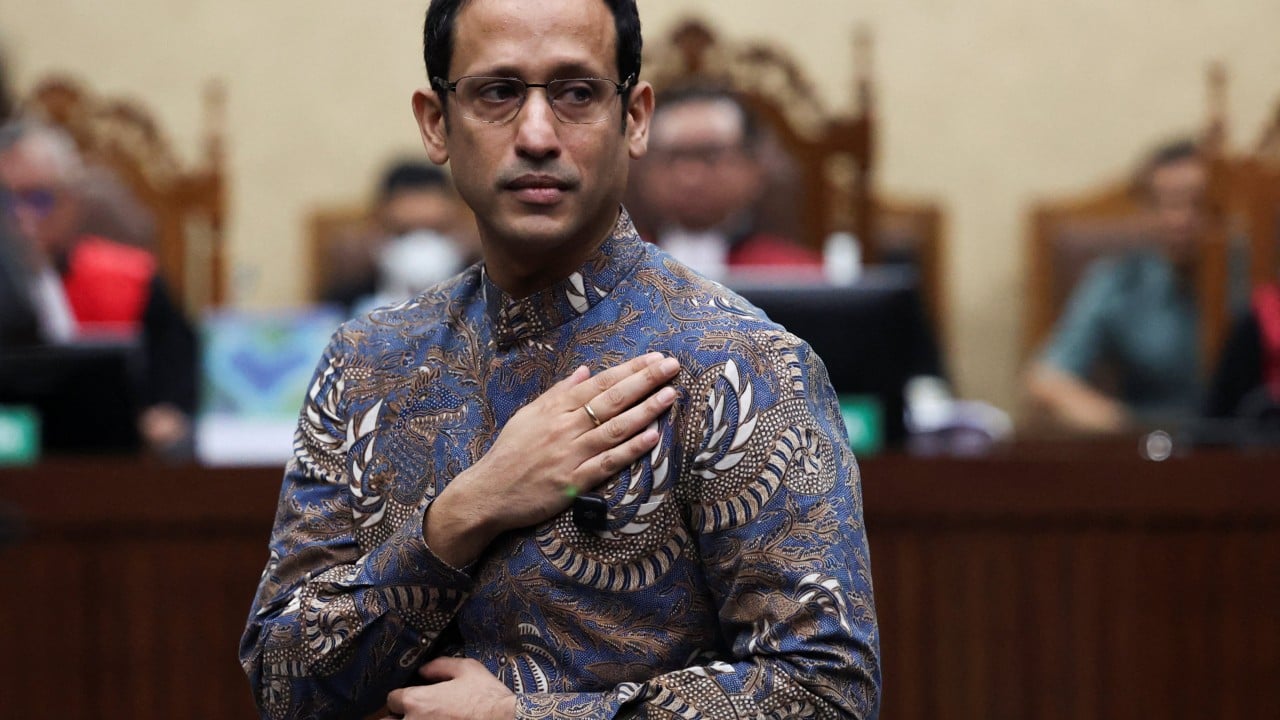
Does Gojek co-founder’s guilty verdict test Indonesia’s investor climate?
12 dead, nearly 500 flood victims rescued – GNFS

‘If I don’t get this, they’ll die’: Gidgegannup mum fears the worst for her twins over lack of NDIS support
