Today in News History
On June 21, several notable moments in the history of News stand out. In 1864, Heinrich Wölfflin, Swiss historian and critic (died 1945) was born. In 1898, The United States captures Guam from Spain. The few warning shots fired by the U.S. naval vessels are misinterpreted as salutes by the Spanish garrison, which was unaware that the two nations were at war. In 1924, Ezzatolah Entezami, Iranian actor (died 2018) was born. In 1942, World War II: A Japanese submarine surfaces near the Columbia River in Oregon, firing 17 shells at Fort Stevens in one of only a handful of attacks by Japan against the United States mainland. In 1947, Shirin Ebadi, Iranian lawyer, judge, and activist, Nobel Prize laureate was born. In 1973, The Primer Congreso del Hombre Andino is inaugurated in Arica, Chile. In 1982, John Hinckley is found not guilty by reason of insanity for the attempted assassination of U.S. President Ronald Reagan. In 1985, Braathens SAFE Flight 139 is hijacked on approach to Oslo Airport, Fornebu. Special forces arrest the hijacker and there are no fatalities. In 2000, Alan Hovhaness, Armenian-American pianist and composer (born 1911) passed away. In 2001, Soad Hosny, Egyptian actress and singer (born 1942) passed away. Together, these milestones provide historical context for today's news news and ongoing narratives.
Live updates: Iran says Strait of Hormuz closed, US denies
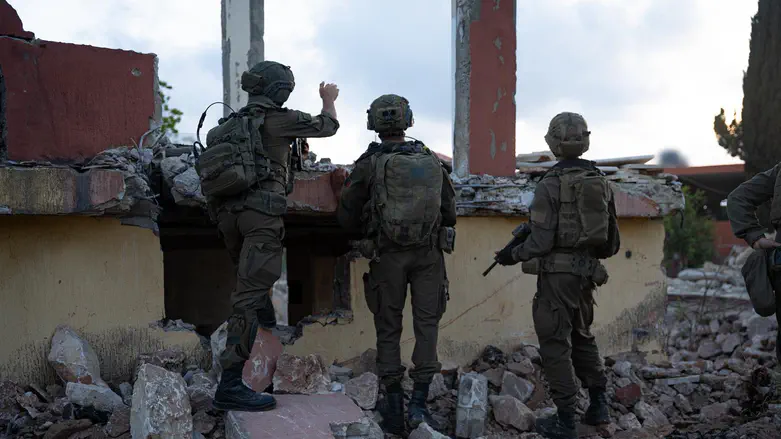
Trump and Pezeshkian sign agreement to open the Strait of Hormuz, end the conflict, grant Iran financial benefits, and begin nuclear negotiations. Live Updates.
Narrative Intelligence Brief
This article was published by Arutz Sheva, a source frequently categorized with a lean right bias based in Israel. Our narrative intelligence engine continuously monitors coverage from this outlet to track framing, bias, and rhetorical patterns. Our initial algorithmic scan of this specific piece did not flag high-confidence rhetorical techniques, suggesting a generally straightforward reporting style or neutral framing. By understanding the editorial perspective of Arutz Sheva, readers can better contextualize the information presented and compare it across our broader media matrix to find the real narrative.
More from Arutz Sheva
June 20, 2026
Dear Mr. Vance: This is exactly the situation you kill your way out of
June 20, 2026
IDF eliminates Hamas terrorist posing as photojournalist
June 20, 2026
Yoav, Liav, and Nir fell in southern Lebanon
June 20, 2026
Rabbi Yitzhak Yosef: Trump spurned us due to arrest of yeshiva students
June 20, 2026
Investigation: Missile hit tank, created opening for explosive drone
Analysis Methodology
This narrative analysis was generated using the CoDataLab Global Intelligence Engine. Our proprietary AI scans thousands of cross-border sources to identify sentiment patterns, framing techniques, and potential media bias. While AI provides the data-driven foundation, our objective is to empower readers with additional context beyond the standard headline.The content displayed above is a structured summary designed for rapid information processing. For the full original report, please visit the source outlet.More Coverage
Discussion
"cup"
Cold War Steve on … the arrival of the World Cup superheroes

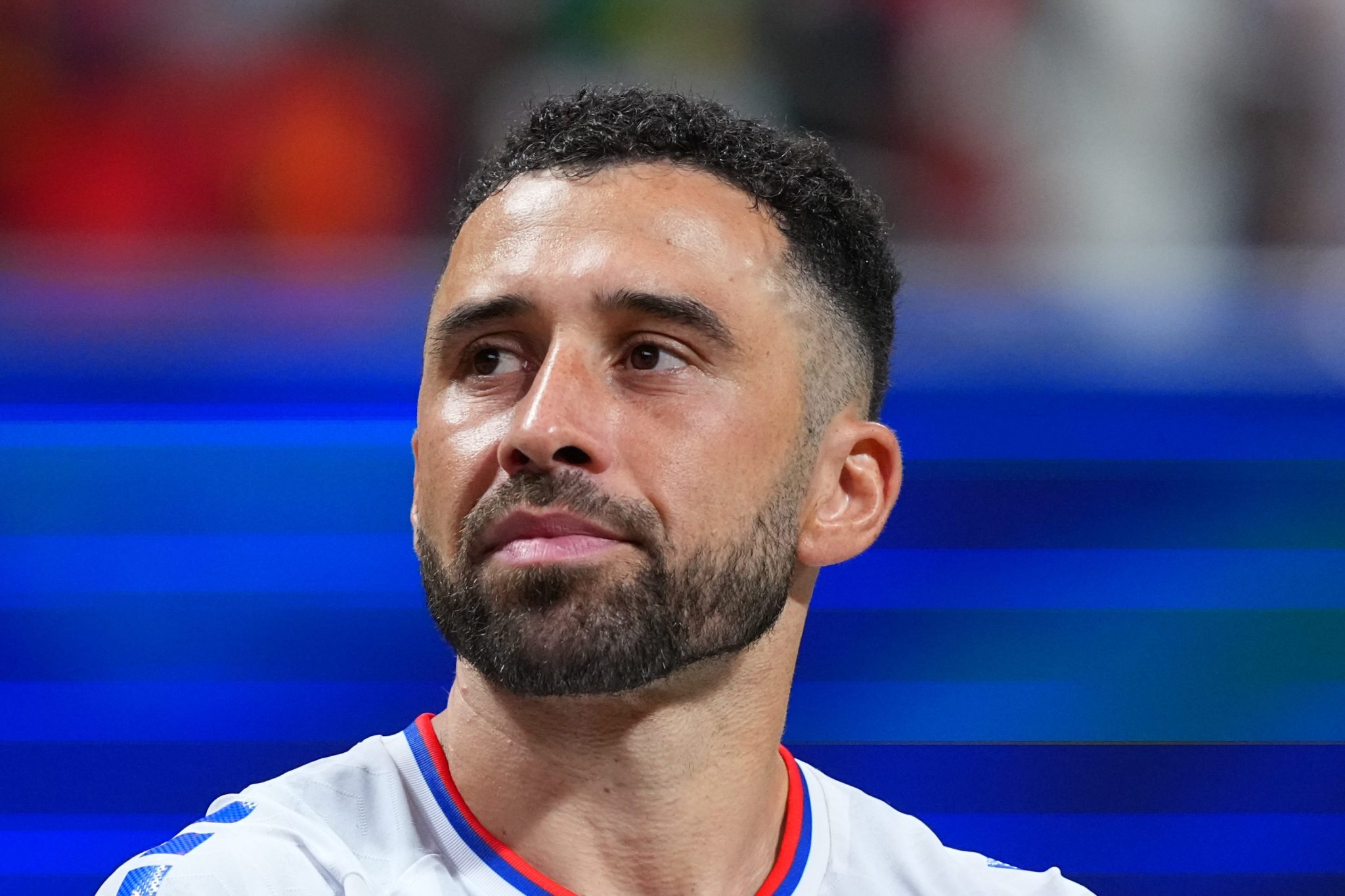
Cape Verde’s Roberto Lopes was working at a bank when he was recruited on LinkedIn to play soccer—he thought it was spam, now he’s at the World Cup
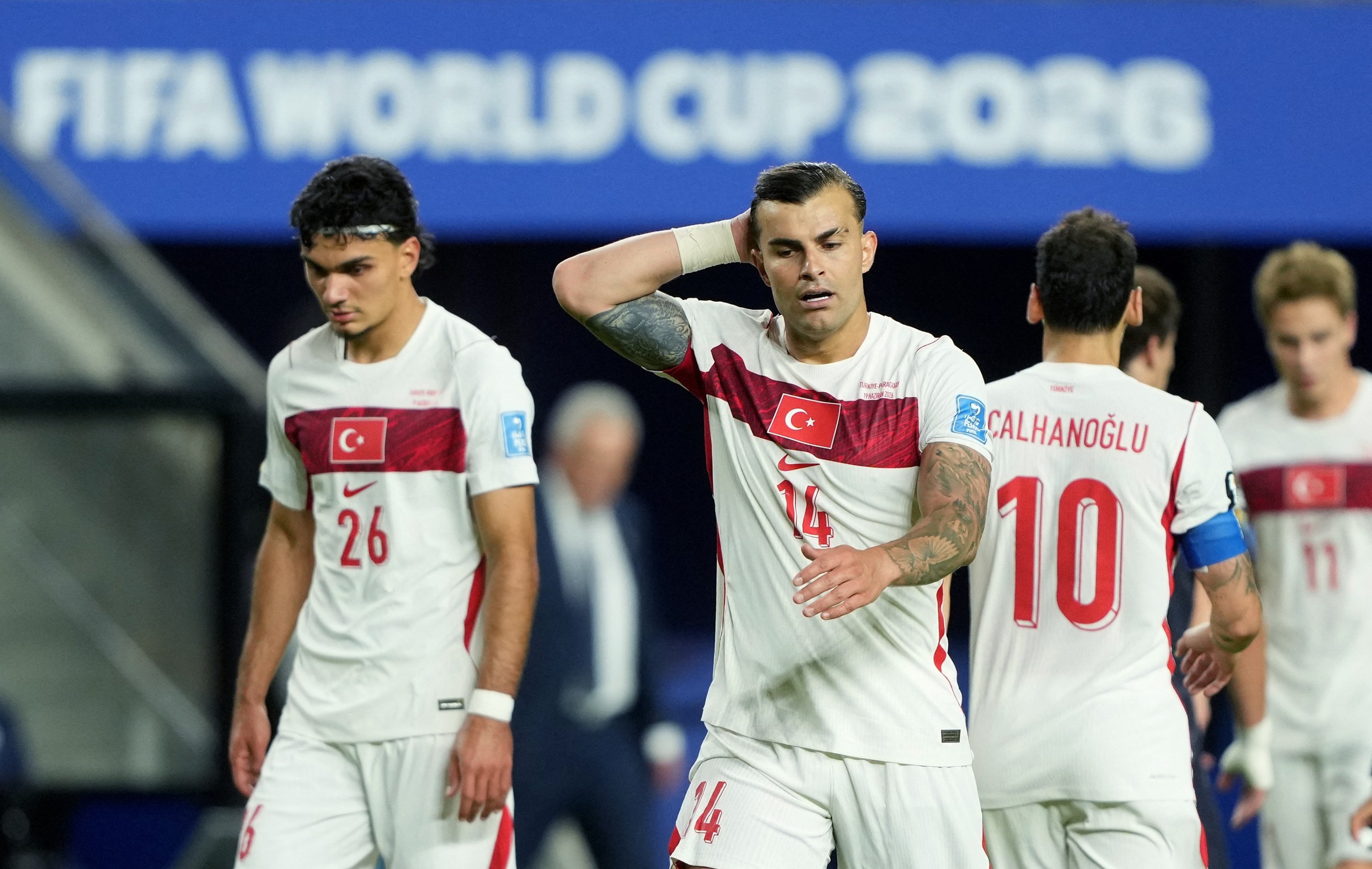
Türkiye eliminated from World Cup after 1-0 loss to Paraguay