
Today in News History
On June 22, several notable moments in the history of News stand out. In 1633, The Holy Office in Rome forces Galileo Galilei to recant his view that the Sun, not the Earth, is the center of the Universe in the form he presented it in, after heated controversy. In 1914, Mei Zhi, Chinese author and essayist (died 2004) was born. In 1918, Yeoh Ghim Seng, Singaporean politician, acting President of Singapore (died 1993) was born. In 1940, World War II: France is forced to sign the Second Compiègne armistice with Germany, in the same railroad car in which the Germans signed the Armistice in 1918. In 1947, Bruno Latour, French philosopher, anthropologist and sociologist (died 2022) was born. In 1962, Stephen Chow, Hong Kong actor, director, producer, and screenwriter was born. In 1965, The Treaty on Basic Relations between Japan and the Republic of Korea is signed. In 1965, Uwe Boll, German director, producer, and screenwriter was born. In 2002, An earthquake measuring 6.5 Mw strikes a region of northwestern Iran killing at least 261 people and injuring 1,300 others and eventually causing widespread public anger due to the slow official response. In 2017, Mao Kobayashi, Japanese newscaster and actress (born 1982) passed away. Together, these milestones provide historical context for today's news news and ongoing narratives.
Lagarde Says China Should Be Part of Any Talks on FX Imbalances
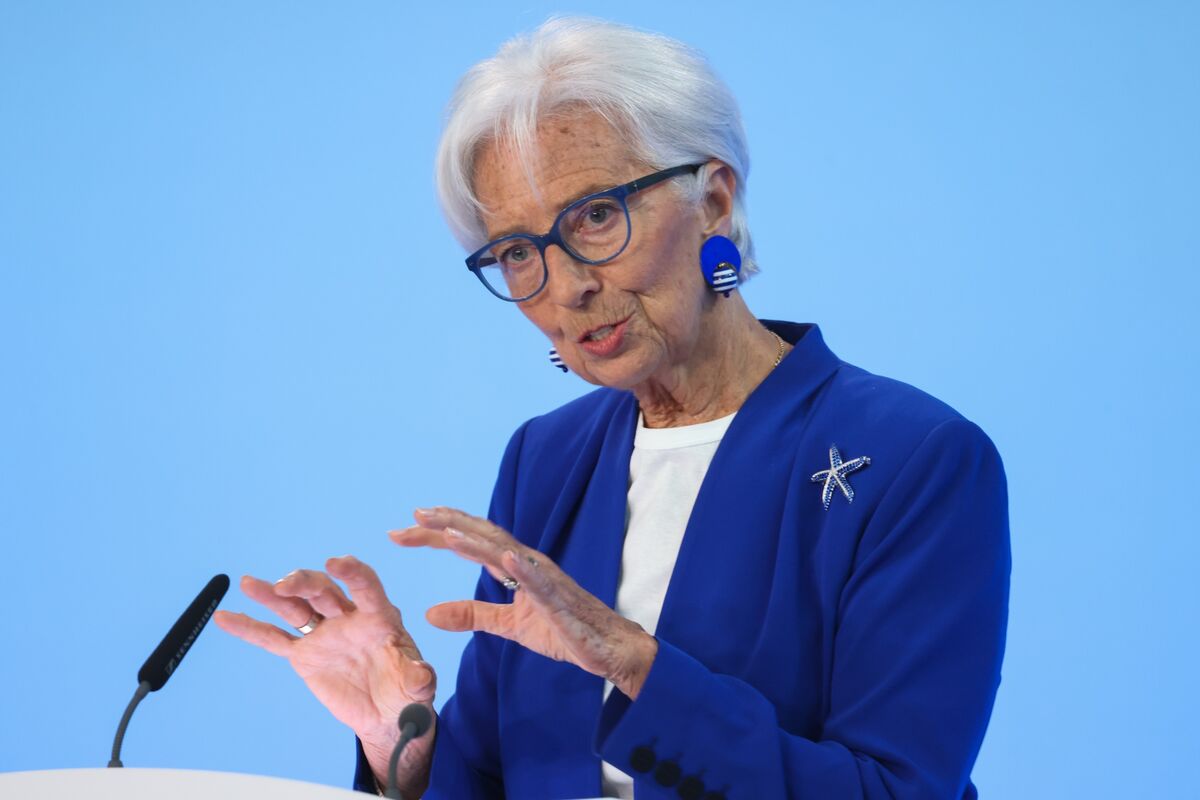
Any Group of Seven talks on currency valuations need to include China, according to European Central Bank President Christine Lagarde.
Narrative Intelligence Brief
This article was published by Bloomberg, a source frequently categorized with a lean left bias based in United States of America. Our narrative intelligence engine continuously monitors coverage from this outlet to track framing, bias, and rhetorical patterns. Our initial algorithmic scan of this specific piece did not flag high-confidence rhetorical techniques, suggesting a generally straightforward reporting style or neutral framing. By understanding the editorial perspective of Bloomberg, readers can better contextualize the information presented and compare it across our broader media matrix to find the real narrative.
More from Bloomberg
June 22, 2026
Easing of US Oil Sanctions Opens Brief Window for Iran Imports
June 22, 2026
Iran Shipped 30 Million Barrels of Oil in Week Before US Waiver
June 22, 2026
Psychedelic Drugmaker Definium Surges on Depression Drug Success
June 22, 2026
Dennis Lockhart on Greenspan's Legacy, Warsh's Path Ahead
June 22, 2026
Morgan Stanley's Gower: Fed Holding Rates Through '26
Analysis Methodology
This narrative analysis was generated using the CoDataLab Global Intelligence Engine. Our proprietary AI scans thousands of cross-border sources to identify sentiment patterns, framing techniques, and potential media bias. While AI provides the data-driven foundation, our objective is to empower readers with additional context beyond the standard headline.The content displayed above is a structured summary designed for rapid information processing. For the full original report, please visit the source outlet.More Coverage
Discussion
"lionel messi"
Kylian Mbappé hungry for Golden Boot battle with Messi as he sings Les Bleus

Lionel Messi Makes World Cup History With Record-Breaking Goal Against Austria
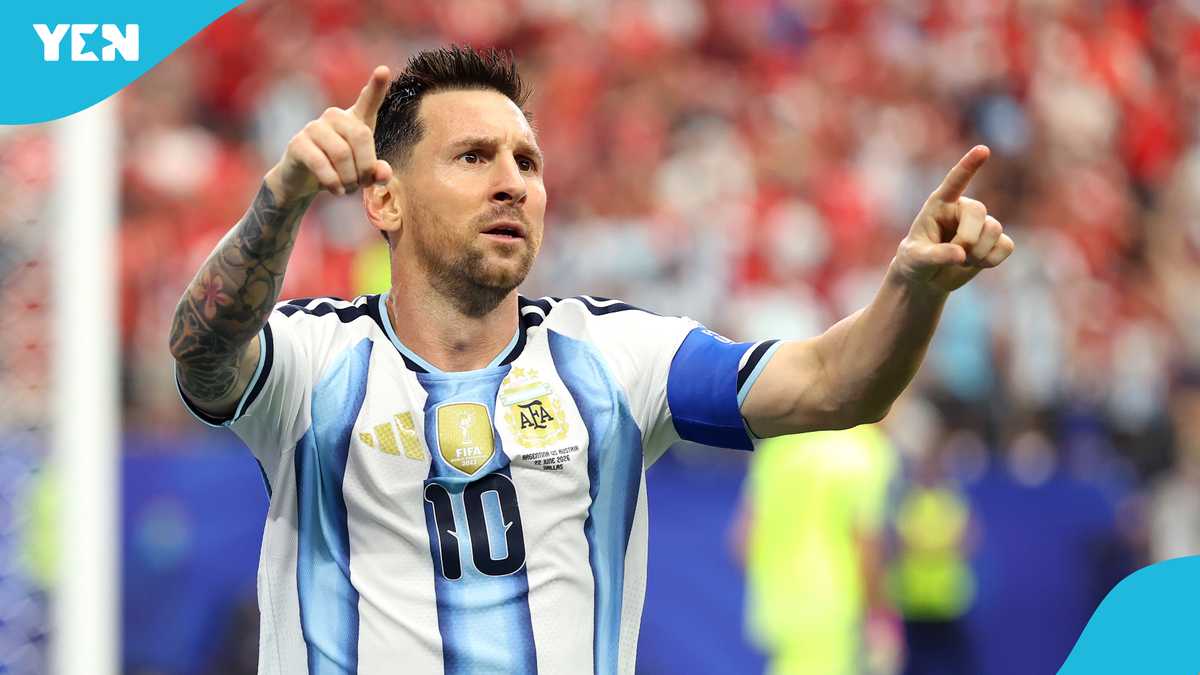
Lionel Messi breaks all-time World Cup scoring record with strike against Austria
