
Labour under pressure to reform weight restrictions for popular vehicles amid electrification struggles
Narrative Analysis: Plain Folks
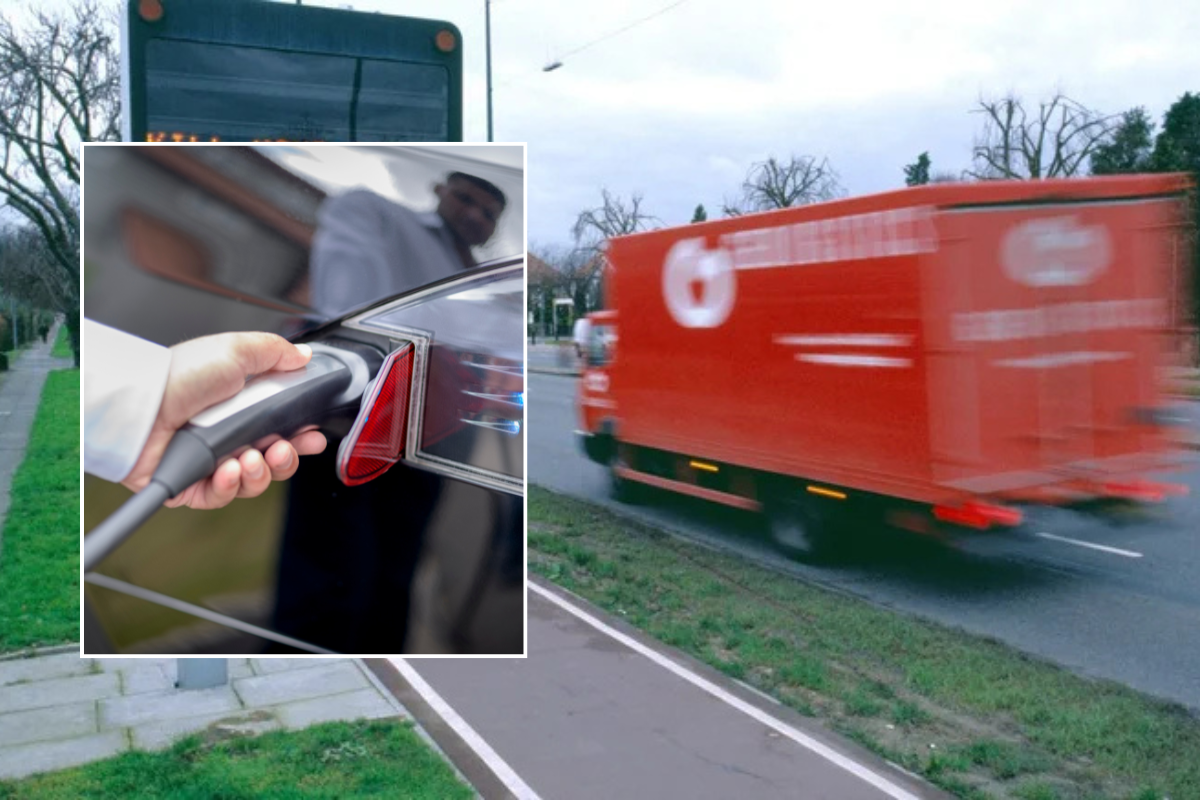
Labour has been urged to change vehicle weight rules after industry leaders warned current regulations are making it harder for electric lorries to replace diesel trucks.The Road Haulage Association (RHA) said outdated laws are stopping the freight sector from moving towards net zero because battery-powered heavy goods vehicles weigh more than diesel models.The trade body, which represented companies operating around half of all HGVs in the UK, said ministers must urgently update regulations to reflect changes in vehicle technology. Richard Smith, managing director of the RHA, said the problem was caused by regulation rather than the vehicles themselves. TRENDING Stories Videos Your Say He added: This is not a technology issue. It is a regulatory issue. Rules must evolve alongside the industry's decarbonisation efforts. The RHA has now called on the Department for Transport to introduce three major changes, including increasing the maximum authorised weight for electric HGVs from 44 tonnes to 46 tonnes. Secondly, the association has urged the Government to raise the driving axle weight limits from 10.5 tonnes to 12.5 tonnes so operators can make full use of electric lorries without losing carrying capacity. The third demand called for ministers to create a technical working group involving operators, manufacturers, highways authorities, enforcement agencies and local councils to review the rules.The RHA said the changes would remove what it described as a structural barrier stopping electric lorries from matching the performance of diesel vehicles. Industry figures warned that the current rules are also creating major financial problems for haulage firms. According to RHA research, operating an electric 44-tonne 6x2 tractor unit costs £28,282 more each year than a diesel equivalent. The extra costs come from charging expenses and the need to make more journeys because electric lorries cannot carry as much freight. It said operators are losing up to 11.8 per cent of payload capacity because a two-tonne allowance introduced in 2023 does not apply to the heaviest 44-tonne lorries.LATEST DEVELOPMENTSChinese car brand targets 'long-term sustainable growth' with bold UK plans for 2030Drivers issued major Highway Code warning as motorists face unlimited fine and road banPetrol and diesel drivers slapped with expensive fuel costs due to 'weak competition' at pumpsAs a result, many companies have been forced to make extra trips to transport the same amount of goods, increasing spending on driver wages, tyres, maintenance and vehicle depreciation. When all operating costs are included, the RHA warned that electric 6x2 vehicles cost 18.7 per cent more to run than diesel models. The organisation surveyed 114 operators and found that 88 per cent run vehicles heavier than 42 tonnes, meaning they cannot benefit from the current two-tonne allowance for zero emission lorries. Among those companies, only 37 per cent believed they could still complete deliveries using the restricted 22-tonne payload available to electric HGVs.The RHA also pointed out that several European countries are already moving ahead with more generous rules for electric lorries.Plans are being considered in the EU to allow an additional four tonnes for zero-emission HGVs as part of changes to its Weights and Dimensions Directive. The RHA said the Government must give operators confidence to invest in electric fleets if Britain is serious about reaching net zero targets. Estimates suggest that around 1,000 zero emission HGVs are on the road, out of around 534,000 vehicles in total. Our Standards: The GB News Editorial Charter
Narrative Intelligence Brief
This article was published by GB News, a source frequently categorized with a lean right bias based in United States of America. Our narrative intelligence engine continuously monitors coverage from this outlet to track framing, bias, and rhetorical patterns. In this specific piece, our systems detected the potential use of the "Plain Folks" technique. This narrative approach is often used to shape reader perception by highlighting specific emotional or rhetorical angles. By understanding the editorial perspective of GB News, readers can better contextualize the information presented and compare it across our broader media matrix to find the real narrative.
Explore related topics: Stay informed with Real Narrative News as we track unfolding stories. Dive deeper into our coverage of pivotal topics including serena williams, coupe monde, earnings transcript, الضاحية الجنوبية, hasan piker, وزير الخارجية, roland garros, hormuz, iran suspends, and cenk uygur. Our intelligence streams continuously monitor these keywords to bring you unbiased analysis and real-time updates on topics like "Labour under pressure to reform weight restrictions for popular vehicles amid electrification struggles".
More from GB News
June 1, 2026
British soldier dies in Iraq as MoD confirms tragic accident
June 1, 2026
Ex-Ofcom boss praises GB News for reflecting 'agenda of the majority' and swipes at People's Channel critics
June 1, 2026
Serena Williams returns to tennis and will play at iconic British tournament
June 1, 2026
Labour under pressure to reform weight restrictions for popular vehicles amid electrification struggles
June 1, 2026
Scottish Reform MSP calls for public inquiry into Nicola Sturgeon amid embezzlement scandal: 'Madness!'
Reliability Insights
P
Technique: Plain Folks
System analysis detected use of specific narrative techniques in this piece.Analysis Methodology
This narrative analysis was generated using the CoDataLab Global Intelligence Engine. Our proprietary AI scans thousands of cross-border sources to identify sentiment patterns, framing techniques, and potential media bias. While AI provides the data-driven foundation, our objective is to empower readers with additional context beyond the standard headline.The content displayed above is a structured summary designed for rapid information processing. For the full original report, please visit the source outlet.More Coverage
Discussion