Today in News History
On June 23, several notable moments in the history of News stand out. In 947, Wang, imperial consort of Later Tang passed away. In 1534, Oda Nobunaga, Japanese warlord (died 1582) was born. In 1582, Shimizu Muneharu, Japanese commander (born 1537) passed away. In 1615, Mashita Nagamori, Japanese daimyō (born 1545) passed away. In 1960, Tatsuya Uemura, Japanese composer and programmer was born. In 1961, The Antarctic Treaty System, which sets aside Antarctica as a scientific preserve and limits military activity on the continent, its islands and ice shelves, comes into force. In 1964, Lou Yun, Chinese gymnast was born. In 1984, Takeshi Matsuda, Japanese swimmer was born. In 1985, A terrorist bomb explodes at Narita International Airport near Tokyo, killing two and injuring four. An hour later, the same group detonates a second bomb aboard Air India Flight 182, bringing the Boeing 747 down off the coast of Ireland killing all 329 aboard. In 2013, Militants storm a high-altitude mountaineering base camp near Nanga Parbat in Gilgit-Baltistan, Pakistan, killing ten climbers and a local guide. Together, these milestones provide historical context for today's news news and ongoing narratives.
Japan’s defence outreach to counter China’s military rise hits hidden roadblocks
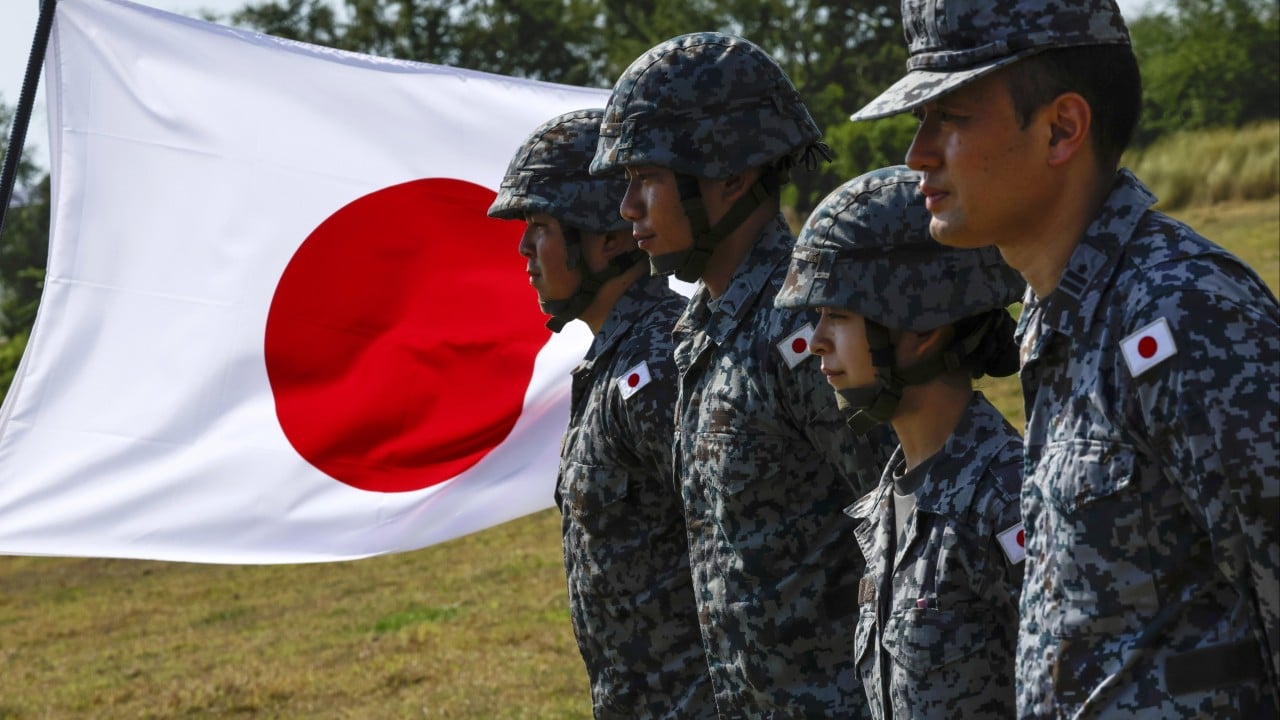
Japan seized the spotlight at last month’s Shangri-La Dialogue, stepping into a vacuum left by the Chinese defence chief – who skipped the forum for a second year – and using the stage to sharpen its warnings over Beijing’s military rise. Speaking in Singapore on May 31, the final day of the security forum, Japan’s Defence Minister Shinjiro Koizumi pushed back against Beijing’s accusation that Japan is engaging in a “new militarism” and instead took aim at China’s growing military capabilities...
Narrative Intelligence Brief
This article was published by South China Morning Post, a source frequently categorized with a lean left bias based in Hong Kong. Our narrative intelligence engine continuously monitors coverage from this outlet to track framing, bias, and rhetorical patterns. Our initial algorithmic scan of this specific piece did not flag high-confidence rhetorical techniques, suggesting a generally straightforward reporting style or neutral framing. By understanding the editorial perspective of South China Morning Post, readers can better contextualize the information presented and compare it across our broader media matrix to find the real narrative.
More from South China Morning Post
June 22, 2026
Former Gotti hitman-turned-New Jersey councillor has returned to crime, prosecutors allege
June 22, 2026
Trump criticises UK’s Starmer after PM announces resignation
June 22, 2026
‘I will do what I have to do’ if Iran does not stick to deal, says Trump
June 22, 2026
Can Quad break China’s mineral monopoly amid US-India rift?
June 22, 2026
What Hong Kong can learn from mainland cities’ 5-year plans
Analysis Methodology
This narrative analysis was generated using the CoDataLab Global Intelligence Engine. Our proprietary AI scans thousands of cross-border sources to identify sentiment patterns, framing techniques, and potential media bias. While AI provides the data-driven foundation, our objective is to empower readers with additional context beyond the standard headline.The content displayed above is a structured summary designed for rapid information processing. For the full original report, please visit the source outlet.More Coverage
Discussion
"trump"
Trump’s Surrender Humiliation Deepens With Brutal Poll

Most Americans skeptical of Trump’s Iran deal: Poll

Chicago Mayor ignores another bloody weekend to focus on something called a, quote, “Transfemicide State of Emergency"