
Today in News History
On July 12, several notable moments in the history of News stand out. In 1862, The Medal of Honor is authorized by the United States Congress. In 1920, The Soviet-Lithuanian Peace Treaty is signed, by which Soviet Russia recognizes the independence of Lithuania. In 1943, World War II: Battle of Kursk: German and Soviet forces engage in the Battle of Prokhorovka, one of the largest armored engagements of all time. In 2001, Space Shuttle program: Space Shuttle Atlantis is launched on mission STS-104, carrying the Quest Joint Airlock to the International Space Station. In 2003, Benny Carter, American trumpet player, saxophonist, and composer (born 1907) passed away. In 2006, The 2006 Lebanon War begins. In 2007, U.S. Army Apache helicopters engage in airstrikes against armed insurgents in Baghdad, Iraq, where civilians are killed; footage from the cockpit is later leaked to the Internet. In 2012, Hamid Samandarian, Iranian director and playwright (born 1931) passed away. In 2012, Syrian Civil War: Government forces target the homes of rebels and activists in Tremseh and kill anywhere between 68 and 150 people. In 2012, A tank truck explosion kills more than 100 people in Okobie, Nigeria. Together, these milestones provide historical context for today's news news and ongoing narratives.
Iran war strains the Gulf states’ strategic relationship with the United States
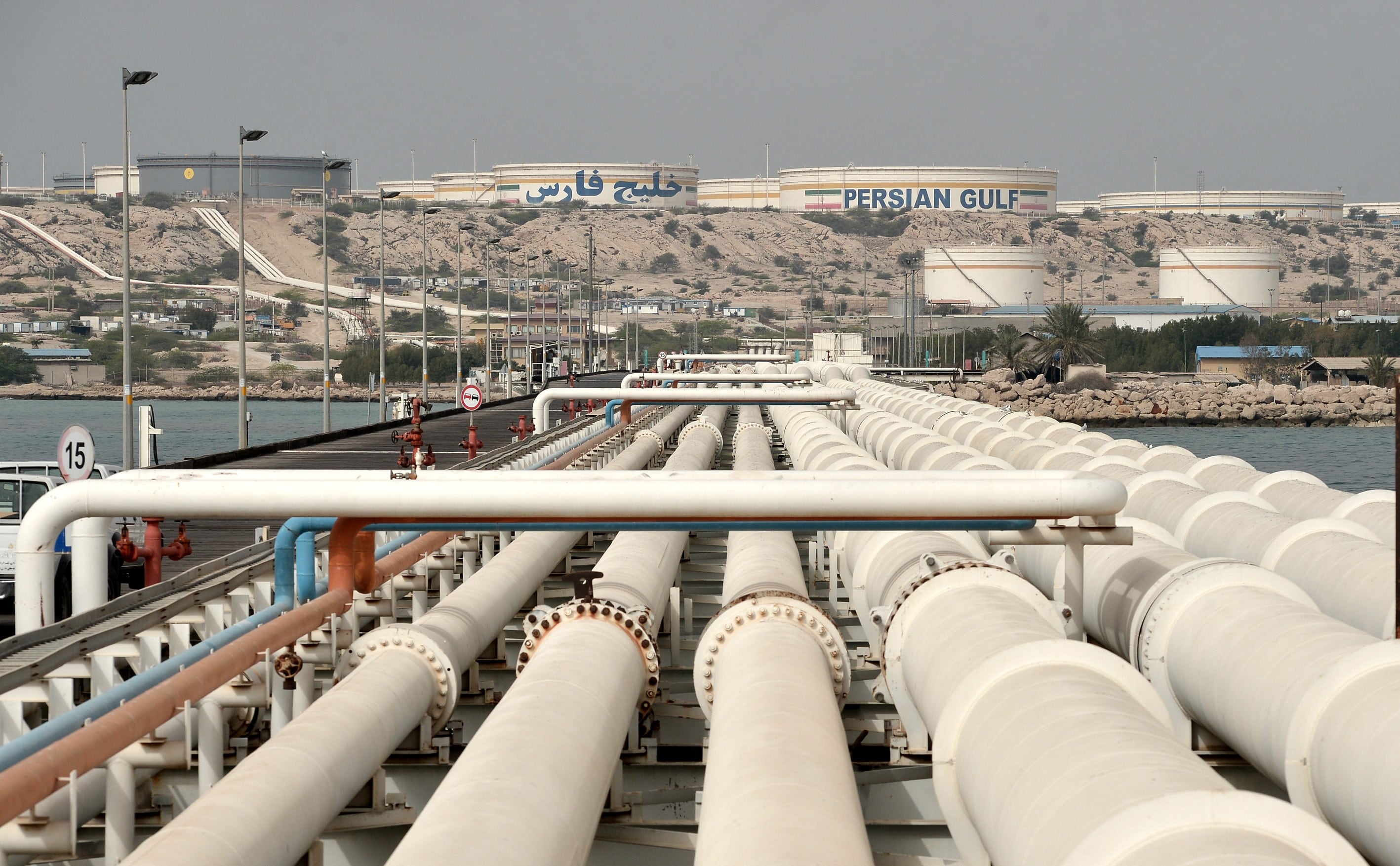
US military bases have shifted from being a source of protection to making them targets of Iranian attacks, and the closure of Hormuz is pushing them to seek alternatives to sell their oil
Narrative Intelligence Brief
This article was published by EL PAÍS, a source frequently categorized with a lean left bias based in Spain. Our narrative intelligence engine continuously monitors coverage from this outlet to track framing, bias, and rhetorical patterns. Our initial algorithmic scan of this specific piece did not flag high-confidence rhetorical techniques, suggesting a generally straightforward reporting style or neutral framing. By understanding the editorial perspective of EL PAÍS, readers can better contextualize the information presented and compare it across our broader media matrix to find the real narrative.
More from EL PAÍS
July 12, 2026
Solomy Balungi Bossa, member of the International Criminal Court: ‘Trump views us the same way as terrorists and drug peddlers’
July 12, 2026
Ukraine’s biggest defense gap: More than 92% of Russian ballistic missiles hit their targets
July 12, 2026
Abelardo de la Espriella embraces Trump's 'Donroe doctrine' as it spreads across Latin America
July 12, 2026
From libertarian dream to political weapon: How the far right appropriated the crypto wave
July 12, 2026
The world is plunging into a dangerous spiral of military spending
Analysis Methodology
This narrative analysis was generated using the CoDataLab Global Intelligence Engine. Our proprietary AI scans thousands of cross-border sources to identify sentiment patterns, framing techniques, and potential media bias. While AI provides the data-driven foundation, our objective is to empower readers with additional context beyond the standard headline.The content displayed above is a structured summary designed for rapid information processing. For the full original report, please visit the source outlet.More Coverage
Discussion
"cup semifinal"
Argentina beat Switzerland to set up World Cup semifinal against England

[Photo] JUST IN: 🇦🇷 Argentina officially advances to the FIFA World Cup semifinal after defeat [...]
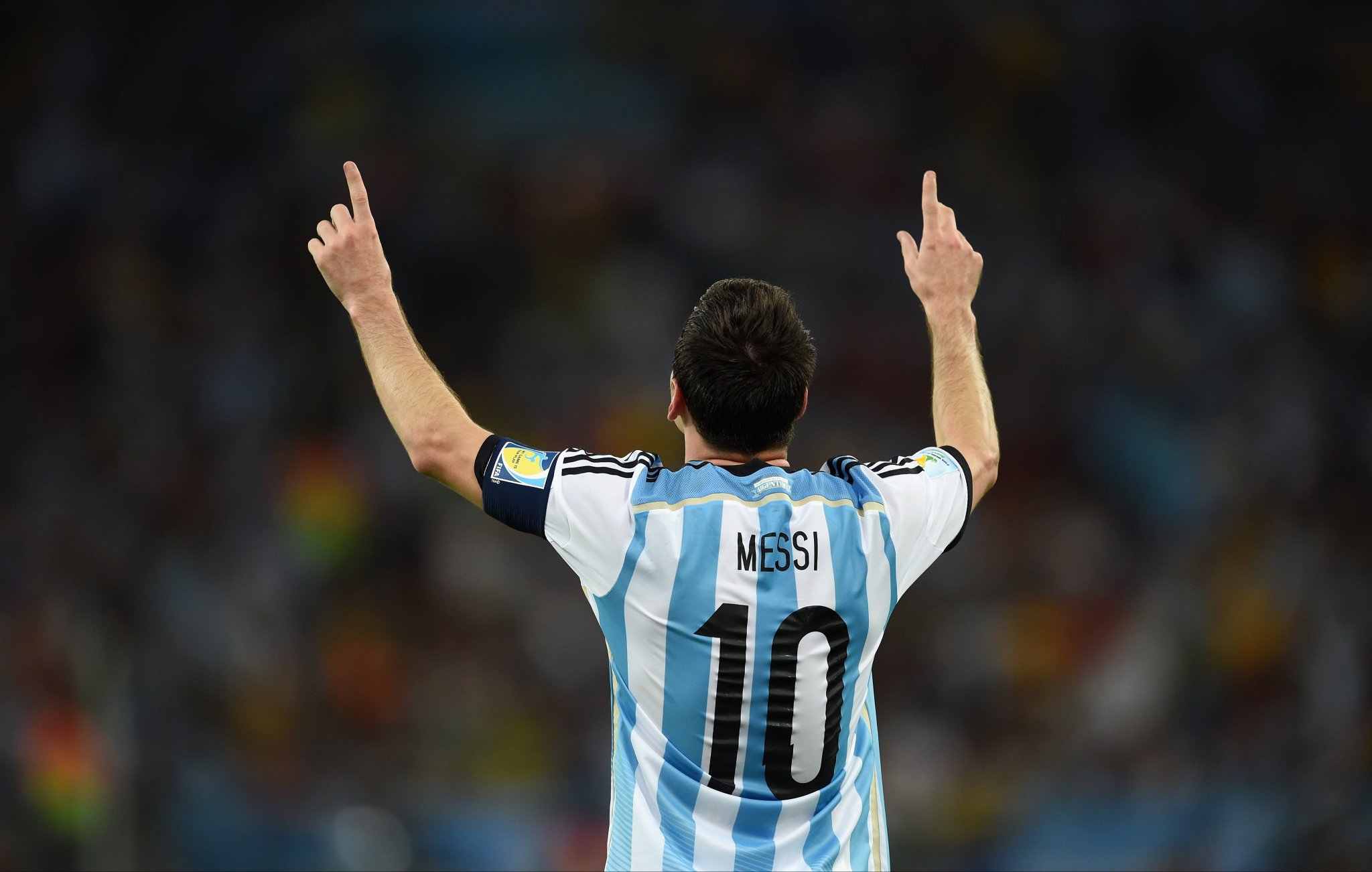
Argentina set up titanic World Cup semifinal against England with extra-time victory over Switzerland after Breel Embolo's embarrassing red card

How other outlets are covering this story
Compare narratives across 6 related reports from 6 sources. Real Narrative News aggregates the coverage spectrum so you can see who emphasises what — bias tags reflect the outlet, not the story.
Coverage bias distribution
6 sources
Left 33%
Center 17%
Right 50%
Al Arabiya English
· Jun 25, 2026
Who Is Influencing Washington?
Former Middle East Peace Negotiator Gershon Baskin argues Gulf countries are playing an increasingly important role in shaping US policy toward Iran and the wider region.
The Cradle
· Jun 25, 2026
Saudi Arabia to host Gulf–Iran 'reconciliation summit'
Persian Gulf relations were heavily strained by the US-Israeli war on Iran, which engulfed all of West Asia
Washington Examiner
· Jul 1, 2026
Iran war: Beware the revenge of geography
In its decision to launch a war against Iran in a bid to gain exclusive control over access to Persian oil and gas resources, the United States has ignored a harsh reality: Geography trumps military power. Iran’s mountainous terrain dominates the entire northern shore of the Persian Gulf, including the Strait of Hormuz maritime chokepoint. []
Libertarian Institute
· Jun 24, 2026
Qatar: Arab States Working on New Security Framework with Iran
The Qatari Prime Minister said that Gulf Arab states are speaking with Iran about developing a new regional security framework. The Gulf Arab states, which host US military bases, became targets of Iranian missiles during the war. “Part of what we are doing now, as regional countries, is to create this regional security framework between []
South China Morning Post
· Jun 26, 2026
When geography is destiny, Gulf states must diversify their defence, expert says in Dalian
The Gulf states should prioritise diverse defences and domestic capability-building to hedge against uncertain US commitments and volatility in the Middle East, according to an expert at the World Economic Forum’s annual meeting in Dalian in northeastern China this week. Sanam Vakil, director of the Middle East and North Africa programme at Chatham House, said on Wednesday that regional governments remained deeply reliant on the United States for security but were increasingly uneasy about...
Brisbane Times
· Jul 8, 2026
US, Iran exchange strikes after tankers hit in Hormuz
The US and Iran traded fire in the Gulf for several hours, with the US military warning it would hold Iran “accountable” and Tehran dismissing a “blatant act of aggression”.
Topics:
Related coverage for "Iran war strains the Gulf states’ strategic relationship with the United States": Al Arabiya English — Who Is Influencing Washington?. The Cradle — Saudi Arabia to host Gulf–Iran 'reconciliation summit'. Washington Examiner — Iran war: Beware the revenge of geography. Libertarian Institute — Qatar: Arab States Working on New Security Framework with Iran. South China Morning Post — When geography is destiny, Gulf states must diversify their defence, expert says in Dalian. Brisbane Times — US, Iran exchange strikes after tankers hit in Hormuz