
Today in News History
On July 8, several notable moments in the history of News stand out. In 1099, Some 15,000 starving Christian soldiers begin the siege of Jerusalem by marching in a religious procession around the city as its Muslim defenders watch. In 1730, An estimated magnitude 8.7 earthquake causes a tsunami that damages more than 1,000 km (620 mi) of Chile's coastline. In 1864, Ikedaya Incident: The Choshu Han shishi's planned Shinsengumi sabotage on Kyoto, Japan at Ikedaya. In 1947, Reports are broadcast that a UFO crash-landed in Roswell, New Mexico in what became known as the Roswell UFO incident. In 1965, Canadian Pacific Air Lines Flight 21 is destroyed by a bomb near 100 Mile House, Canada, killing 52. In 1968, The Chrysler wildcat strike begins in Detroit, Michigan. In 1972, Israeli Mossad assassinate Palestinian writer Ghassan Kanafani. In 1980, Aeroflot Flight 4225 crashes near Almaty International Airport in the then Kazakh Soviet Socialist Republic (present day Kazakhstan) killing all 166 people on board. In 1982, A failed assassination attempt against Iraqi president Saddam Hussein results in the Dujail Massacre over the next several months. In 2014, Israel launches an offensive on Gaza amid rising tensions following the kidnapping and murder of three Israeli teenagers. Together, these milestones provide historical context for today's news news and ongoing narratives.
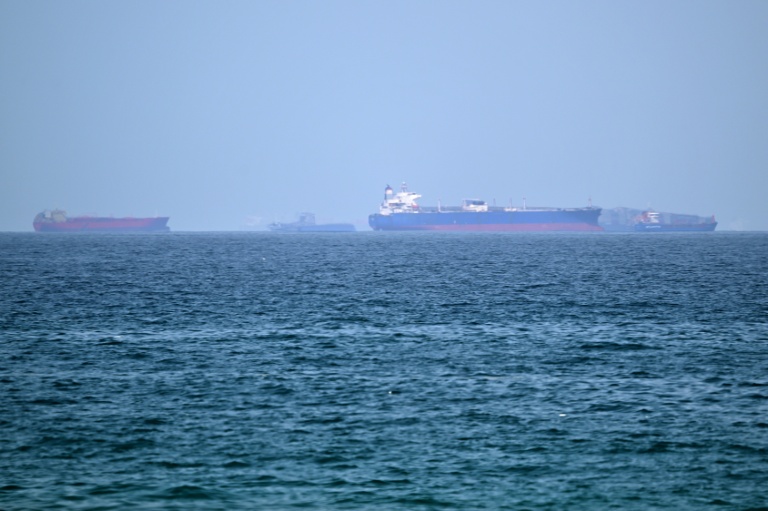
Iran promises ‘crushing response’ after US strikes hit more than 80 targets

The latest wave of US attacks lasted several hours, as the US military warned that it would hold Iran “accountable” in future. Tehran said it was a “blatant act of aggression”.
Narrative Intelligence Brief
This article was published by Brisbane Times, a source frequently categorized with a center bias based in Australia. Our narrative intelligence engine continuously monitors coverage from this outlet to track framing, bias, and rhetorical patterns. Our initial algorithmic scan of this specific piece did not flag high-confidence rhetorical techniques, suggesting a generally straightforward reporting style or neutral framing. By understanding the editorial perspective of Brisbane Times, readers can better contextualize the information presented and compare it across our broader media matrix to find the real narrative.
More from Brisbane Times
July 8, 2026
The F1 rumour mill is in overdrive. Oscar Piastri is at the centre of it
July 8, 2026
Australia news LIVE: Telstra outage affecting calls to Triple Zero, brings regional Victoria, NSW train services to a halt
July 8, 2026
Broncos' confidence 'absolutely shot'
July 8, 2026
Deep dive into Wallabies' goalkicking woes
July 8, 2026
Man charged over alleged attempts to groom child
Analysis Methodology
This narrative analysis was generated using the CoDataLab Global Intelligence Engine. Our proprietary AI scans thousands of cross-border sources to identify sentiment patterns, framing techniques, and potential media bias. While AI provides the data-driven foundation, our objective is to empower readers with additional context beyond the standard headline.The content displayed above is a structured summary designed for rapid information processing. For the full original report, please visit the source outlet.More Coverage
Discussion
"strikes iran"
JUST IN: US STRIKES IRAN AGAIN…WAR UPDATES 7/7/26

Renewed strikes: US strikes Iran after Hormuz attacks, Tehran threatens response
Crude oil futures trade higher as US strikes Iran, revokes oil waiver
