Today in News History
On June 17, several notable moments in the history of News stand out. In 1775, American Revolutionary War: Colonists inflict heavy casualties on British forces while losing the Battle of Bunker Hill. In 1876, American Indian Wars: Battle of the Rosebud: One thousand five hundred Sioux and Cheyenne led by Crazy Horse beat back General George Crook's forces at Rosebud Creek in Montana Territory. In 1900, Boxer Rebellion: Western Allied and Japanese forces capture the Taku Forts in Tianjin, China. In 1942, Doğu Perinçek, Turkish lawyer and politician was born. In 1944, Iceland declares independence from Denmark and becomes a republic. In 1951, Starhawk, American author and activist was born. In 1953, Cold War: East Germany Workers Uprising: In East Germany, the Soviet Union orders a division of troops into East Berlin to quell a rebellion. In 1963, A day after South Vietnamese President Ngô Đình Diệm announced the Joint Communiqué to end the Buddhist crisis, a riot involving around 2,000 people breaks out. One person is killed. In 1963, Aleksander Kesküla, Estonian politician (born 1882) passed away. In 1971, U.S. President Richard Nixon in a televised press conference called drug abuse "America's public enemy number one", starting the War on drugs. Together, these milestones provide historical context for today's news news and ongoing narratives.
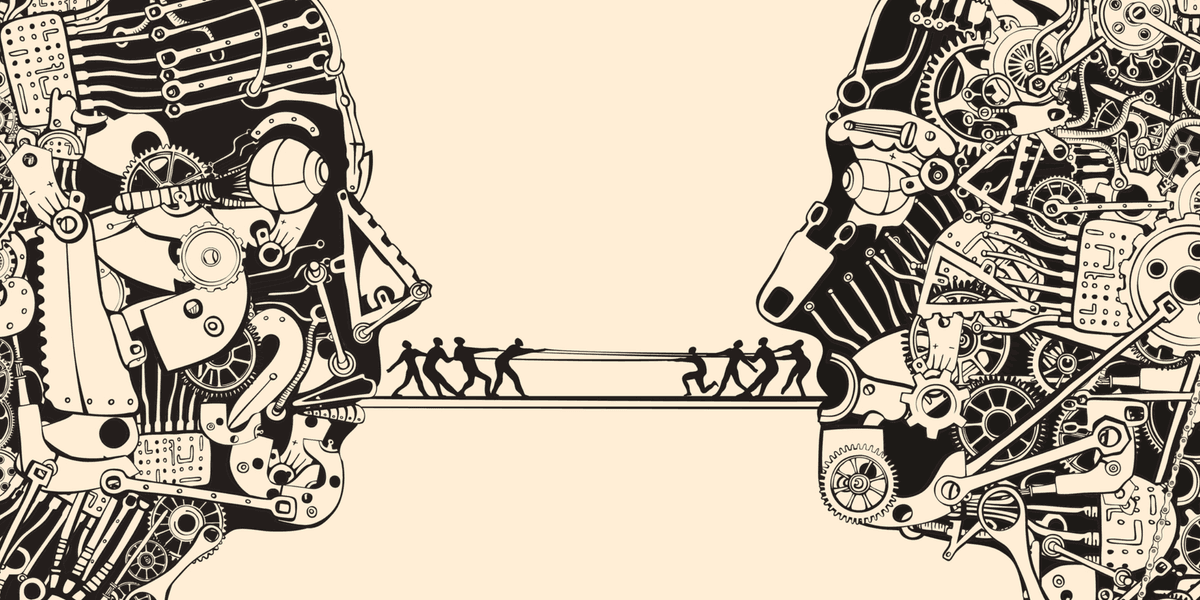
Internal power struggle stirs up DPK
Narrative Analysis: Name Calling

Narrative Intelligence Brief
This article was published by Korea Times News, a source frequently categorized with a lean left bias based in South Korea. Our narrative intelligence engine continuously monitors coverage from this outlet to track framing, bias, and rhetorical patterns. In this specific piece, our systems detected the potential use of the "Name Calling" technique. This narrative approach is often used to shape reader perception by highlighting specific emotional or rhetorical angles. By understanding the editorial perspective of Korea Times News, readers can better contextualize the information presented and compare it across our broader media matrix to find the real narrative.
More from Korea Times News
June 17, 2026
Hanwha Ocean faces mounting costs from blocked icebreaker delivery to Russia
June 17, 2026
Wide Cup fuels World Cup fever among Korean fans
June 17, 2026
Airport authority clarifies ID check rules after Wonyoung controversy
June 17, 2026
Korea unveils plan to transform regional universities into tech hubs
June 17, 2026
Veteran cartoonist, food TV host Huh Young-man goes on hiatus over health concerns
Reliability Insights
P
Technique: Name Calling
System analysis detected use of specific narrative techniques in this piece.Analysis Methodology
This narrative analysis was generated using the CoDataLab Global Intelligence Engine. Our proprietary AI scans thousands of cross-border sources to identify sentiment patterns, framing techniques, and potential media bias. While AI provides the data-driven foundation, our objective is to empower readers with additional context beyond the standard headline.The content displayed above is a structured summary designed for rapid information processing. For the full original report, please visit the source outlet.More Coverage
Discussion