Today in News History
On June 17, several notable moments in the history of News stand out. In 1795, The burghers of Swellendam expel the Dutch East India Company magistrate and declare a republic. In 1918, Ajahn Chah, Thai monk and educator (died 1992) was born. In 1940, George Akerlof, American economist and academic, Nobel Prize laureate was born. In 1955, Cem Hakko, Turkish fashion designer and businessman was born. In 1955, Mati Laur, Estonian historian, author, and academic was born. In 1963, A day after South Vietnamese President Ngô Đình Diệm announced the Joint Communiqué to end the Buddhist crisis, a riot involving around 2,000 people breaks out. One person is killed. In 1963, Aleksander Kesküla, Estonian politician (born 1882) passed away. In 1975, Phiyada Akkraseranee, Thai actress and model was born. In 1985, Marcos Baghdatis, Cypriot tennis player was born. In 1997, Raluca Șerban, Romanian-Cypriot tennis player was born. Together, these milestones provide historical context for today's news news and ongoing narratives.
Indonesia’s rupiah rebounds but rate rises threaten middle class
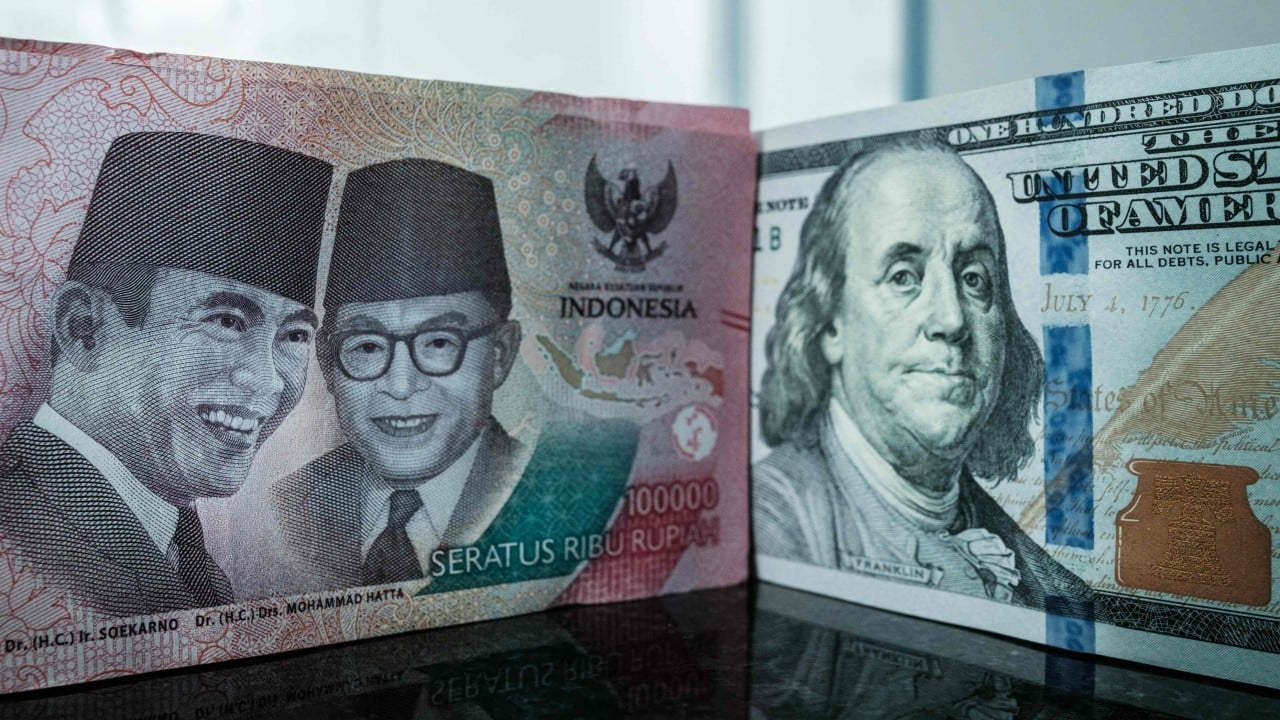
Indonesia’s rupiah rallied from a historic low this week, its stock market surged and a closely watched sovereign wealth fund bond offering was oversubscribed, offering Southeast Asia’s largest economy a reprieve after months of asset pressure. But economists have warned that the relief may come at a cost as the same forces helping stabilise the rupiah, including higher interest rates and easing external pressure, could deepen financial strain on the country’s shrinking middle class and weigh on...
Narrative Intelligence Brief
This article was published by South China Morning Post, a source frequently categorized with a lean left bias based in Hong Kong. Our narrative intelligence engine continuously monitors coverage from this outlet to track framing, bias, and rhetorical patterns. Our initial algorithmic scan of this specific piece did not flag high-confidence rhetorical techniques, suggesting a generally straightforward reporting style or neutral framing. By understanding the editorial perspective of South China Morning Post, readers can better contextualize the information presented and compare it across our broader media matrix to find the real narrative.
More from South China Morning Post
June 17, 2026
China’s role in Cabo Verde’s historic World Cup draw with Spain
June 17, 2026
Sri Lanka arrests son of ex-president Mahinda Rajapaksa for corruption
June 17, 2026
Trump pauses spy chief hearing to secure pick for powerful prosecutor post
June 17, 2026
Hong Kong’s John Lee pledges 10-fold expansion of new university town
June 17, 2026
The white paper making China’s case for new rules for the world’s new frontiers
Analysis Methodology
This narrative analysis was generated using the CoDataLab Global Intelligence Engine. Our proprietary AI scans thousands of cross-border sources to identify sentiment patterns, framing techniques, and potential media bias. While AI provides the data-driven foundation, our objective is to empower readers with additional context beyond the standard headline.The content displayed above is a structured summary designed for rapid information processing. For the full original report, please visit the source outlet.More Coverage
Discussion