
Today in News History
On July 1, several notable moments in the history of News stand out. In 1911, Sergey Sokolov, Russian marshal and politician, Soviet Minister of Defence (died 2012) was born. In 1914, Thomas Pearson, British Army officer (died 2019) was born. In 1918, Pedro Yap, Filipino lawyer (died 2003) was born. In 1919, Malik Dohan al-Hassan, Iraqi politician (died 2021) was born. In 1930, Moustapha Akkad, Syrian-American director and producer (died 2005) was born. In 1946, Erkki Tuomioja, Finnish sergeant and politician, Finnish Minister for Foreign Affairs was born. In 1946, Kojo Laing, Ghanaian novelist and poet (died 2017) was born. In 1955, Maʻafu Tukuiʻaulahi, Tongan politician and military officer, Deputy Prime Minister (died 2021) was born. In 1982, Fedi Nuril, Indonesian actor, model, and musician was born. In 1983, A North Korean Ilyushin Il-62M jet en route to Conakry Airport in Guinea crashes into the Fouta Djallon mountains in Guinea-Bissau, killing all 23 people on board. Together, these milestones provide historical context for today's news news and ongoing narratives.
Indonesian civil trainee deaths spur criticisms of Prabowo’s reliance on military drill
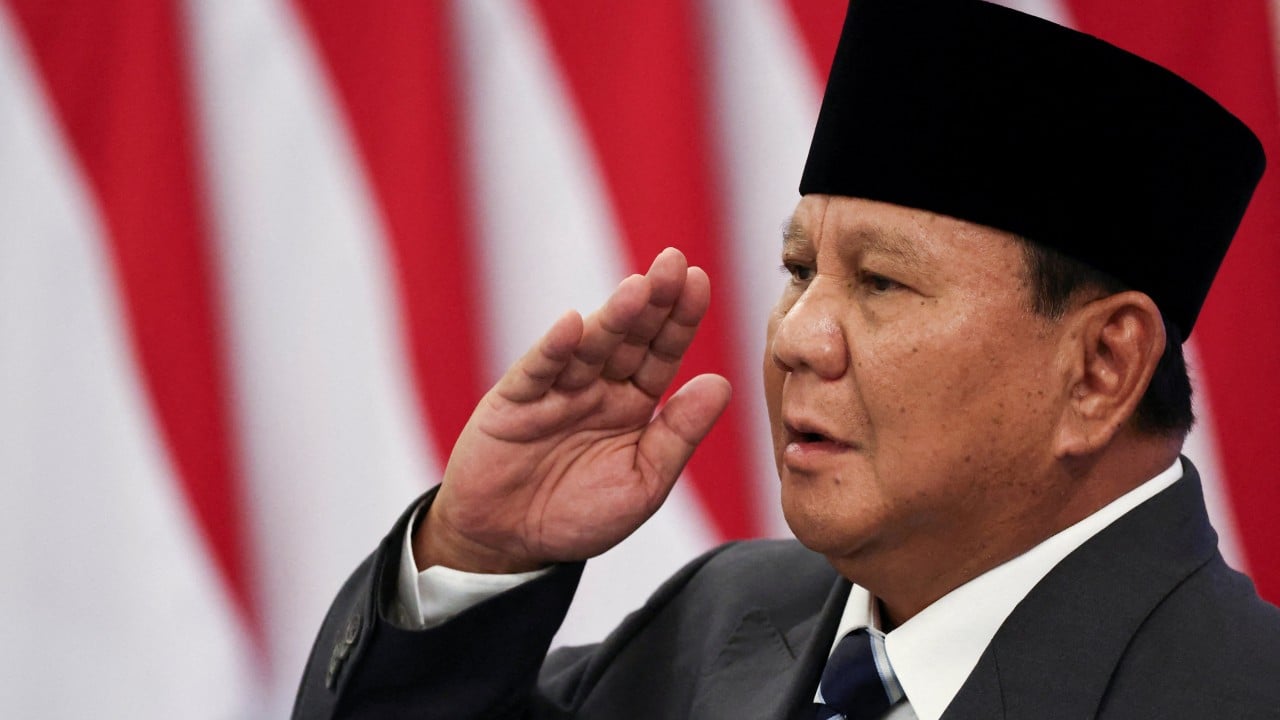
When Indonesian President Prabowo Subianto promised to build 80,000 village cooperatives across the archipelago, the aim was to drive rural growth, strengthen food security and give communities greater control over essential goods and services. But the deaths of five trainees preparing to manage the cooperatives have cast a shadow over the US13.4 billion programme, one of Prabowo’s flagship initiatives alongside free nutritious meals and affordable housing. The trainees were required to take...
Narrative Intelligence Brief
This article was published by South China Morning Post, a source frequently categorized with a lean left bias based in Hong Kong. Our narrative intelligence engine continuously monitors coverage from this outlet to track framing, bias, and rhetorical patterns. Our initial algorithmic scan of this specific piece did not flag high-confidence rhetorical techniques, suggesting a generally straightforward reporting style or neutral framing. By understanding the editorial perspective of South China Morning Post, readers can better contextualize the information presented and compare it across our broader media matrix to find the real narrative.
More from South China Morning Post
July 1, 2026
Belgium apartment block fire kills at least 5, seriously injures several
July 1, 2026
In the AI era, US-China competition hinges on who can adapt faster
July 1, 2026
China’s Kling AI nears US$3 billion round at US$18 billion valuation: sources
July 1, 2026
Why is Hong Kong holding Communist Party anniversary events? One word: stability
July 1, 2026
Can China’s ‘CO2 rocket’ launch cold on the same gas that carbonates Coca-Cola?
Analysis Methodology
This narrative analysis was generated using the CoDataLab Global Intelligence Engine. Our proprietary AI scans thousands of cross-border sources to identify sentiment patterns, framing techniques, and potential media bias. While AI provides the data-driven foundation, our objective is to empower readers with additional context beyond the standard headline.The content displayed above is a structured summary designed for rapid information processing. For the full original report, please visit the source outlet.More Coverage
Discussion
"village people"
Village People's Victor Willis Dead at 74 After "Aggressive Illness”

Lead singer of Village People dies aged 74
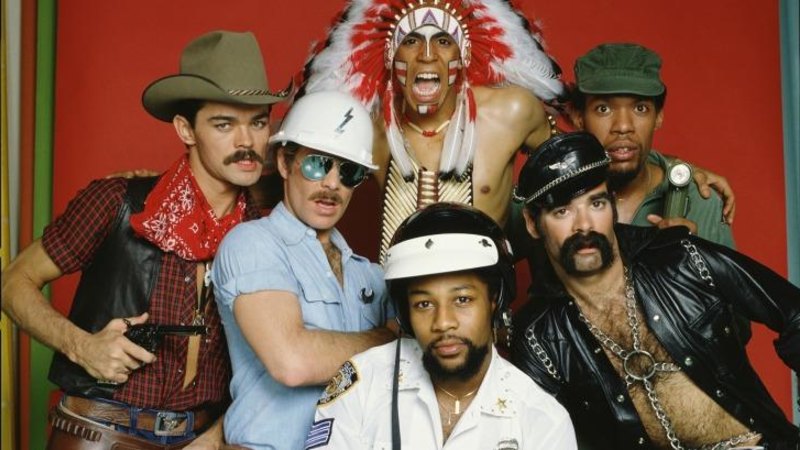
Trump honors Village People and ‘Y.M.C.A.’ singer Victor Willis after death announcement
