Today in News History
On July 4, several notable moments in the history of News stand out. In 1817, In Rome, New York, construction on the Erie Canal begins. In 1897, Alluri Sitarama Raju, Indian activist (died 1924) was born. In 1942, World War II: The 250-day Siege of Sevastopol in the Crimea ends when the city falls to Axis forces. In 1947, The "Indian Independence Bill" is presented before the British House of Commons, proposing the independence of the Provinces of British India into two sovereign countries: India and Pakistan. In 1954, Food rationing in Great Britain ends, with the lifting of restrictions on sale and purchase of meat, 14 years after it began early in World War II, and nearly a decade after the war's end. In 1963, Pingali Venkayya, Indian activist, designed the Flag of India (born 1876) passed away. In 1976, Israeli commandos raid Entebbe airport in Uganda, rescuing all but four of the passengers and crew of an Air France jetliner seized by Palestinian terrorists. In 1983, Amol Rajan, Indian-English journalist was born. In 2002, A Boeing 707 crashes near Bangui M'Poko International Airport in Bangui, Central African Republic, killing 28. In 2006, Space Shuttle program: Discovery launches STS-121 to the International Space Station. The event gained wide media attention as it was the only shuttle launch in the program's history to occur on the United States' Independence Day. Together, these milestones provide historical context for today's news news and ongoing narratives.
India Expanded Energy Imports To Over 40 Nations During Fuel Crisis: Modi
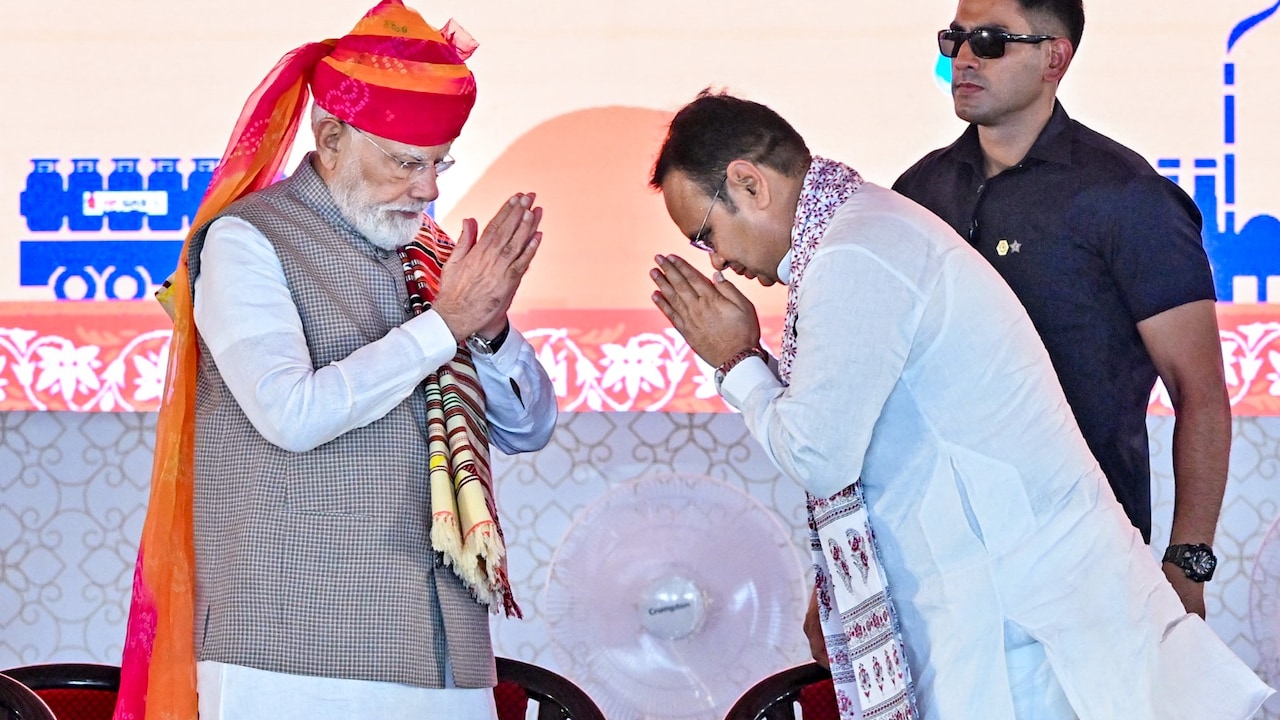
The prime minister also added that India has now become the world's fourth-largest refining hub and is continuing to strengthen its refining capacity.
Narrative Intelligence Brief
This article was published by NDTV, a source frequently categorized with a lean right bias based in India. Our narrative intelligence engine continuously monitors coverage from this outlet to track framing, bias, and rhetorical patterns. Our initial algorithmic scan of this specific piece did not flag high-confidence rhetorical techniques, suggesting a generally straightforward reporting style or neutral framing. By understanding the editorial perspective of NDTV, readers can better contextualize the information presented and compare it across our broader media matrix to find the real narrative.
More from NDTV
July 4, 2026
Usha Mangeshkar Says Sister Asha Bhosle Was A 'Tomboy' Before She Eloped At 16
July 4, 2026
Kotak Mahindra Bank Q1 Updates: Deposits Up 14%, Net Advances Rises 15%
July 4, 2026
Sri Lanka Great's Big Message To BCCI Amid Sooryavanshi's Debut Chatter
July 4, 2026
Who Is Professor Yogesh Singh? First Delhi University VC To Be Reappointed
July 4, 2026
Egypt Coach Reacts To Altercation With Dallas Police, Issues Clear Statement
Analysis Methodology
This narrative analysis was generated using the CoDataLab Global Intelligence Engine. Our proprietary AI scans thousands of cross-border sources to identify sentiment patterns, framing techniques, and potential media bias. While AI provides the data-driven foundation, our objective is to empower readers with additional context beyond the standard headline.The content displayed above is a structured summary designed for rapid information processing. For the full original report, please visit the source outlet.More Coverage
Discussion
"trump"
Trump FURIOUS as USMNT Defies his ADMINISTRATION’S WISHES!!!

Brian Feeney: From a beacon of democracy to Trump’s rotten, mafia state

Trump administration’s interpretation of slavery under George Washington can be reinstalled