Today in News History
On June 28, several notable moments in the history of News stand out. In 1864, American Civil War: Confederate forces defeat Union forces during the Battle of Kennesaw Mountain during the Atlanta Campaign. In 1905, During the Russo-Japanese War, sailors start a mutiny aboard the Russian battleship Potemkin. In 1924, The Johor-Singapore Causeway opens after five years of construction, providing a land connection for road and rail vehicles travelling between Johor and Singapore. In 1927, Prime Minister of Japan Tanaka Giichi convenes an eleven-day conference to discuss Japan's strategy in China. The Tanaka Memorial, a forged plan for world domination, is later claimed to be a secret report leaked from this conference. In 1950, The United States decides to send troops to fight in the Korean War. In 1976, Air France Flight 139 (Tel Aviv-Athens-Paris) is hijacked en route to Paris by the PFLP and redirected to Entebbe, Uganda. In 1980, The 'Ustica massacre': Itavia Flight 870 crashes in the sea while en route from Bologna to Palermo, Italy, killing all 81 on board. In 2014, At least fourteen people are killed when a Gas Authority of India Limited pipeline explodes in the East Godavari district of Andhra Pradesh, India. In 2015, Formosa Fun Coast fire: A dust fire occurs at a recreational water park in Taiwan, killing 15 people and injuring 497 others, 199 critically. In 2024, U.S. president Joe Biden debates former U.S president Donald Trump. The debate leads to Biden's withdrawal from the election on July 21. Together, these milestones provide historical context for today's news news and ongoing narratives.
In 'Most Serious Test Yet' of Ceasefire Deal, Trump Bombs Iran After Strike on Cargo Ship in Strait
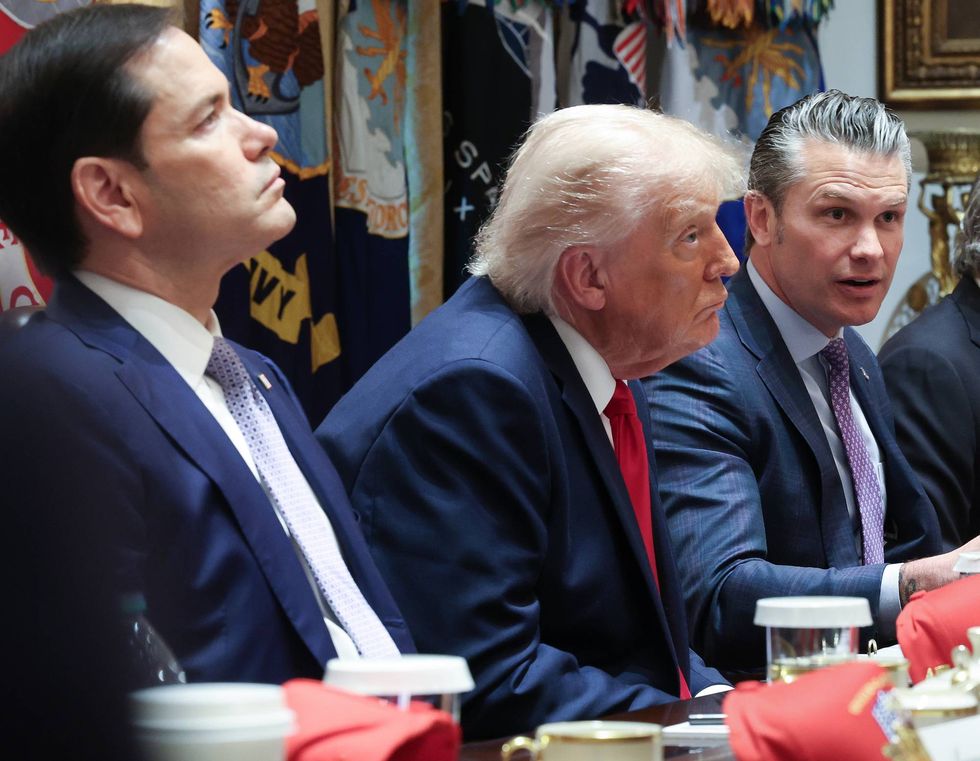
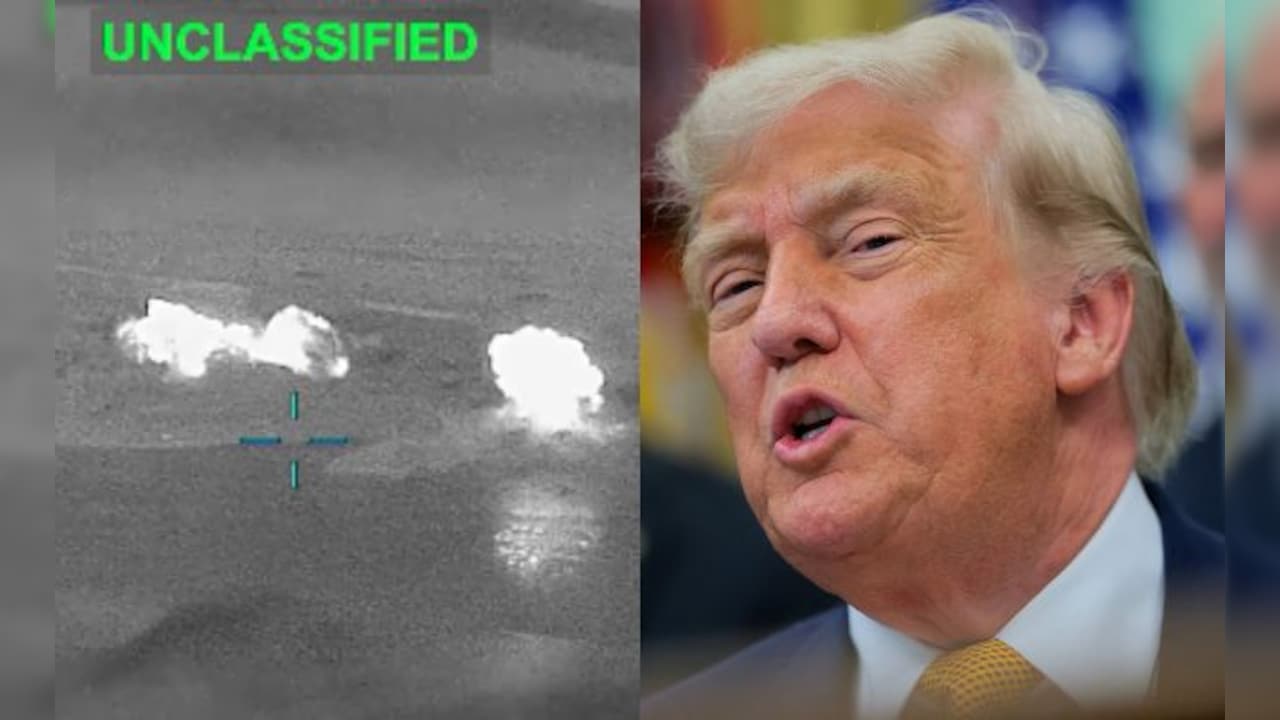
US President Donald Trump resumed bombing Iran on Friday, a day after an Iranian attack on a cargo ship in the Strait of Hormuz, elevating concerns about the future of a ceasefire agreement just as Israel and Lebanon signed a related deal.The Trump administration—which partnered with Israel to launch an illegal war on Iran in late February—and the Iranian government agreed on a memorandum of understanding (MOU) earlier this month. On Thursday, Iran attacked the Singapore-flagged commercial vessel, the Ever Lovely, in the strait, a key trade waterway. The Islamic Republic of Iran shot at least four One Way Attack Drones at Ships transversing the Strait of Hormuz, Trump wrote on his Truth Social platform Friday morning. One of the Drones solidly hit the upper deck of a large and very expensive Cargo Carrying Ship. Damage was done, but the Ship was able to proceed on its way. We knocked down three other Drones. Obviously, this is a foolish violation of our Ceasefire Agreement.Responding on the social media network X, Ebrahim Azizi, who heads the Iranian Parliament's Commission on National Security and Foreign Policy, said: The reality in the Persian Gulf has changed. The Strait of Hormuz is governed by Iran, so: Respect the rules. Use secure routes. Do not mistake control for escalation. If you do not learn the rules, the Iranian armed forces will teach them to you. This is not a violation of the ceasefire; it is ceasefire management.Later Friday, US Central Command (CENTCOM) announced that as a powerful response to yesterday's attack on a commercial ship that was transiting the Strait of Hormuz, American aircraft struck Iranian missile and drone storage locations and coastal radar sites.The unwarranted aggression against commercial shipping by Iranian forces clearly violated the ceasefire, CENTCOM said. Furthermore, Iran's dangerous behavior undermined freedom of navigation as commerce increasingly flows through the vital international trade corridor.CENTCOM forces continue to provide safe passage coordination and support to commercial vessels transiting the strait, Central Command added. The US military remains present and vigilant to ensure all aspects of the agreement with Iran are adhered to, obeyed, and in full force and effect.Flagging CENTCOM's announcement, the National Iranian American Council (NIAC) pointed out that this marks the first publicly acknowledged US military action against Iran since the recent ceasefire agreement, potentially representing the most serious test yet of the fragile understanding between Tehran and Washington.Notably, the alleged violation of the MOU resulted in military retaliation, NIAC added, contra coordination via the executive mechanism that was supposed to be established to monitor implementation of the deal.Al Jazeera reported late Friday that Iran's Islamic Revolutionary Guard Corps (IRGC) released a statement saying it has responded with fire:The IRGC said its Navy targeted locations in the region where US forces are deployed, without specifying where or providing additional details.It condemned the US strikes on Iran, saying Washington, as always, violated its commitments and launched an airstrike” on the Iranian coast.According to Article 5 of the memorandum of understanding, Islamabad has arrangements for controlling traffic in the Strait of Hormuz with the Islamic Republic of Iran, the IRGC said.However, the US, by inciting various parties, sought to violate this commitment, which was met with the necessary response, the statement continued. If the aggression is repeated, our response will be more extensive.As for the administration's supposedly diplomatic efforts, US Secretary of State Marco Rubio announced that the United States, Israel, and Lebanon—which Israeli forces have been bombing throughout the Iran War—had signed a trilateral framework that he claimed builds a realistic path out of endless conflict. This agreement establishes a clear and structured process to restore Lebanon’s sovereignty, disarm Hezbollah, and dismantle its terrorist infrastructure, and enable Israel to return to its borders once that threat to its citizens is removed, Rubio said. It also creates a trilateral Military Coordination Group for Lebanon (MCG4L), facilitated by the United States, allowing the two sides to implement this framework. For Lebanon, this framework provides a genuine pathway out of a long crisis. For Israel, it creates a verifiable path to removing the persistent threat on its northern border.The framework was met with protests in the Lebanese capital. Lebanon's National News Agency reported that Hezbollah supporters gathered on motorcycles in Beirut to oppose the deal.
Narrative Intelligence Brief
This article was published by Common Dreams, a source frequently categorized with a left bias based in United States of America. Our narrative intelligence engine continuously monitors coverage from this outlet to track framing, bias, and rhetorical patterns. Our initial algorithmic scan of this specific piece did not flag high-confidence rhetorical techniques, suggesting a generally straightforward reporting style or neutral framing. By understanding the editorial perspective of Common Dreams, readers can better contextualize the information presented and compare it across our broader media matrix to find the real narrative.
More from Common Dreams
June 27, 2026
AOC to Johnson and Trump: 'If You Don’t Want to Be Prosecuted for Crimes, Don’t Do Crimes'
June 27, 2026
AOC Says Mike Johnson’s GOP Is “Running a Protection Racket” for Trump
June 27, 2026
Newsom Claims to Support National Tax on Billionaires While Opposing It in CA
June 27, 2026
As Trump's Reflecting Pool Disaster Turns 'Dystopian,' Fully-Dressed Mamdani Jumps Into NYC Public Pool With a Joyful Smile
June 27, 2026
'Newsom Does Not Want to Tax Billionaires,' Say Campaigners, 'But Wants You to Think He Does'
Analysis Methodology
This narrative analysis was generated using the CoDataLab Global Intelligence Engine. Our proprietary AI scans thousands of cross-border sources to identify sentiment patterns, framing techniques, and potential media bias. While AI provides the data-driven foundation, our objective is to empower readers with additional context beyond the standard headline.The content displayed above is a structured summary designed for rapid information processing. For the full original report, please visit the source outlet.More Coverage
Discussion
"strikes iran"
U.S. Air Force Strikes Iranian Missile Sites After Cargo Ship Attack Threatens Hormuz Strait Ceasefire
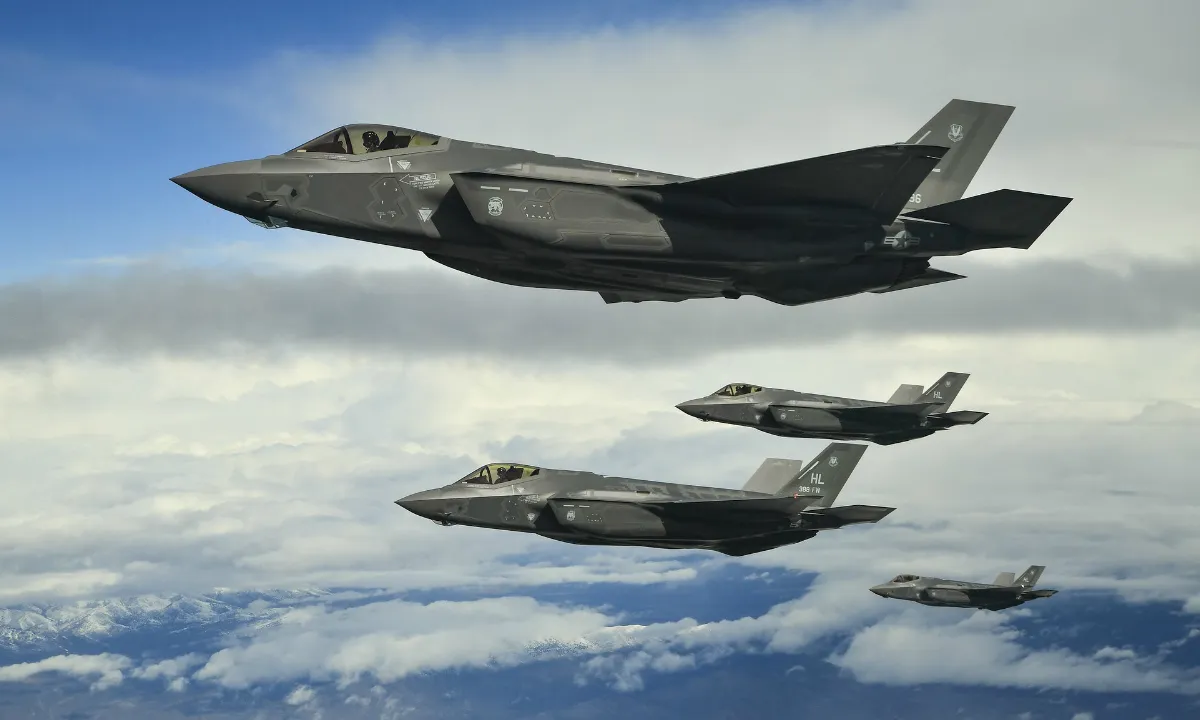
U.S. strikes Iran drone sites; Iran hits Bahrain

US Strikes Iran Again After Tanker Attack, Trump Says "They Will Never Learn"