
Today in News History
On June 17, several notable moments in the history of News stand out. In 1839, Lord William Bentinck, English general and politician, 14th Governor-General of India (born 1774) passed away. In 1923, Arnold S. Relman, American physician and academic (died 2014) was born. In 1925, Alexander Shulgin, American pharmacologist and chemist (died 2014) was born. In 1948, Karol Sikora, English physician and academic was born. In 1956, Paul Rostock, German surgeon and academic (born 1892) passed away. In 1963, Greg Kinnear, American actor, television presenter, and producer was born. In 1964, Michael Gross, German swimmer was born. In 2001, Donald J. Cram, American chemist and academic, Nobel Prize laureate (born 1919) passed away. In 2014, Arnold S. Relman, American physician and academic (born 1923) passed away. In 2014, Éric Dewailly, Canadian epidemiologist and academic (born 1954) passed away. Together, these milestones provide historical context for today's news news and ongoing narratives.
'I'm a doctor - swap these six foods in your diet if you want to double your weight loss'
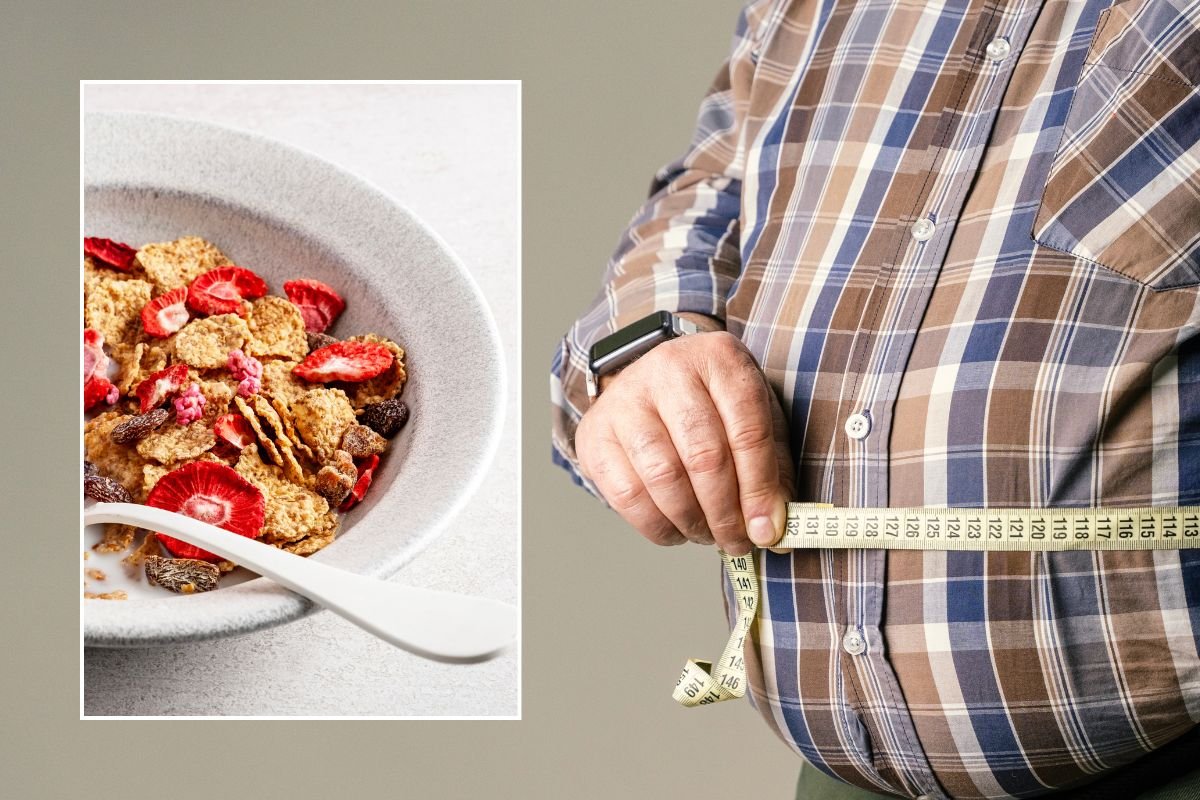
Ultra-processed products now make up more than half the average diet in countries like the UK, and mounting research shows that they don't just fail to fill us up.They may be quietly rewiring the brain to reach for more food when it doesn't need it, explains board-certified internal medicine physician, Dr Farhan Abdullah.Ultra-processed foods often lack nutrients but are high in sugar calories, which can lead to over-eating, the medical director of Magnolia Functional Wellness told GB News.Because they're primarily engineered for convenience and palatability, processed foods typically contain high levels of sugar, refined carbohydrates and flavour enhancers that promote excessive consumption. TRENDING Stories Videos Your Say Some key ultra-processed foods Dr Abdullah recommends swapping out include: Speciality coffee drinks Packaged snack foods Chips Candy Pastries Breakfast cerealsLast year, a study by University College London and UCL Hospitals NHS Trust established the first clear connection between foods of this kind and weight gain.The research published in Nature Medicine showed that individuals who prepare meals from scratch using minimally processed ingredients shed twice as much weight as those consuming ready-made alternatives.LATEST DEVELOPMENTS'I'm a doctor - following a simple dietary rule could predict weight loss better than counting calories'Pharmacist shares habit that will help you lose weight faster than 'obsessive calorie-counting'Dietitian warns of ‘95-calorie’ snack trap that may be sabotaging your weight loss effortsBoth dietary approaches contained identical nutritional profiles, too, which suggests the degree of processing itself plays a significant role in weight management beyond simple calorie and nutrient content.The trial enrolled 55 adults with an average body mass index of 32, placing them in the obese category.Participants followed one dietary regime for eight weeks before returning to their normal eating habits for a four-week interval, then switching to the alternative diet for a further eight weeks.Prof Chris van Tulleken, an author of the study and of the book Ultra-Processed People, said: The global food system at the moment drives diet-related poor health and obesity, particularly because of the wide availability of cheap, unhealthy food.He added: This study highlights the importance of ultra-processing in driving health outcomes in addition to the role of nutrients like fat, salt and sugar.It underlines the need to shift the policy focus away from individual responsibility and onto the environmental drivers of obesity, such as the influence of multinational food companies in shaping unhealthy food environments.Dr Samuel Dicken, the study's lead author, noted that while previous research has associated ultra-processed foods with adverse health outcomes, not all such products are inherently unhealthy.However, their softer texture and higher calorie density make overconsumption more likely.The research team behind the study has called for significant policy interventions to tackle the issue.Our Standards: The GB News Editorial Charter
Narrative Intelligence Brief
This article was published by GB News, a source frequently categorized with a lean right bias based in United States of America. Our narrative intelligence engine continuously monitors coverage from this outlet to track framing, bias, and rhetorical patterns. Our initial algorithmic scan of this specific piece did not flag high-confidence rhetorical techniques, suggesting a generally straightforward reporting style or neutral framing. By understanding the editorial perspective of GB News, readers can better contextualize the information presented and compare it across our broader media matrix to find the real narrative.
More from GB News
June 17, 2026
‘It makes the public less safe!’ Green Party activist defends council's refusal to support immigration raids
June 17, 2026
PGA Tour and USGA issue key statement day before US Open
June 17, 2026
Retired couple fired upon by Russian warship slam Labour over 'inflammatory' response
June 17, 2026
BBC under fire after Channel migrants placed on Question Time by refugee campaigners
June 17, 2026
Lisa Hogan delivers Jeremy Clarkson update as she breaks silence after presenter's cancer diagnosis
Analysis Methodology
This narrative analysis was generated using the CoDataLab Global Intelligence Engine. Our proprietary AI scans thousands of cross-border sources to identify sentiment patterns, framing techniques, and potential media bias. While AI provides the data-driven foundation, our objective is to empower readers with additional context beyond the standard headline.The content displayed above is a structured summary designed for rapid information processing. For the full original report, please visit the source outlet.More Coverage
Discussion
"cup"
Ange Postecoglou is putting the World Cup’s awful pundits to shame

Failure to beat Panama in World Cup group stage will be disappointing – Ghanaian fans to Black Stars

Women and children in abusive settings face ‘more sinister’ World Cup kick-off
