
Today in News History
On June 24, several notable moments in the history of News stand out. In 1767, Jean-Baptiste Benoît Eyriès, French geographer and author (died 1846) was born. In 1804, Stephan Endlicher, Austrian botanist, numismatist, and sinologist (died 1849) was born. In 1842, Ambrose Bierce, American short story writer, essayist, and journalist (died 1914) was born. In 1883, Arthur L. Newton, American runner (died 1956) was born. In 1922, John Postgate, English microbiologist, author, and academic (died 2014) was born. In 1927, Martin Lewis Perl, American physicist and engineer, Nobel Prize laureate (died 2014) was born. In 1929, Carolyn S. Shoemaker, American astronomer (died 2021) was born. In 1932, David McTaggart, Canadian-Italian environmentalist (died 2001) was born. In 2012, Ann C. Scales, American lawyer, educator, and activist (born 1952) passed away. In 2021, Benigno Aquino III, 15th President of the Philippines (born 1960) passed away. Together, these milestones provide historical context for today's news news and ongoing narratives.
How to live longer: Scientists find exact amount of walking needed to counter a sedentary day
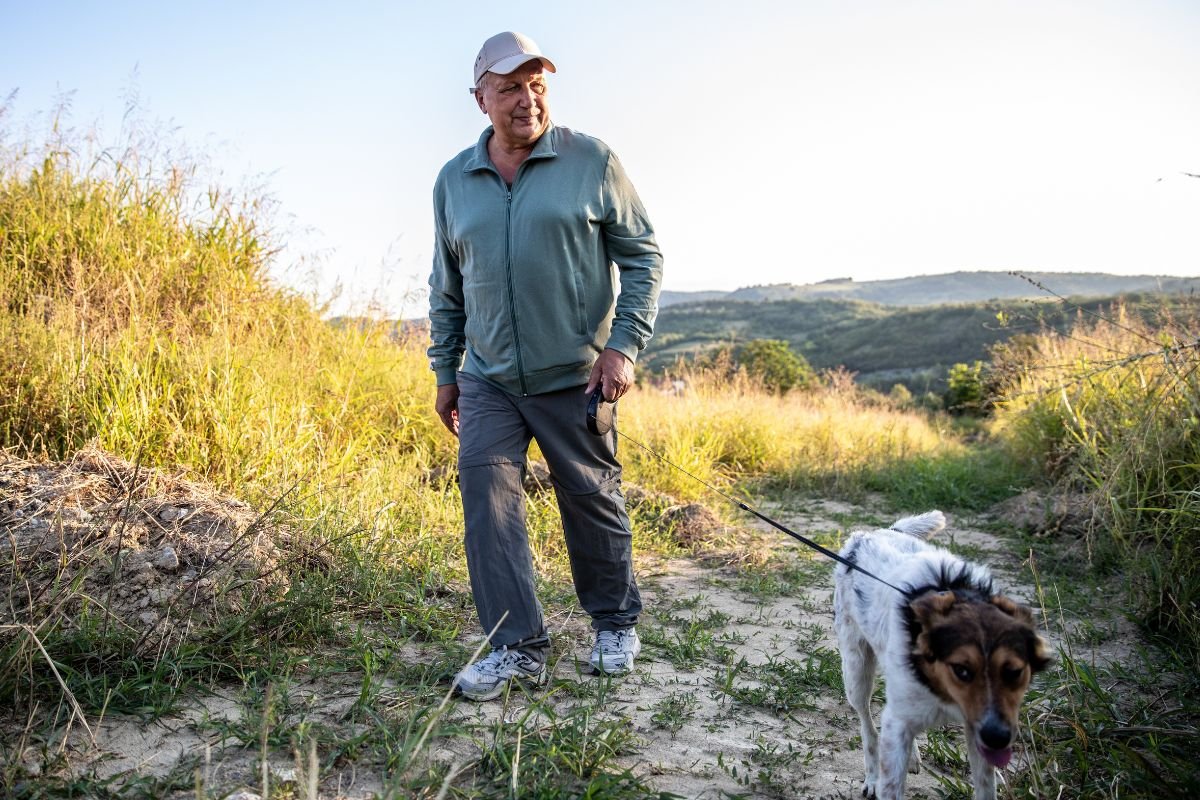
Brief walking breaks lasting just five minutes each hour can neutralise the harmful health effects associated with extended periods of sitting, according to new research published in the British Journal of Sports Medicine.The substantial study, involving 11,484 participants, found that these short bursts of activity - sometimes termed exercise snacks - enhanced participants' mood and diminished feelings of tiredness without compromising their professional output.American researchers behind the findings noted that excessive sedentary behaviour has become a pressing public health concern, with adults in wealthy nations now spending between 11 and 12 hours daily seated, representing more than three-quarters of waking hours.Scientists believe prolonged sitting damages health by reducing muscular activity and blood flow to the lower limbs, while regular movement can restore metabolic processes governing how the body handles fats and glucose. TRENDING Stories Videos Your Say To investigate, researchers analysed data from participants enrolled in a nationwide American initiative encouraging small movement breaks throughout the day.Volunteers initially maintained their normal routines for one week before selecting their preferred break frequency - either every half hour, hourly, or every two hours - for a subsequent fortnight.Throughout the three-week period, participants completed questionnaires assessing their energy levels, emotional state and professional performance, while 1,200 full-time workers received daily text prompts to gauge immediate effects.The analysis revealed that all three break intervals were deemed practical and acceptable by participants, though less frequent interruptions were considered more sustainable.Mood improvements were reported across all break patterns, with half-hourly walks producing the greatest psychological benefits, while fatigue levels declined regardless of timing.LATEST DEVELOPMENTSDoctor names two foods that could beat oats at lowering 'bad' cholesterolFive million NHS 'ghost' patients expose GP system 'stuck in a bygone age'Type 2 diabetes warning as scientists say the type of fat you eat may be driving your riskResearchers concluded that hourly five-minute breaks struck the optimal balance between daily practicality and health gains.Crucially, the survey data indicated that brief walking breaks did not hamper workplace productivity - addressing a common concern among employers.Concerns that movement breaks might disrupt work productivity have been documented as a perceived barrier to implementation/adoption. However, our findings counter this perception, the team stated.The British Heart Foundation welcomed the findings whilst urging caution about their scope.Emily McGrath, senior cardiac nurse at the charity, said: This study looked at how movement breaks affect mood and fatigue, but we also know that sitting for long periods increases the risk of heart and circulatory disease and early death.She added: Taking regular 'energy snacks', like a five-minute walk each hour, can boost mood and support heart health.However, McGrath noted important caveats, observing that the research relied upon self-reported information and ran for a limited duration, meaning extended studies would be necessary to confirm cardiovascular benefits. Our Standards: The GB News Editorial Charter
Narrative Intelligence Brief
This article was published by GB News, a source frequently categorized with a lean right bias based in United States of America. Our narrative intelligence engine continuously monitors coverage from this outlet to track framing, bias, and rhetorical patterns. Our initial algorithmic scan of this specific piece did not flag high-confidence rhetorical techniques, suggesting a generally straightforward reporting style or neutral framing. By understanding the editorial perspective of GB News, readers can better contextualize the information presented and compare it across our broader media matrix to find the real narrative.
More from GB News
June 24, 2026
Home Office finally admits staggering true cost of 'Boriswave' migrant flood
June 23, 2026
Harry Kane explains flat England display after Ghana World Cup match ends goalless
June 23, 2026
Nigel Farage issues special message to GB News readers 10 years on from political earthquake: 'We are still feeling the aftershocks'
June 23, 2026
Scam alert: Cancelled bank card 'loophole' could cost YOU - what you need to know
June 23, 2026
Prince William to honour new BBC director-general during investiture ceremony at Windsor Castle today
Analysis Methodology
This narrative analysis was generated using the CoDataLab Global Intelligence Engine. Our proprietary AI scans thousands of cross-border sources to identify sentiment patterns, framing techniques, and potential media bias. While AI provides the data-driven foundation, our objective is to empower readers with additional context beyond the standard headline.The content displayed above is a structured summary designed for rapid information processing. For the full original report, please visit the source outlet.More Coverage
Discussion
"cup"
Crimea is burning and Putin’s grip is weakened

Jeremy Doku’s Belgium World Cup return date confirmed as presenter apologises for "completely useless" comment
/https%3A%2F%2Fsportsmole-media-prod.s3.gra.io.cloud.ovh.net%2Fuploads%2F2026%2F06%2Faaa-jd-6a3a27296adb3055463402.jpg)
Russia’s deep Crimea crisis will only get worse
