Today in News History
On July 4, several notable moments in the history of News stand out. In 1776, American Revolution: The United States Declaration of Independence is adopted by the Second Continental Congress. In 1804, Nathaniel Hawthorne, American novelist and short story writer (died 1864) was born. In 1855, The first edition of Walt Whitman's book of poems, Leaves of Grass, is published in Brooklyn. In 1862, Lewis Carroll tells Alice Liddell a story that would grow into Alice's Adventures in Wonderland and its sequels. In 1896, Mao Dun, Chinese journalist, author, and critic (died 1981) was born. In 1950, Cold War: Radio Free Europe first broadcasts. In 1974, Georgette Heyer, English author (born 1902) passed away. In 2006, Space Shuttle program: Discovery launches STS-121 to the International Space Station. The event gained wide media attention as it was the only shuttle launch in the program's history to occur on the United States' Independence Day. In 2008, A bomb explodes at a concert in Minsk's Independence Square, injuring 50 people. In 2012, The discovery of particles consistent with the Higgs boson at the Large Hadron Collider is announced at CERN. Together, these milestones provide historical context for today's news news and ongoing narratives.
How to Find Joy on a Quiet Day in
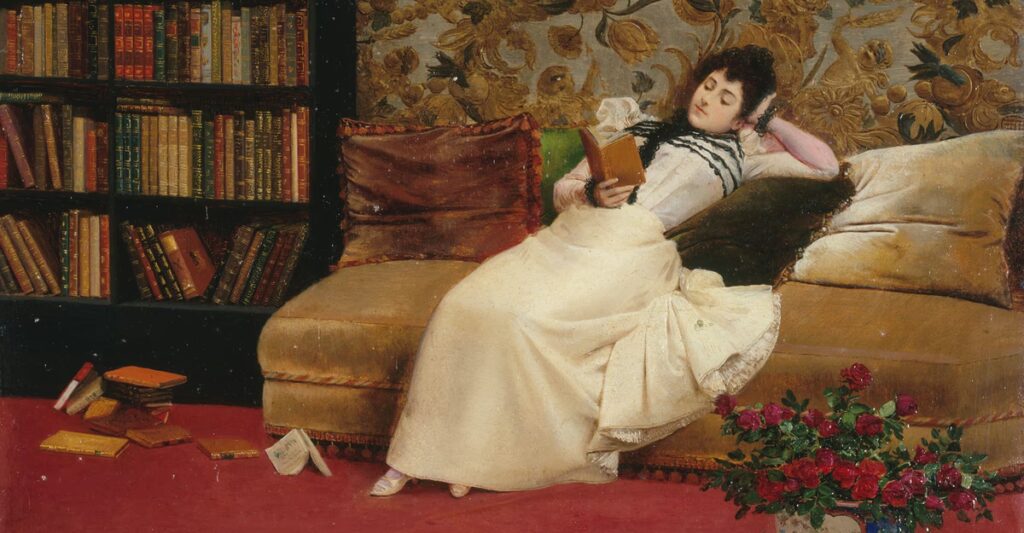
This is an edition of The Wonder Reader, a newsletter in which our editors recommend a set of stories to spark your curiosity and fill you with delight. Sign up here to get it every Saturday morning. In his 2022 essay on how to want less, Arthur C. Brooks recalls a line from Ralph Waldo []
Narrative Intelligence Brief
This article was published by DNyuz, a source frequently categorized with a lean right bias based in Armenia. Our narrative intelligence engine continuously monitors coverage from this outlet to track framing, bias, and rhetorical patterns. Our initial algorithmic scan of this specific piece did not flag high-confidence rhetorical techniques, suggesting a generally straightforward reporting style or neutral framing. By understanding the editorial perspective of DNyuz, readers can better contextualize the information presented and compare it across our broader media matrix to find the real narrative.
More from DNyuz
July 4, 2026
Where to Watch Nathan’s Hot Dog Eating Contest 2026: Start Time, Streaming Options and More
July 4, 2026
In Britain, July 4 Is Mostly Just a Saturday
July 4, 2026
Scientists Are Begging You to Take Cat Poop Parasites Much More Seriously
July 4, 2026
I spent 53 hours on Amtrak’s longest train. These were the 6 best and 4 worst parts of the journey.
July 4, 2026
‘GMA’ co-hosts divulge sweet detail from Taylor Swift and Travis Kelce’s vows after attending ‘intimate’ wedding
Analysis Methodology
This narrative analysis was generated using the CoDataLab Global Intelligence Engine. Our proprietary AI scans thousands of cross-border sources to identify sentiment patterns, framing techniques, and potential media bias. While AI provides the data-driven foundation, our objective is to empower readers with additional context beyond the standard headline.The content displayed above is a structured summary designed for rapid information processing. For the full original report, please visit the source outlet.More Coverage
Discussion
"cup"
Trump FURIOUS as USMNT Defies his ADMINISTRATION’S WISHES!!!

Thomas Tuchel warned he could face England sack with disastrous Mexico World Cup result
/https%3A%2F%2Fsportsmole-media-prod.s3.gra.io.cloud.ovh.net%2Fuploads%2F2026%2F07%2Fns-2-photo-frame-email-sportmole-6a4914ca54115296500623.jpg)
Man plunges to his death from 15-storey tower block as stunned neighbours ‘heard big scream and a crash of glass’